

A Guide to Replacing Disc Brake Calipers on Your 2004-2009 GMC T6500
Everything you need to know about choosing the right new aftermarket brake calipers for your medium-duty truck.
- The GMC T6500 uses a Hydro-Max hydraulic brake system, not air brakes; this is crucial for diagnosis and repair.
- Symptoms of a bad caliper include pulling, dragging brakes, fluid leaks, and uneven pad wear.
- Always replace calipers in pairs (both fronts or both rears) to ensure balanced braking.
- Verify casting numbers and axle ratings when ordering, as parts can be confused with the similar Isuzu FTR and GMC Topkick models.
Is Your T6500's Caliper Failing?
A failing brake caliper is a serious safety issue that needs immediate attention. Unlike brake pads that wear out predictably, calipers can fail suddenly. On a heavy truck like the T6500, the signs of a bad caliper can be very noticeable.
Key Failure Symptoms
- Truck Pulling to One Side: When you brake, a seized caliper can cause the truck to pull sharply to the left or right. This happens because the braking force is unevenly applied.
- Brakes Dragging: A caliper that doesn't release properly will cause the brake pads to drag on the rotor. You might notice a burning smell after driving or feel like the truck is struggling to accelerate. This can also cause the wheel to be excessively hot.
- Brake Fluid Leaks: Puddles of fluid near the wheel are a clear sign of a problem. Leaks can occur from the piston seal or the bleeder screw and will lead to a soft, spongy brake pedal and reduced stopping power.
- Uneven Brake Pad Wear: When you inspect your brake pads, if one pad is significantly more worn than the other on the same wheel, it's a strong indication the caliper slide pins are stuck or the piston is not moving freely.
- Loud Noises: Grinding or squealing noises can point to worn pads, but if they continue after a brake job, it could be a sign of a stuck caliper causing metal-on-metal contact.
Choosing the Right Aftermarket Caliper
For a vehicle like the 2004-2009 GMC T6500, finding new OEM calipers can be difficult and expensive. The most common and practical solution is a quality new or remanufactured aftermarket caliper. The brands available fall into different tiers of quality and price.
Aftermarket Brand Tiers
Premium Remanufactured (e.g., Cardone Ultra, BBB Industries):
- These calipers are rebuilt from original OEM cores. They are completely disassembled, cleaned, and inspected. Wearable parts like seals, boots, and bleeder screws are replaced with new components that meet or exceed OEM quality.
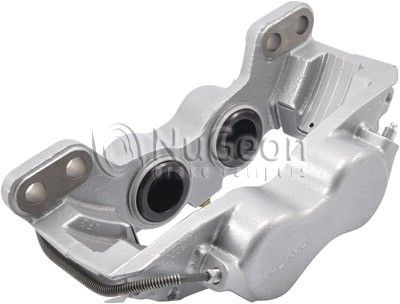
- Often, these premium lines feature a protective coating (sometimes silver or black) to resist rust and corrosion, which is a significant advantage over bare metal calipers.
- While generally reliable, quality can sometimes be inconsistent with remanufactured parts. However, premium lines from established brands tend to have better quality control.
Standard New/Remanufactured (e.g., Centric, Dynamic Friction, standard Cardone):
- Centric: Generally regarded as a solid aftermarket brand, offering both new and remanufactured calipers. Their parts are known to be a good balance of price and quality.
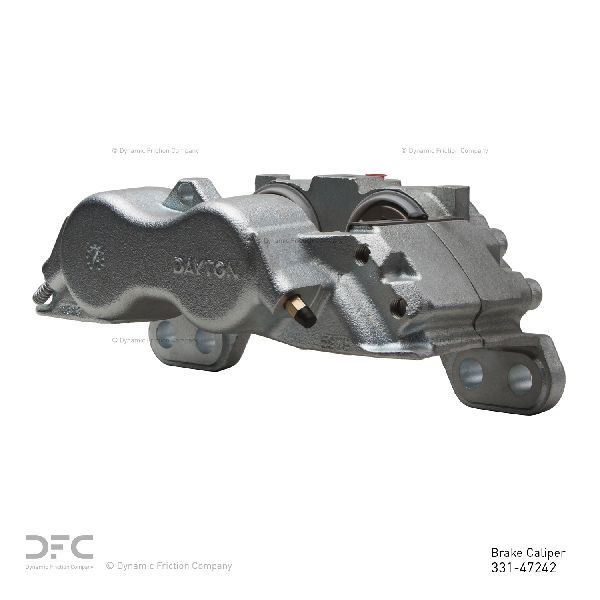
- Dynamic Friction: This brand is considered a legitimate competitor to other major aftermarket brands. They offer new calipers, and their coated rotors and pads have received positive feedback, suggesting a focus on quality.
- Cardone (Standard): Cardone's standard remanufactured calipers are a budget-friendly option. However, some users have reported issues with finish and long-term durability compared to their premium "Ultra" line.
A Note on Remanufactured Parts
Remanufactured calipers from reputable brands like BBB Industries and Cardone are a cost-effective and environmentally friendly option. They reuse the caliper housing, which is a durable component, and replace all the critical wear items. For a work truck, a premium remanufactured caliper with a protective coating offers a good blend of performance and value.
Common Ordering Mistakes
The GMC T6500 shares its platform with the Isuzu FTR and is similar to the GMC C-series Topkick. This can create confusion when ordering parts. Always verify the following:
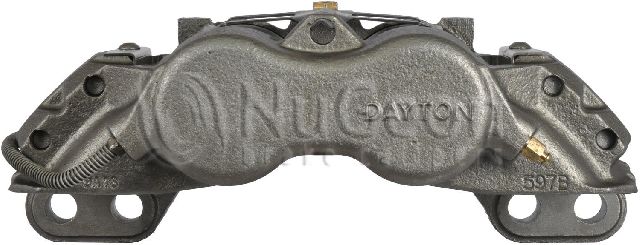
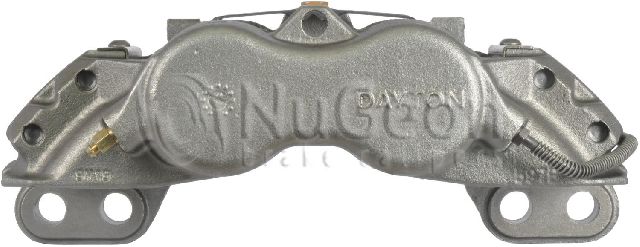
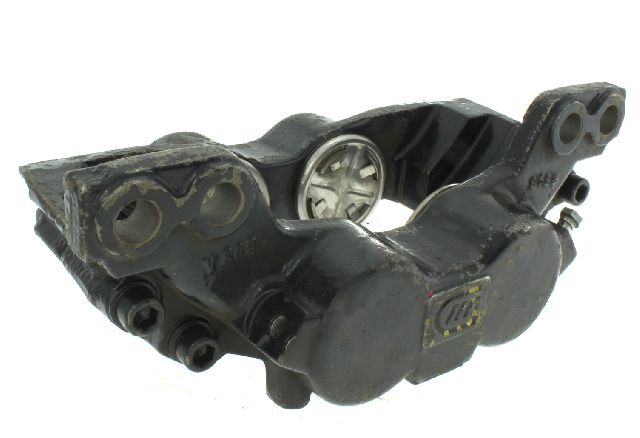
- Casting Numbers: Some calipers are distinguished by casting numbers (e.g., #595B) stamped directly on the part. Check your old caliper before ordering to ensure a match.
- Piston Material: Calipers can come with phenolic or steel pistons. Phenolic pistons are lighter and don't transfer heat as much, but steel pistons can be more durable in heavy-duty applications. Ensure the replacement matches the original design.
- Axle Weight Rating: Front and rear axles on these trucks have different weight ratings, which can affect which caliper is correct. Be sure to match the part to your truck's specific configuration.
Frequently Asked Questions (FAQ)
Should I replace calipers in pairs?
Yes, it is highly recommended to replace brake calipers in pairs (both front wheels or both rear wheels). This ensures even braking performance and prevents the truck from pulling to one side. Replacing only one can lead to unbalanced braking, which is dangerous on a heavy vehicle.
What is a "core charge"?
Most remanufactured calipers have a core charge. This is a deposit you pay when you buy the part. You get this deposit back when you return your old, worn-out caliper to the seller. This allows the manufacturer to rebuild the old part and keep costs down.
Do I need special tools to replace a T6500 caliper?
You will need standard heavy-duty mechanic's tools, including large sockets, a breaker bar, and a torque wrench. Because the T6500 has a hydraulic booster (Hydro-Max) system, you will also need tools for bleeding the brake system, such as a flare nut wrench for the brake lines and a brake bleeder kit. Due to the size of the components, this job is more difficult than on a passenger car.
Are there any recalls I should know about?
There are no specific recalls for the disc brake calipers on the 2004-2009 GMC T6500. However, there was a recall (GM #04010) for some 2004 Topkick models for a missing retainer on the brake pedal pushrod, which could cause a loss of brakes. It is always wise to check for any open recalls on your specific vehicle using its VIN.
Technical Specifications
OEM Part Numbers: 15904194 23276878 89059117 85569601
System Type: Hydraulic (Bosch Hydro-Max or similar) Piston Count: Typically 2 or 4 pistons Piston Material: Phenolic or Steel Common Axle Ratings: 10,000lb, 12,000lb, 19,000lb, 21,000lb
We Have This Part in Stock

The information in this article is provided for general reference and educational purposes only. Vehicle specifications, procedures, and part compatibility can vary by production date, trim level, and region. Always consult your vehicle's factory service manual and verify part numbers before purchasing or performing repairs. Safety-critical components such as airbags, seat belts, and braking systems should be installed by a qualified professional.
- GMC T6500: