

Ford F-150 (2004-2009) Fuel Pressure Sensor Diagnosis and Replacement
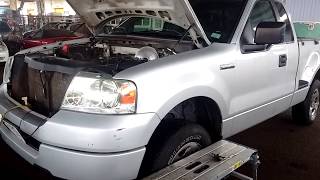
If your F-150 is stalling, hesitating, or running rough, the fuel pressure sensor could be the culprit—but it's not always the first part to replace.
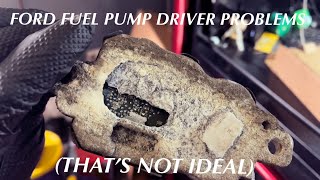
- Before replacing the sensor for code P0191, inspect the Fuel Pump Driver Module (FPDM) above the spare tire for corrosion; it is a very common point of failure.
- Symptoms include stalling, rough idle, hesitation, and a Check Engine Light.
- The sensor is located on the driver's side fuel rail at the back of the engine and can be difficult to access.
- Always relieve fuel system pressure before attempting replacement to avoid injury and fire risk.
Is Your F-150's Fuel Pressure Sensor Failing?


A bad fuel pressure sensor on a 2004-2009 Ford F-150 can cause a range of frustrating problems, from a simple Check Engine Light to the truck not starting at all. Because the sensor's job is to help the engine computer manage fuel delivery, a faulty one can make the engine run too rich (too much fuel) or too lean (not enough fuel).
A Very Common Misdiagnosis: The FPDM
Before you replace the fuel pressure sensor for a fuel-related issue, especially if you have a P0191 trouble code, you must check the Fuel Pump Driver Module (FPDM). On 2004-2008 F-150s, this module is mounted to a frame rail above the spare tire. Its aluminum body corrodes badly where it touches the steel frame, allowing moisture inside and causing it to fail. This failure often mimics a bad fuel pump or fuel pressure sensor, causing stalling, no-start conditions, and the P0191 code. Many owners replace the sensor or even the entire fuel pump, only to find the FPDM was the real problem. Always inspect the FPDM first.
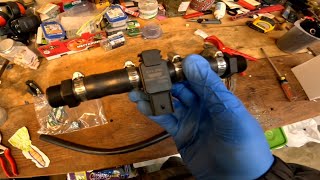
🎬 Watch how to inspect and replace a corroded FPDM.Symptoms of a Bad Fuel Pressure Sensor
When the sensor itself fails, you might experience:
- Check Engine Light: The most common sign, often with codes like P0191.
- Hard Starting or No Start: The engine may crank but struggle to start, or not start at all.
- Rough Idle and Stalling: The truck may idle poorly, shake, or stall unexpectedly, especially when coming to a stop.
- Poor Acceleration and Hesitation: You might feel a lack of power or a stumble when you press the gas pedal.
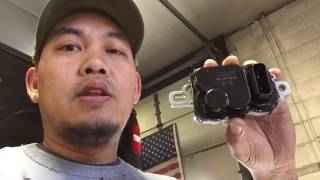
- Decreased Fuel Economy: If the sensor causes the engine to run rich, your gas mileage will suffer. 🎬 See a detailed breakdown of common fuel rail sensor symptoms.
Choosing the Right Aftermarket Fuel Pressure Sensor

For the 2004-2009 F-150, the fuel system is sensitive. While OEM is always a benchmark, quality aftermarket brands provide a reliable alternative, often at a better price. It is wise to avoid the cheapest, unbranded parts, as a faulty sensor can lead to poor performance and potential engine issues.
Brand Quality Tiers
- Bosch: As a major OEM supplier for many manufacturers, Bosch parts are widely considered a top-tier aftermarket option. They are known for precision and durability that often meets or exceeds original factory standards.
- Standard Motor Products (SMP): A well-respected name in the aftermarket, Standard Ignition parts are a solid mid-to-upper-tier choice. They offer a good balance of quality and value and are a common sight in professional repair shops.
- Holstein: Holstein provides direct-fit replacement parts that meet OEM specifications. They focus on quality materials and testing, making them a reliable and cost-effective option for this repair.
Estimated Cost Comparison
| Part Type | Price Range | Notes |
|---|---|---|
| New Aftermarket | $74.50 - $146.21 | Price varies by brand. Quality brands offer reliability and a warranty. |
| New OEM (Ford) | $100 - $231 | The original part, ensuring a perfect fit and function. |
| Shop Labor | $123 - $517 | Wide range depending on shop rates and if diagnosis is included. The job itself is quick for an experienced mechanic. |
Pro Tip: Relieve Fuel Pressure First
Before starting this job, you must relieve the pressure in the fuel system. You can do this by disabling the fuel pump (by removing its fuse or relay) and running the engine until it stalls. Failure to do so will result in gasoline spraying out under high pressure when you disconnect the sensor, which is a serious fire hazard.
Frequently Asked Questions (FAQ)

Where is the fuel pressure sensor located on a 2004-2009 F-150?
The fuel pressure sensor is mounted on the driver's side fuel rail, toward the back of the engine. On V8 models, it can be difficult to see and reach, tucked behind the intake manifold. On the 4.2L V6, it is also at the rear of the engine but may be slightly more accessible.
Is replacing the fuel pressure sensor a DIY job?
Yes, for those with some mechanical experience. The main challenges are safely relieving fuel pressure and accessing the sensor's tight location. It is held in by two small bolts (often 8mm). If you are not comfortable working with the fuel system, it is best to leave this to a professional.
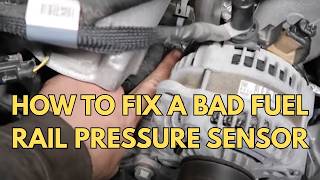
🎬 Follow this step-by-step guide to replacing the sensor yourself.What is the difference between the Fuel Rail Pressure Sensor and the Fuel Tank Pressure Sensor?
These are two different parts. The Fuel Rail Pressure Sensor (this part) measures high-pressure liquid fuel for the injectors. The Fuel Tank Pressure Sensor measures low-pressure fuel vapor in the gas tank as part of the evaporative emissions (EVAP) system and triggers different codes, like P0451 or P0453.
Will a new sensor fix my P0191 code?
Not always. The P0191 code means the fuel rail pressure is out of the expected range. While a bad sensor can cause this, the most common culprit on the 2004-2008 F-150 is a corroded Fuel Pump Driver Module (FPDM). Other potential causes include a weak fuel pump, clogged fuel filter, or wiring issues. Proper diagnosis is key.
Helpful Videos
Technical Specifications
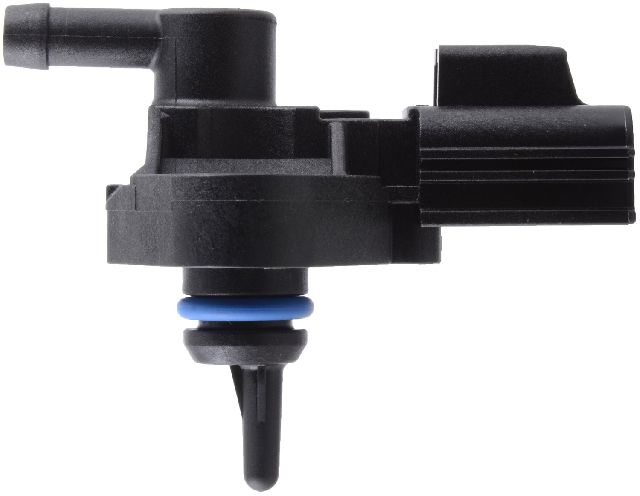
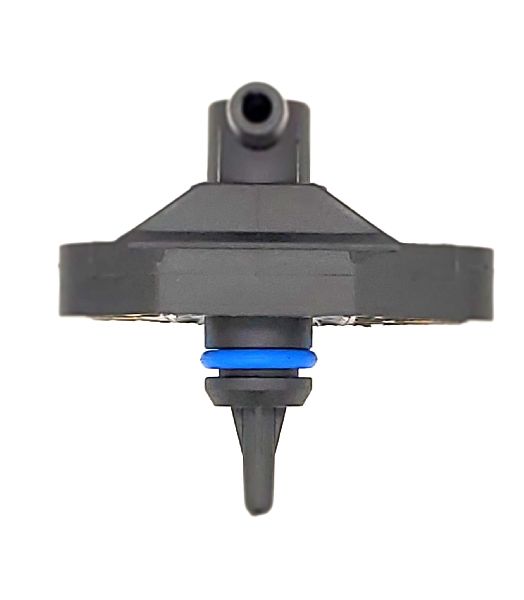
OEM Part Numbers: 3R3Z-9F972-AA 3R3Z-9F972-AB 3L3Z-9F972-AA
3-pin electrical connector, mounts to fuel rail with two bolts, includes vacuum port.
We Have This Part in Stock


The information in this article is provided for general reference and educational purposes only. Vehicle specifications, procedures, and part compatibility can vary by production date, trim level, and region. Always consult your vehicle's factory service manual and verify part numbers before purchasing or performing repairs. Safety-critical components such as airbags, seat belts, and braking systems should be installed by a qualified professional.
- Ford F-150: