

A Ford F-150 Owner's Guide to the 2004-2009 Engine VVT Solenoid
Tackle that rough idle and engine rattle by understanding your F-150's VVT solenoids.
- VVT solenoid issues are often caused by low or dirty engine oil; always check your oil and use the correct 5W-20 viscosity first.
- Symptoms include a rough idle, diesel-like engine rattle, and check engine light codes P0012 and P0022.
- Replacing both solenoids and their seals at the same time is the recommended practice.
- While aftermarket solenoids are available, OEM Motorcraft parts are widely recommended by mechanics for best results on the Triton engine.
Is Your F-150's VVT Solenoid Failing?

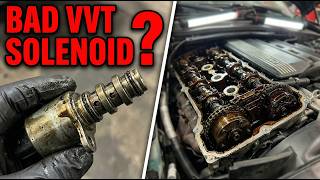
For owners of the 2004-2009 Ford F-150, particularly with the 5.4L 3V Triton engine, certain engine problems are all too common. A faulty Variable Valve Timing (VVT) solenoid is a frequent culprit behind a rough idle, poor acceleration, and a check engine light. These solenoids live inside the valve covers and are exposed to heat and engine oil. Over time, they can get clogged with sludge or fail electronically.
Oil is Everything for the Triton V8
The VVT system in your F-150 is entirely dependent on oil pressure. Many solenoid failures are actually caused by low oil pressure, dirty oil, or using the wrong oil viscosity. Before you replace any parts, make sure your oil level is correct and that you are using the Ford-specified 5W-20 oil. Regular oil changes are the best prevention for VVT system problems.
Common Symptoms of a Bad VVT Solenoid

- Rough, Shaky Idle: The engine may vibrate or shake when stopped, and in some cases, may stall.
- Engine Rattle or Knocking: A distinct ticking or rattling noise, often described as sounding like a diesel engine, may be heard at low RPMs after the engine has warmed up. This is a classic sign of VVT system issues.
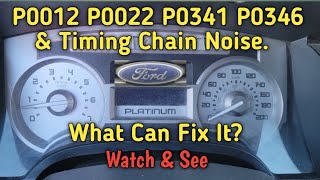
- Check Engine Light: The most common trouble codes associated with VVT solenoid failure are P0012 and P0022, which indicate that the camshaft timing is over-retarded on Bank 1 or Bank 2, respectively. 🎬 See how to diagnose timing codes and engine rattles here.
- Poor Acceleration and Power Loss: The truck may feel sluggish, hesitate when you press the gas, and lack its usual power.
- Decreased Fuel Economy: When the valve timing is off, the engine burns more fuel than necessary.
OEM vs. Aftermarket VVT Solenoids

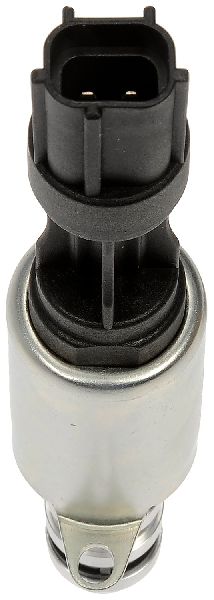
When it's time to replace your VVT solenoids, you have a choice between Original Equipment Manufacturer (OEM) parts from Ford (Motorcraft) and various aftermarket brands. For many electronic parts on the 5.4L Triton, mechanics and experienced owners strongly recommend sticking with OEM. However, given the simplicity of the VVT solenoid, some high-quality aftermarket options can be a reliable, cost-effective alternative.
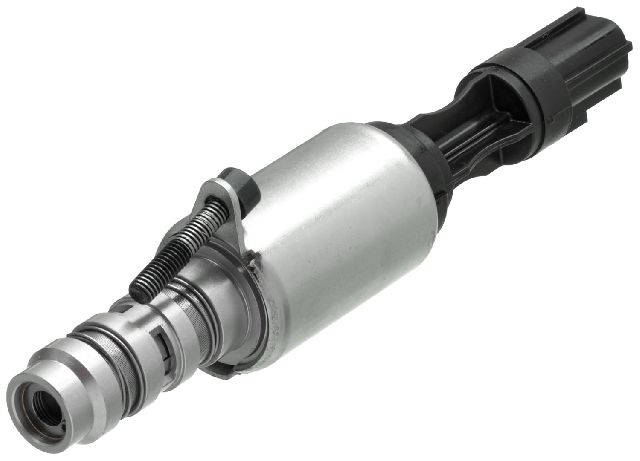
- OEM (Motorcraft): Generally considered the safest bet for reliability and compatibility. The latest revision of the Ford part (8L3Z-6M280-B) has updates to improve durability. Many owners who have tried aftermarket solenoids and had them fail quickly find success after switching to Motorcraft.
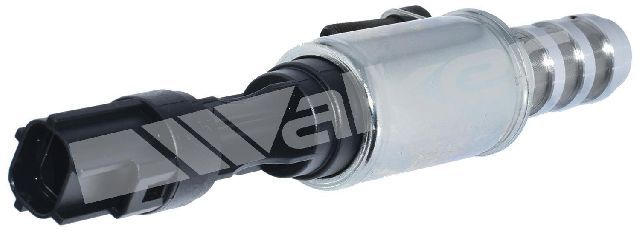
- Premium Aftermarket (e.g., Standard Motor Products, Walker Products): Brands like Standard Motor Products (SMP) have a reputation for producing quality electronic components, sometimes even supplying the original parts to automakers. They are often a solid choice if you want to save money without sacrificing much quality.
- Economy Aftermarket (e.g., Dorman, store brands): While brands like Dorman offer a lifetime warranty and are readily available, their electronic components have a mixed reputation among F-150 owners. Some have had success, while many others report premature failure, leading them to do the job twice. These are best considered if budget is the absolute top priority.
| Part Type | Estimated Cost (Per Solenoid) |
|---|---|
| New OEM (Motorcraft) | $70 - $95 |
| New Aftermarket | $40 - $196 |
| Shop Labor | $100 - $250 |
A Note on TSBs and Recalls
While there are no specific recalls for the VVT solenoids on the 2004-2009 F-150, Ford has issued numerous Technical Service Bulletins (TSBs) related to the cam phasers and timing components that are part of the same system. For example, TSB 06-19-8 addresses knocking noises and recommends replacing the cam phaser. This highlights that a bad solenoid can be a symptom of, or lead to, larger issues with the cam phasers and timing chains.
Frequently Asked Questions

Should I replace both VVT solenoids at the same time?
Yes. It is highly recommended to replace both solenoids at once. They have been exposed to the same conditions for the same amount of time, so if one has failed, the other is likely not far behind. The labor is nearly the same, so replacing them in pairs saves you time and money in the long run.
Will new VVT solenoids fix my engine's diesel-like rattle?
It might, but it's not a guarantee. The infamous "cam phaser knock" on the 5.4L Triton can be caused by worn cam phasers, broken timing chain guides, or low oil pressure. Faulty solenoids can cause this noise by failing to supply proper oil pressure to the phasers. Replacing the solenoids is a good, inexpensive first step in diagnosing the noise. If the noise persists, further timing system work is likely needed.
Is this a difficult DIY job?
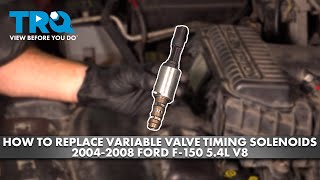
For the 2004-2009 F-150, replacing the VVT solenoids is a relatively straightforward job. The solenoids are located on the top of each valve cover. The passenger side is wide open, but the driver's side requires removing the power steering reservoir bracket to gain access. The most important part of the job is to thoroughly clean the area before removing the old solenoid to prevent dirt from falling into the engine.
🎬 Follow this step-by-step guide to replace your F-150 solenoids.What else should I replace at the same time?
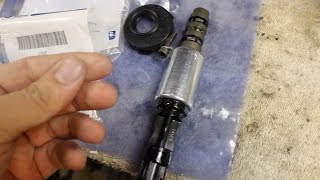
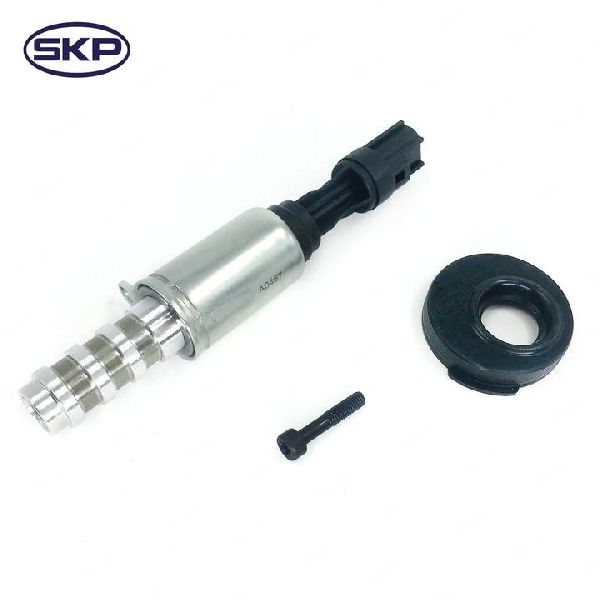
When you replace the VVT solenoids, you must also replace the VVT solenoid seals (Ford part # 3L3Z-6C535-AA). These seals become brittle and will likely break upon removal. It's also a good time to inspect the electrical connectors for any corrosion or damage.
Helpful Videos
Technical Specifications
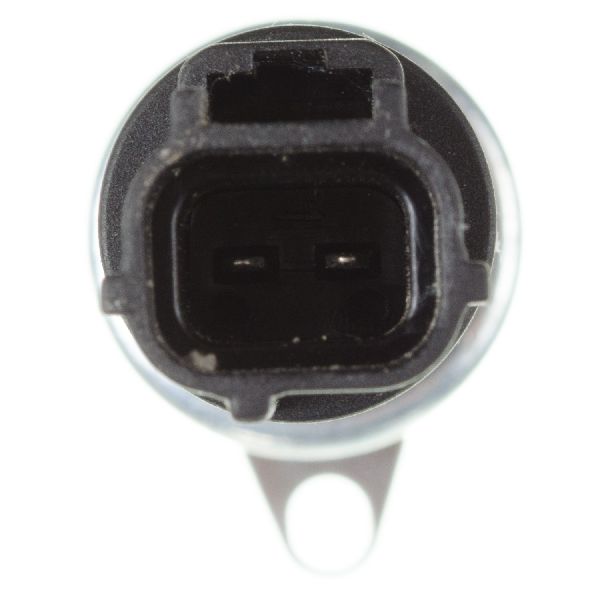
OEM Part Numbers: 8L3Z-6M280-B 8L3Z-6M280-A 3L3Z-6M280-EA
Fits 2004-2009 Ford F-150 with 5.4L 3V V8 engine and 2007-2010 F-150 with 4.6L 3V V8 engine. Two solenoids are required per engine.
We Have This Part in Stock


The information in this article is provided for general reference and educational purposes only. Vehicle specifications, procedures, and part compatibility can vary by production date, trim level, and region. Always consult your vehicle's factory service manual and verify part numbers before purchasing or performing repairs. Safety-critical components such as airbags, seat belts, and braking systems should be installed by a qualified professional.
- Ford F-150: