

Ford E-150 Econoline (2004-2008) Suspension Stabilizer Bar Bushing Kit Guide
Eliminate front-end clunks and restore handling stability in your 2004-2008 Ford E-150 Econoline van.
- The most common symptom of failure is a clunking noise from the front end when going over bumps.
- Before ordering, you must measure your van's stabilizer bar diameter to ensure you buy the correct size kit.
- Aftermarket brands like Dorman offer a reliable and cost-effective replacement that meets OEM standards.
- Replacing worn bushings will restore handling stability, which is a significant safety factor for a large van.
Is Your E-150 Making Noise? Understanding Stabilizer Bushing Failure
The stabilizer bar bushings on your 2004-2008 Ford E-150 are simple parts, but they work hard. Over time, the rubber material wears out, cracks, or gets compressed. This allows for excess movement between the stabilizer bar and the frame, leading to common and annoying suspension problems. When these bushings fail, you'll notice a significant change in how your van drives and sounds.
Symptoms of Worn Stabilizer Bar Bushings
If you're experiencing any of these issues, your stabilizer bar bushings are the likely cause:
- Clunking or Knocking Noises: This is the most common symptom. You'll hear a clunking, rattling, or knocking sound from the front end, especially when driving over bumps, uneven roads, or turning into a driveway.
- Poor Handling: The van may feel less stable, with excessive body roll or lean during turns. Some owners describe the steering as feeling "floaty" or disconnected from the road.
- Visible Wear: A visual inspection may show that the rubber bushings are cracked, deformed, or have pieces missing. You can also physically grab the sway bar (when the vehicle is parked) and try to move it; if there is significant play or it makes a clunking sound, the bushings are worn.
Known Issues & Recalls
There are no specific recalls or widespread Technical Service Bulletins (TSBs) from Ford or the NHTSA regarding the failure of suspension stabilizer bar bushings for the 2004-2008 E-150 Econoline. Failure is typically due to normal wear and tear over time.
Choosing the Right Aftermarket Bushing Kit
For this repair, you don't need to go to the dealer. Aftermarket parts offer excellent quality and value. The key is to buy the correct size for your specific van.
Measure Your Bar Diameter!
Ford E-150 vans can be equipped with different stabilizer bar diameters (e.g., 7/8 inch, 1 inch). Before ordering, use a caliper or an adjustable wrench and a ruler to measure the diameter of your van's stabilizer bar. Ordering the wrong size is the most common mistake and will prevent a proper fit.
Dorman Aftermarket Kits: Dorman is a widely available and reliable aftermarket brand. Their kits are designed to be a direct replacement for the original factory parts, matching the fit, form, and function. They are a cost-effective solution that meets or exceeds OEM specifications, making them a solid choice for a DIY repair or for your mechanic to install.
Estimated Costs
Replacing your stabilizer bar bushings is an affordable repair that makes a big difference in ride quality.
| Part Type | Estimated Cost |
|---|---|
| New Aftermarket Bushing Kit | $13.80 - $39.03 |
| New OEM Bushing Kit | $50 - $100 |
| Shop Labor | $100 - $300 |
Frequently Asked Questions
Can I drive with bad stabilizer bar bushings?
Yes, you can technically drive the vehicle, but it's not recommended for long. While not an immediate critical safety failure, worn bushings seriously compromise handling and stability, especially in emergency maneuvers. The excessive body roll can be dangerous on a top-heavy van. It's best to get them replaced as soon as you notice symptoms.
Is this a difficult DIY job?
For a home mechanic, replacing the frame-mounted bushings is a relatively easy job that can be done with basic hand tools in 1-2 hours. However, the E-150 also has bushings pressed into the I-beams which can be much more difficult to remove and may require special tools like an air chisel or a press. If you are only replacing the frame bushings, it is very DIY-feasible.
Do I need to replace the stabilizer bar itself?
Usually, no. The bar itself is a solid piece of steel and rarely fails unless the vehicle has been in a major collision or is severely rusted. You typically only need to replace the rubber bushings and sometimes the end links if they are also worn.
Should I use rubber or polyurethane bushings?
Aftermarket kits are available in both materials. Standard rubber (like the Dorman kits) provides a ride quality similar to the original factory feel. Polyurethane is a harder material that can offer slightly sharper handling but may transmit more road noise and vibration. For a daily-use work or passenger van, a quality rubber replacement is usually the best choice.
Technical Specifications
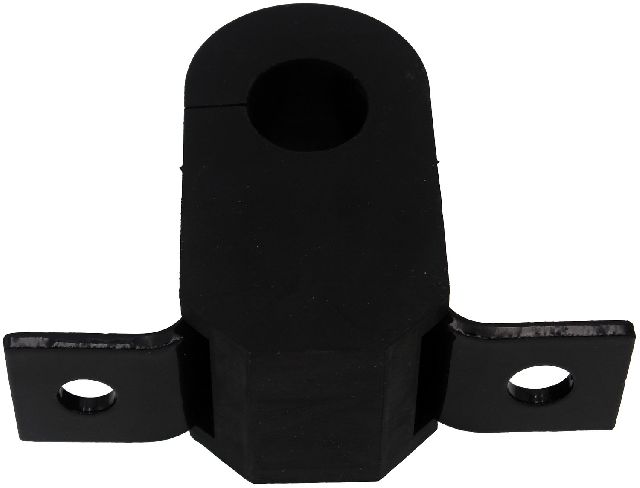
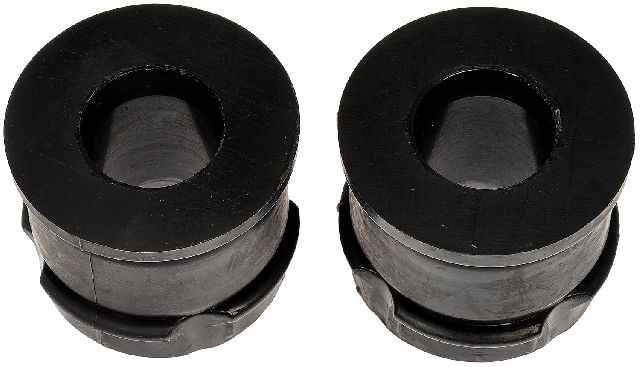
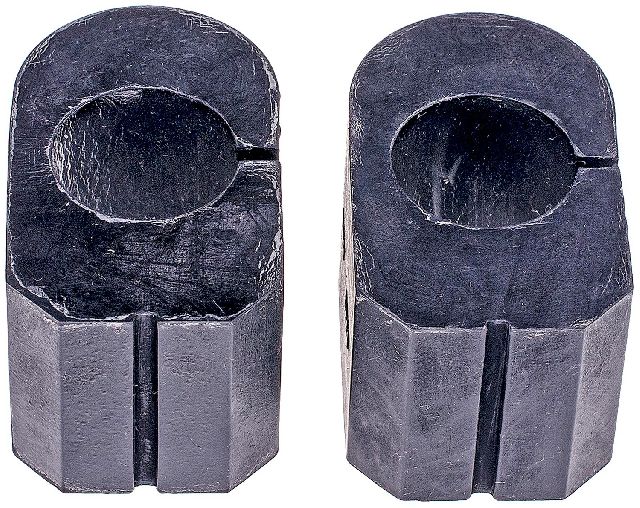
Kit typically includes two frame-mounted bushings and may include I-beam bushings. Material is typically rubber or synthetic rubber. Multiple diameters exist; measurement is required before purchase.
We Have This Part in Stock

The information in this article is provided for general reference and educational purposes only. Vehicle specifications, procedures, and part compatibility can vary by production date, trim level, and region. Always consult your vehicle's factory service manual and verify part numbers before purchasing or performing repairs. Safety-critical components such as airbags, seat belts, and braking systems should be installed by a qualified professional.
- Ford E-150 Econoline: