

Choosing the Right Aftermarket Disc Brake Pads for a 2004-2008 Blue Bird Vision
Ensure your school bus has the stopping power it needs by selecting the best aftermarket disc brake pads for the job.
- Prioritize severe-duty or heavy-duty brake pads from brands like PowerStop, Wagner, or Dynamic Friction for safety and durability.
- Brake pads must be replaced in pairs on the same axle to ensure even braking.
- Always inspect brake rotors for wear and damage when replacing pads; replace them if they are warped, cracked, or below minimum thickness.
- No recalls exist for the 2004-2008 model's brake pads, but a full system check is wise due to recalls on other brake components in different model years.
Signs of Failing Disc Brake Pads
Worn-out brake pads are not just an inconvenience; they are a critical safety hazard. Ignoring the signs can lead to longer stopping distances and damage to other brake components like rotors and calipers. Be aware of these common symptoms:
- Squealing or Grinding Noises: A high-pitched squeal when you apply the brakes is often the first sign. This sound comes from a small metal indicator built into the brake pad. If you hear a deeper, grinding noise, it means the pads are completely worn away, and metal is grinding against metal. This is a serious issue that requires immediate attention.
- Longer Stopping Distances: If you notice the bus takes longer to stop than it used to, the brake pads may be too thin to create enough friction.
- Vibration in the Pedal: A pulsating or vibrating feeling in the brake pedal can indicate that the rotors have been warped by excessive heat, often a side effect of worn-out pads.
- Pulling to One Side: If the bus pulls to the left or right when you brake, it could mean the pads on one side are more worn than the other, or there's an issue with a brake caliper.
Known Issues & Recalls
While there are no specific recalls or Technical Service Bulletins (TSBs) for the disc brake pads on the 2004-2008 Blue Bird Vision, other model years have had recalls for various brake system components, including brake lines, switches, and air brake systems. 🎬 Watch: Professional walkthrough of air disc brake pad replacement. This highlights the importance of a complete brake system inspection whenever you replace the pads. Ensure calipers, hoses, and rotors are all in good working order.
Choosing the Right Aftermarket Brake Pads
For a heavy vehicle like a Blue Bird Vision, not all brake pads are created equal. The friction material is the most important factor. For this application, you should focus on pads designed for severe or heavy-duty use.
- Semi-Metallic Pads: These pads are excellent at dissipating heat and provide strong braking performance, making them a great choice for heavy vehicles. They are durable but can sometimes be noisier and produce more dust than other types.
- Ceramic & Carbon-Fiber Ceramic Pads: These are engineered for quiet operation and low dust. High-quality ceramic pads, especially those blended with carbon fiber, can offer stopping power suitable for heavy trucks and towing applications.
Aftermarket Brand Tiers for Your Bus
Based on their reputation in the heavy-duty market, the available brands can be grouped into different tiers.
Tier 1: Severe-Duty & Performance Brands
These brands offer products specifically engineered for the high-stress environment of a school bus. They are the recommended choice for safety and durability.
- PowerStop: The Z36 Truck & Tow and Severe Duty lines are highly regarded for heavy vehicles. They often use a carbon-fiber ceramic formula that provides excellent stopping power while keeping noise and dust to a minimum.
- Wagner Brakes: The Wagner SD™ (Severe Duty) line is made for fleet and commercial vehicles. These semi-metallic pads are designed to handle high heat and provide long service life under demanding conditions.
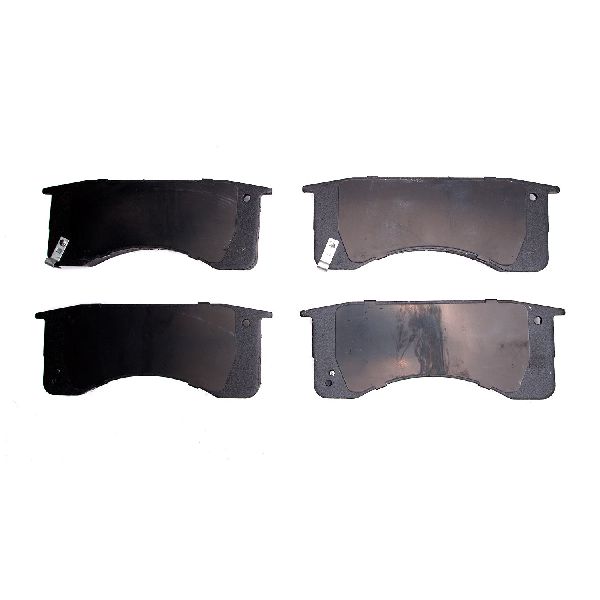
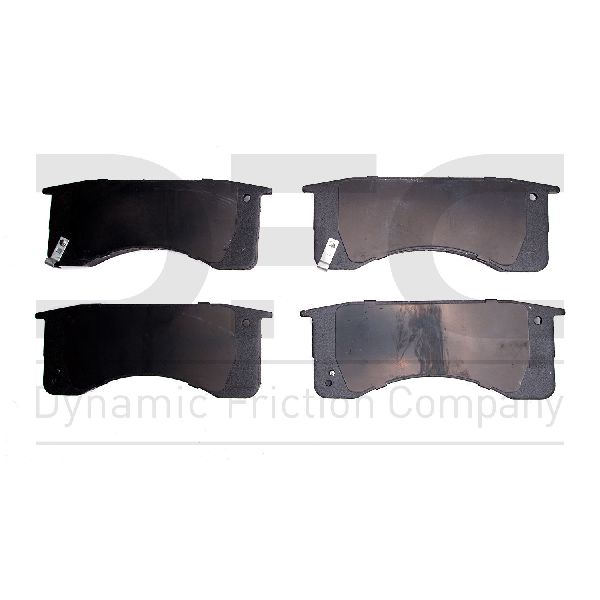
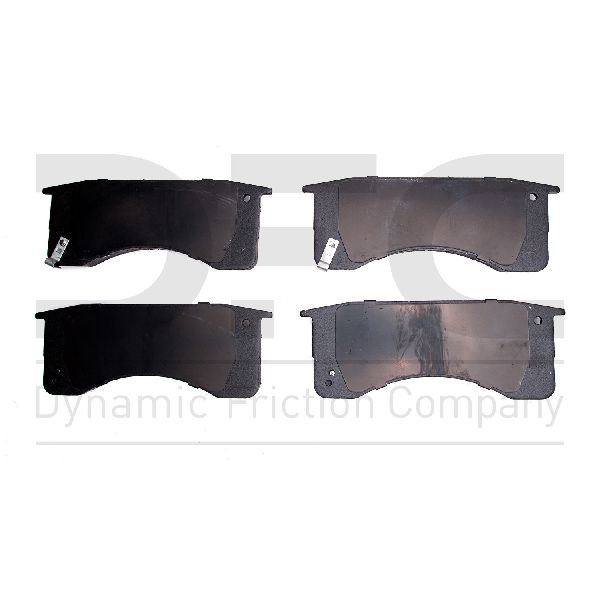
- Dynamic Friction (DFC): The Heavy-Duty line from DFC is a strong option, formulated with semi-metallic compounds to withstand extreme heat from frequent stopping and heavy loads. They are designed to provide strong, predictable braking.
Tier 2: Standard Replacement Brands
These brands provide a reliable, budget-friendly alternative to premium lines. They are suitable for standard use but may not offer the same longevity or performance under extreme conditions as severe-duty pads.
- Centric: Often considered a good value brand, Centric provides OE-style replacement parts. While they may not be specialized for severe duty, they are a functional choice for operators on a tight budget.
Pro Tip: Always Replace in Pairs
Brake pads should always be replaced as a set for both wheels on an axle (e.g., both front wheels or both rear wheels). This ensures even braking and prevents the vehicle from pulling to one side. Also, inspect the brake rotors during the replacement. If they are heavily grooved, warped, or below the minimum thickness specification, they must be replaced at the same time.
Frequently Asked Questions (FAQ)
How often should I replace my bus's brake pads?
There is no single answer; it depends entirely on driving conditions. A bus used in hilly, stop-and-go city traffic will wear out pads much faster than one used for long, rural routes. Regular inspections (at least twice a year or every oil change) are the best way to determine when replacement is needed. Look for the remaining thickness of the pad material.
Should I choose semi-metallic or ceramic pads for my bus?
For a heavy vehicle like a school bus, severe-duty semi-metallic pads are often the most robust choice due to their excellent heat management and durability. However, premium carbon-fiber ceramic pads from brands like PowerStop are also designed for truck and tow applications and offer the benefits of lower noise and dust. The best choice depends on your priority: maximum durability (semi-metallic) or quieter operation (performance ceramic).
Are more expensive brake pads always better?
Not always, but for a school bus, investing in a quality, severe-duty pad from a reputable brand is a wise decision. The higher price often reflects better materials, more rigorous testing, and engineering designed to handle the extreme heat and weight of a commercial vehicle, leading to better safety and longer life.
Do I need to replace my rotors when I replace my pads?
You should always inspect your rotors when replacing pads. If the rotors are smooth, have no deep grooves or cracks, and are above the minimum thickness stamped on the rotor itself, they can be reused. However, if they show signs of warping (vibration when braking), heat spots (bluish color), or are worn too thin, they must be replaced for the new pads to work correctly and safely.
Helpful Videos
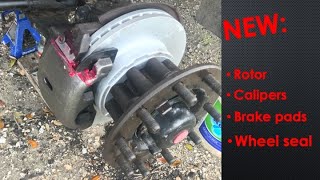
Technical Specifications
The front axle on the Blue Bird Vision with standard hydraulic brakes is a Hendrickson axle with Meritor brake components. The rear axle is a Meritor with Meritor brake components. Always verify the correct pads for your specific bus configuration.
We Have This Part in Stock
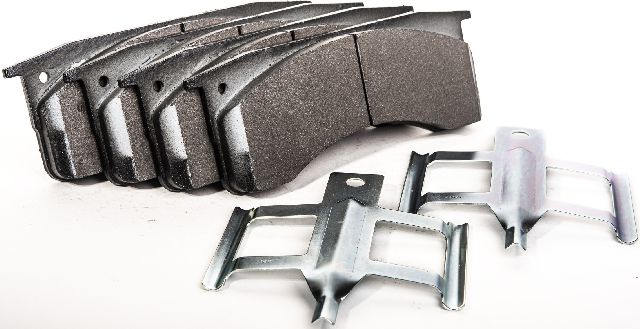
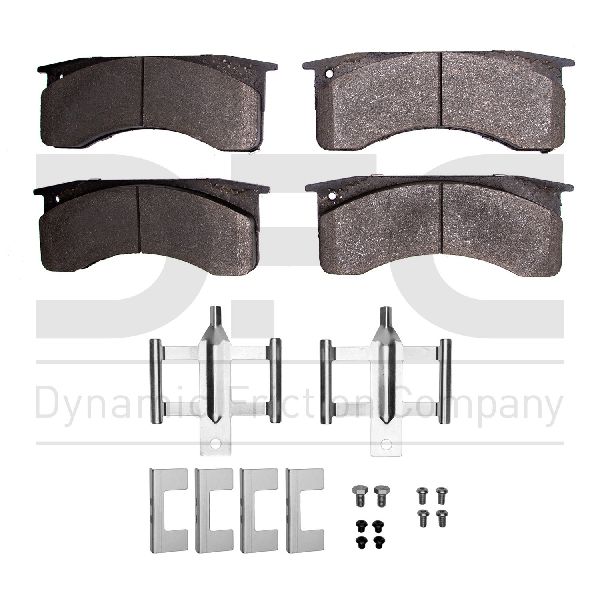


The information in this article is provided for general reference and educational purposes only. Vehicle specifications, procedures, and part compatibility can vary by production date, trim level, and region. Always consult your vehicle's factory service manual and verify part numbers before purchasing or performing repairs. Safety-critical components such as airbags, seat belts, and braking systems should be installed by a qualified professional.
- Blue Bird Vision School Bus: