

2004-2006 Chevrolet Avalanche 2500 Transmission Range Sensor Guide
Solving no-start problems and erratic gear indicators on your heavy-duty Avalanche.
- A no-start condition where the lights work is a classic symptom of a bad Transmission Range Sensor.
- If the truck starts in any gear other than Park or Neutral, it is unsafe to drive and needs immediate repair.
- Aftermarket brands like Dorman and Standard Ignition are reliable and cost-effective choices for this part.
- Proper alignment of the new sensor during installation is critical for correct operation.
Is Your Avalanche 2500 Transmission Range Sensor Failing?
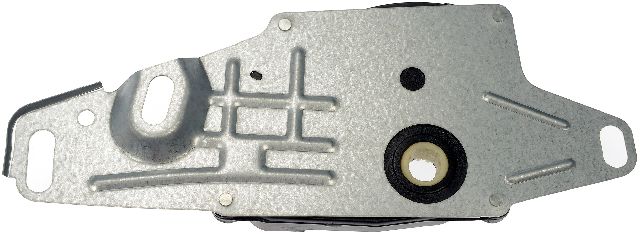
As these heavy-duty trucks age, the Transmission Range Sensor (TRS) becomes a common failure point. It sits on the side of the transmission, exposed to road grime, moisture, and heat. Over time, these elements can cause the sensor's internal electrical contacts to corrode and fail. When the TRS starts to go bad, it can create confusing symptoms that might make you think you have a bad starter or a major transmission failure, but it's often just a faulty sensor.
Symptoms of a Bad Transmission Range Sensor
A failing sensor can cause a variety of issues, ranging from annoying to a serious safety hazard. Here are the most common signs:
- No-Start or Intermittent Start: This is the most frequent symptom. You turn the key, the dashboard lights and radio come on, but the engine doesn't crank. You might find that wiggling the shifter or shifting to Neutral allows the truck to start.
- Incorrect Gear Display: The gear indicator on your dash (PRNDL) may be blank, show the wrong gear, or lag when you move the shifter.
- No Reverse Lights: The sensor also controls the backup lights. If they stop working, the sensor is a likely culprit.
- Check Engine Light: A malfunctioning sensor will often trigger a Check Engine Light and store a diagnostic trouble code, most commonly P0705.
- Engine Starts in Any Gear: This is a critical safety failure. If the sensor shorts out, it might allow the engine to start while in Drive or Reverse. This can cause the truck to move unexpectedly and should be repaired immediately.
Choosing the Right Aftermarket Part
For this specific part on the Avalanche 2500, you do not need to pay dealer prices for a reliable replacement. Quality aftermarket parts offer excellent performance and value. The two main brands you will find are Dorman and Standard Ignition (Standard Motor Products).
- Standard Ignition (SMP): Often considered a premium aftermarket brand, SMP has a strong reputation for producing high-quality electronic components that meet or exceed original specifications. They are a trusted choice for professional mechanics.
- Dorman: Dorman provides direct replacement parts that are engineered to match the fit and function of the original sensor. They are a widely available and affordable solution for DIY repairs. While online forums show mixed reviews for some Dorman parts, for a common failure item like this sensor, they provide a practical and cost-effective option.
Pro Tip: The most common cause of issues after replacing this sensor is incorrect alignment. The sensor must be installed in the correct rotational position to send the right signals. Ensure the vehicle is in Neutral and align the marks on the new sensor according to its instructions.
Cost of Replacing the Transmission Range Sensor
| Part/Service | Estimated Cost |
|---|---|
| New OEM (ACDelco) Part | $90 - $150 |
| New Aftermarket Part (Dorman, Standard) | $78 - $94 |
| Shop Labor | $100 - $150 |
| Total Professional Replacement (Aftermarket) | $178 - $244 |
Costs are estimates and may vary based on your location and specific repair shop rates.
Frequently Asked Questions (FAQ)
Is a Transmission Range Sensor the same as a Neutral Safety Switch?
Yes. On modern vehicles like the 2004-2006 Avalanche 2500, the terms are used for the same part. The component performs multiple functions beyond just the neutral safety feature, so "Transmission Range Sensor" is the more technically accurate name.
Are there any recalls for this part?
No, there are no specific recalls from the NHTSA or General Motors for the transmission range sensor on the 2004-2006 Chevrolet Avalanche 2500. Failures are related to normal wear and tear over the life of the vehicle.
Can I replace this sensor myself?
Yes, this is a DIY-friendly job for someone with basic mechanical skills and tools. The sensor is located on the outside of the transmission. The key to success is ensuring the new sensor is properly aligned during installation.
Why won't my truck start even after replacing the sensor?
The most common reason is incorrect alignment of the new sensor. If you are certain it is aligned correctly, check the electrical connector for corrosion or bent pins. You should also verify that your battery is fully charged and the starter relay and fuses are good before assuming the new part is defective.
Technical Specifications
OEM Part Numbers: 24229422
Fits 4L80E and 4L85E automatic transmissions. Mounts to the driver's side of the transmission case.
We Have This Part in Stock


The information in this article is provided for general reference and educational purposes only. Vehicle specifications, procedures, and part compatibility can vary by production date, trim level, and region. Always consult your vehicle's factory service manual and verify part numbers before purchasing or performing repairs. Safety-critical components such as airbags, seat belts, and braking systems should be installed by a qualified professional.
- Chevrolet Avalanche 2500: