

Honda Civic Engine Oil Pressure Switch: A Complete Guide (2003-2024)
Is your oil light flickering? Here’s what every 2003-2024 Honda Civic owner needs to know.
- Never ignore a flickering or solid oil pressure light; always check your oil level first.
- A faulty switch is a common, inexpensive fix, but you must rule out actual low oil pressure.
- Civics may have two switches; distinguish between the main engine switch and the VTEC switch.
- Quality aftermarket brands are a cost-effective and reliable alternative to expensive OEM parts for this component.
Is Your Oil Light On? Don't Ignore It.

The oil pressure switch is a small but vital part of your Civic's engine. When it works correctly, you'll barely know it's there. But when it fails, it can cause confusion and panic. A flickering or constant oil light is a serious warning. While a faulty switch is a common and inexpensive cause, the light could also be indicating a true and dangerous loss of oil pressure. Always stop the engine and check your oil level immediately.
Common Symptoms of a Failing Oil Pressure Switch

A bad oil pressure switch can mimic the signs of a major engine problem. Here’s how to tell if the switch itself might be the culprit:
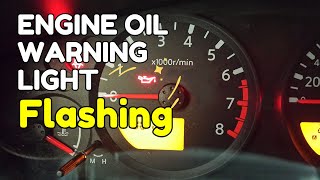
- Flickering Oil Light: The most common symptom is the oil pressure light flickering, especially at idle or when the engine is warm.
- Oil Light Stays On: The warning light may stay on continuously, even if the oil level is full.
- Oil Leaks: The switch itself can develop a leak. You may notice oil dripping from the sensor or see oil residue on the electrical connector.
- Check Engine Light: On some models, a failing switch can trigger the check engine light with codes like P0520, P0521, P0522, or P0523.
VTEC Oil Pressure Switch vs. Main Switch
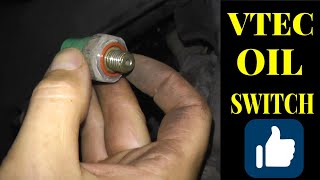
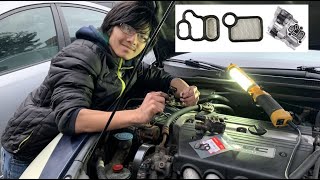
It's a common point of confusion for Honda owners. Your Civic may have two oil pressure switches. The main switch (often near the oil filter) protects the whole engine. The VTEC switch (on the VTEC solenoid) is only for the VTEC system. A bad VTEC switch will prevent VTEC from engaging and may cause codes like P2646 or P2647, but it won't typically turn on the main oil pressure warning light.
Choosing the Right Aftermarket Part

For a part like this, you don't necessarily need to pay dealer prices for an OEM switch. Many aftermarket brands offer reliable replacements that meet or exceed OEM specifications. Here’s a general breakdown of the brands available:
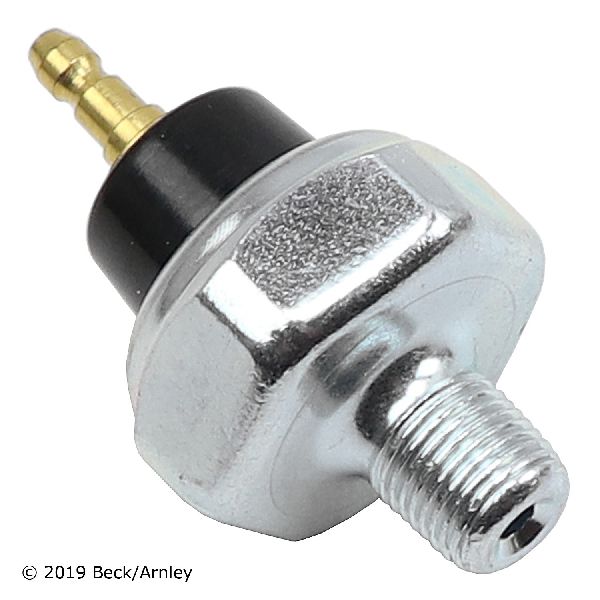
- Premium Aftermarket (Good): Brands like Beck Arnley, Walker Products, and Standard Ignition (SMP) often have a reputation for quality. Beck Arnley has historically re-packaged OEM parts, and Walker markets its parts as being built to OE specs. These are solid choices for a reliable, long-lasting repair.
- Standard Aftermarket (Better): Brands like Facet, Global Parts, Rostra Powertrain, and True Tech are typically more budget-friendly. For a simple switch on an older Civic, these can be a perfectly acceptable and cost-effective solution. The risk is low, as a failure usually just results in a warning light, not engine damage.
Pro Tip: When replacing the switch, check the size of the hex nut. The aftermarket part may require a different size socket or wrench than the original factory part.
Cost to Replace a Honda Civic Oil Pressure Switch
| Item | Estimated Cost |
|---|---|
| New Aftermarket Part | $10 - $130 |
| New OEM Part | $50 - $150 |
| Shop Labor | $50 - $120 |
| Total (DIY) | $10 - $130 |
| Total (Shop Repair) | $60 - $270 |
Known Issues: Honda TSB 13-021

Honda released a Technical Service Bulletin (TSB 13-021) for a failing rocker arm oil pressure switch (the VTEC switch) on certain models, including the 2002-2005 Civic Si and 2012-2013 Civic (non-Si/Hybrid). Symptoms include the check engine light and DTCs P2646, P2651, P2647, or P2652. The fix is to replace the switch. While this TSB is for the VTEC switch, it shows that these types of sensors can be a known failure point on Civics.
Frequently Asked Questions

Can I drive with the oil pressure light on?
No. You should safely pull over and shut off the engine as soon as possible. Driving with low oil pressure can destroy your engine in minutes. Even if it's just a faulty sensor, you can't be sure without checking. It is not worth the risk.
Is replacing the oil pressure switch a DIY job?
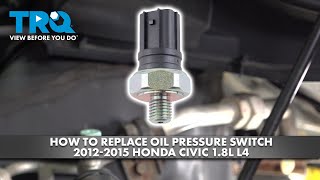
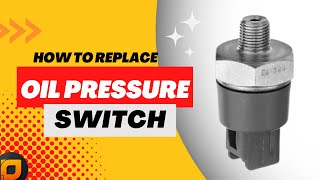
Yes, for most people with basic tools. The switch is usually located near the oil filter on the back of the engine block. Access is from underneath the car. You will likely need a deep socket (often 22mm or 24mm) and a ratchet. It's a simple unscrew-and-replace job.
Do I need to use sealant on the new switch?
Yes, it is highly recommended. Most new switches come with sealant already applied to the threads. If not, apply a small amount of liquid thread sealant or a couple of wraps of Teflon tape to the threads to prevent leaks. Be careful not to get any sealant in the sensor opening at the tip.
Is an OEM Honda switch better than aftermarket?
While OEM parts are always a safe bet, they are significantly more expensive. For a simple switch, a quality aftermarket part from a reputable brand like Walker or Beck Arnley is a reliable and cost-effective choice that many owners and shops trust.
Helpful Videos

Technical Specifications
OEM Part Numbers: 37250-PNE-G01 37250-R1A-A01 91319-PAA-A01
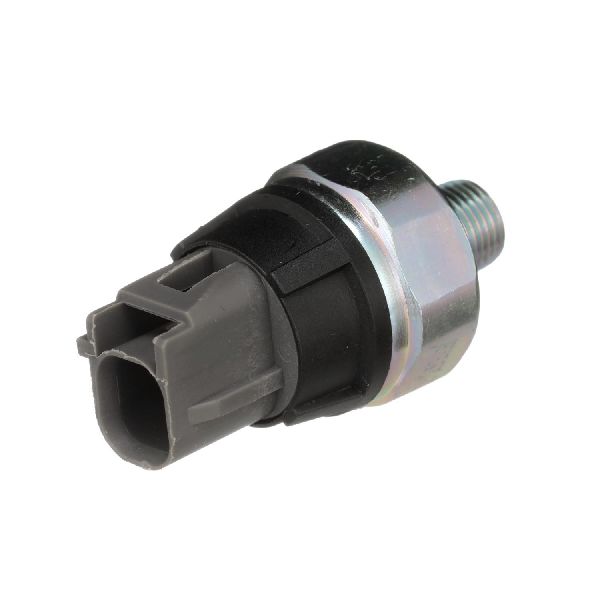
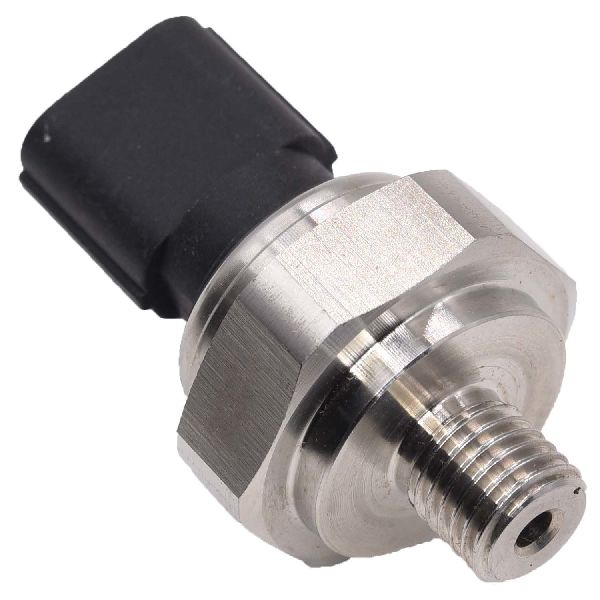
Typically a single-pin electrical connector. Thread size and hex size can vary. Uses a diaphragm to detect pressure and complete an electrical circuit.
We Have This Part in Stock


The information in this article is provided for general reference and educational purposes only. Vehicle specifications, procedures, and part compatibility can vary by production date, trim level, and region. Always consult your vehicle's factory service manual and verify part numbers before purchasing or performing repairs. Safety-critical components such as airbags, seat belts, and braking systems should be installed by a qualified professional.
- Honda Civic: