

Toyota RAV4 Knock Sensor Guide for 2003-2020 Models
Diagnosing and resolving check engine lights and performance issues related to the knock sensor in your RAV4.
- A bad knock sensor will trigger a Check Engine Light with codes P0325 or P0330.
- Replacement is a difficult, labor-intensive job on both 4-cylinder and V6 engines because the sensor is under the intake manifold.
- Always inspect the wiring harness for rodent damage before replacing the sensor, as this is a common point of failure.
- Due to the high labor cost, using a reliable OEM or OEM-supplier (Denso) part is highly recommended to avoid repeat repairs.
Understanding Knock Sensor Failure in Your RAV4

A failing knock sensor is a common issue that will almost always trigger the Check Engine Light on your dashboard. When the sensor stops working correctly, the engine's computer can no longer detect harmful detonation. To protect the engine, the computer will switch to a 'safe mode,' which significantly reduces engine power and hurts fuel economy. While the sensor itself can fail, the problem is often caused by something else, like damage to the wiring harness from rodents or corrosion on the connector.
Engine Differences Matter for Replacement
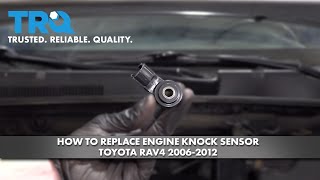
The difficulty of this repair depends entirely on which engine your RAV4 has. On 4-cylinder models (like the 2.4L 2AZ-FE and 2.5L 2AR-FE), the sensor is on the back of the engine block, under the intake manifold. On V6 models (3.5L 2GR-FE), there are two sensors located deep in the 'V' of the engine, underneath the entire lower intake manifold assembly. This makes the V6 job significantly more labor-intensive and expensive.
Symptoms of a Bad Knock Sensor

The signs of a faulty knock sensor are directly tied to the engine's computer trying to protect itself.
- Check Engine Light: This is the most common sign. The code is usually P0325 for a 4-cylinder or V6, and P0330 may also appear for the second sensor on a V6.
- Poor Acceleration: The vehicle will feel sluggish and hesitant because the computer has retarded the ignition timing.
- Reduced Fuel Economy: With the engine running in a less efficient 'safe' mode, you will notice a drop in your gas mileage.
- Engine Pinging Noise: In some cases, you might hear a metallic pinging or knocking sound, especially when accelerating or going uphill. This means the failing sensor isn't detecting detonation at all.
Pro Tip: Check the Wires First!
Especially on V6 models, rodents are known to build nests in the engine valley and chew through the knock sensor wiring harness. Before buying a new sensor, use a flashlight and mirror to inspect the harness for any visible damage. A damaged wire harness is a very common cause for knock sensor codes and replacing it might fix your problem without needing a new sensor.
Choosing the Right Aftermarket Part

When it comes to sensors that are very difficult and expensive to access, the quality of the replacement part is critical. While a standard aftermarket knock sensor is much more affordable than an OEM part from a Toyota dealership, you must consider the high labor cost of the installation. If a low-cost aftermarket sensor fails prematurely or isn't calibrated correctly for your RAV4's computer, you will have to pay for the same difficult repair all over again. For this specific job, many mechanics and experienced owners recommend using an OEM part or a sensor from an OEM supplier like Denso to ensure reliability. If the labor is simple, an aftermarket part is a great value. But for a job this involved, paying more for a quality part provides peace of mind and protects you from repeat labor costs.
Cost of Replacing a Toyota RAV4 Knock Sensor
| Part Type | Estimated Cost |
|---|---|
| New OEM Sensor (Dealer) | $120 - $220 |
| New Aftermarket Sensor | $31.96 |
| Shop Labor | $300 - $700+ |
Note: Labor costs can be significantly higher for V6 models due to the increased complexity of the job.
Frequently Asked Questions

Where is the knock sensor located on a 2003-2020 Toyota RAV4?
The location depends on your engine. For 4-cylinder models, it's on the engine block facing the firewall, underneath the intake manifold. For V6 models, there are two sensors located under the lower intake manifold in the valley between the cylinder heads.
Can I drive my RAV4 with a bad knock sensor?
Yes, but it is not recommended for an extended period. The engine's computer will put the vehicle into a 'safe' or 'limp' mode with reduced power to prevent damage. You will experience poor acceleration and bad fuel economy until it is repaired.
What does code P0325 mean on my Toyota RAV4?
P0325 stands for "Knock Sensor 1 Circuit Malfunction (Bank 1)". This means the engine's computer has detected a problem with the signal from the primary knock sensor. On V6 engines, you might also see P0330, which points to the second knock sensor on Bank 2.
Is it worth buying an OEM knock sensor for my RAV4?
For this repair, yes. Because replacing the sensor requires removing the intake manifold—a labor-intensive and costly job—using a high-quality OEM or OEM-supplier (like Denso) part is strongly recommended. This minimizes the risk of the part failing and having to pay for the same expensive labor a second time.
Could something else cause a knock sensor code?
Yes. A damaged wiring harness is a very common cause, often from rodents chewing the wires. A poor electrical connection can also be the culprit. Additionally, a Technical Service Bulletin (TSB) exists for some models where an ECM software glitch can falsely trigger knock sensor codes; in this case, a dealer software update is the fix, not a new sensor.
Helpful Videos
Technical Specifications
OEM Part Numbers: 89615-20090 89615-06010 89615-30080 89615-02020
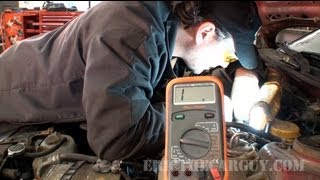
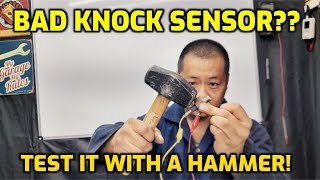
The knock sensor is a piezoelectric sensor that generates an AC voltage signal in response to engine vibrations. It typically has a 2-pin oval connector. The correct torque specification during installation is critical, usually around 15-20 ft-lbs, as over-tightening can damage the sensor.

The information in this article is provided for general reference and educational purposes only. Vehicle specifications, procedures, and part compatibility can vary by production date, trim level, and region. Always consult your vehicle's factory service manual and verify part numbers before purchasing or performing repairs. Safety-critical components such as airbags, seat belts, and braking systems should be installed by a qualified professional.
- Toyota RAV4: