

A Guide to the Serpentine Belt on Your 2003-2016 Honda Pilot
Everything you need to know about choosing the right replacement serpentine belt for your Pilot's V6 engine.
- A squealing noise is the most common sign of a failing serpentine belt, but the noise can also be caused by a bad tensioner.
- Premium aftermarket brands like Gates, Continental, and Bando offer OEM-level quality for less money.
- If your Pilot has high mileage (100k+), it is wise to replace the belt tensioner and idler pulleys along with the belt.
- Do not confuse the serpentine belt with the timing belt; they are separate parts with very different functions and replacement procedures.
Is Your Honda Pilot's Serpentine Belt Failing?

A serpentine belt is a wear item, meaning it needs to be replaced as it gets old. For the 2003-2016 Honda Pilot, you should inspect the belt regularly. Here are the common signs that your belt is worn out or failing:
- Squealing or Chirping Noises: This is the most common symptom. You might hear a high-pitched squeal or a chirping sound from the engine bay, especially on cold starts or when turning the steering wheel. This noise means the belt is slipping or has become hardened and glazed with age.
- Visible Damage: Look at the belt. If you see cracks, splits, fraying, or chunks of rubber missing from the ribbed grooves, it's time for a replacement.
- System Warnings: If the belt breaks, you will lose power instantly. The battery warning light will come on because the alternator has stopped charging. You will also lose power steering, making the wheel very difficult to turn. The engine will begin to overheat quickly because the water pump is no longer circulating coolant.
Noise Isn't Always the Belt
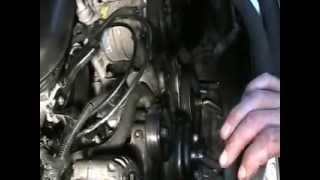
A chirping or squealing noise can also be caused by a failing belt tensioner or a bad bearing in one of the pulleys (idler, alternator, etc.). If a new belt doesn't solve the noise, the tensioner is the next most likely culprit. 🎬 Watch: How to diagnose if your belt or pulley is squealing. On some earlier Pilots (through 2008), a chirping noise could be related to a misaligned idler pulley, for which Honda issued a Technical Service Bulletin (TSB 08-045).
Choosing the Right Aftermarket Serpentine Belt

For a part like a serpentine belt, a high-quality aftermarket brand is often just as good as the OEM part from the dealer, and sometimes they are even made by the same company. The original belt on your Pilot was likely made by Bando. Here is a breakdown of common aftermarket brands.
| Brand Tier | Brands | Quality & Reputation |
|---|---|---|
| Premium Aftermarket | Gates, Continental, Bando | These brands are widely considered OEM-quality or better. They are trusted by professional mechanics and enthusiasts for their durability and quiet operation. Gates and Continental are consistently top-rated in forums. |
| Standard Aftermarket | Dayco, INA | Dayco is a well-known brand that offers good performance and is readily available. While most users have good experiences, some have noted they may not last as long as premium brands. INA is a respected OEM supplier, especially for tensioners and pulleys. |
| Economy | Skyward, Store Brands | These belts meet basic requirements and offer a low initial cost. They may not have the same longevity or advanced rubber compounds as premium brands, potentially leading to earlier wear or noise. Little public feedback is available for the Skyward brand. |
Pro Tip: Replace the Tensioner and Idler
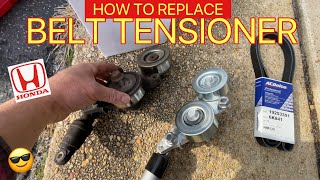
If your Pilot has over 100,000 miles or if you are replacing the belt to solve a noise problem, it is highly recommended to replace the belt tensioner and any idler pulleys at the same time. The spring in the tensioner weakens over time, leading to improper belt tension and noise. A seized pulley can shred a new belt instantly.
🎬 See this walkthrough on replacing the belt and tensioner together.How Much Does a Serpentine Belt Replacement Cost for a Honda Pilot?
The cost is low if you do it yourself, as the part is inexpensive. Paying a shop is also affordable, as it's a quick job for a professional.
| Item | Estimated Cost |
|---|---|
| New Aftermarket Belt | $13.74 - $57.06 |
| Shop Labor | $75 - $150 |
| Total Professional Replacement | $90 - $210 |
Frequently Asked Questions

Is a serpentine belt the same as a timing belt?
No, they are very different. The serpentine belt runs accessories on the outside of the engine and is visible. The timing belt is located inside the engine, behind protective covers. The timing belt keeps the engine's internal parts synchronized. Your 2003-2016 Pilot has both. A timing belt failure will cause severe engine damage, while a serpentine belt failure will not, provided you stop the engine immediately to prevent overheating.
How often should the serpentine belt be replaced?
There is no universal interval, but a general guideline is to inspect it at every oil change and plan for replacement every 60,000 to 100,000 miles. However, you should replace it immediately if it shows any signs of cracking, fraying, or glazing.
Is this a difficult DIY job?
For most mechanically inclined individuals, this is a straightforward job. The main steps are releasing the tension on the automatic belt tensioner with a long wrench or breaker bar, slipping the old belt off, and routing the new one correctly. 🎬 Watch: Step-by-step serpentine belt replacement for 2009-2015 models. Having a diagram of the belt routing is essential. The job typically takes 30-60 minutes.
Are there any generation differences I should know about?
Yes. For example, some early 2003 models have a separate belt for the power steering pump in addition to the main serpentine belt. Later models (2009-2015) may use a different size wrench (19mm) on the tensioner compared to earlier models (14mm). Always ensure you have the correct parts and tools for your specific model year.
Helpful Videos
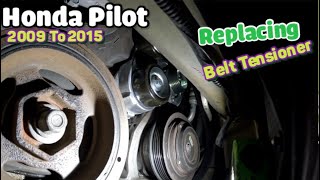
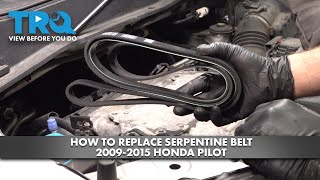
Technical Specifications
OEM Part Numbers: 31170-PGK-A02
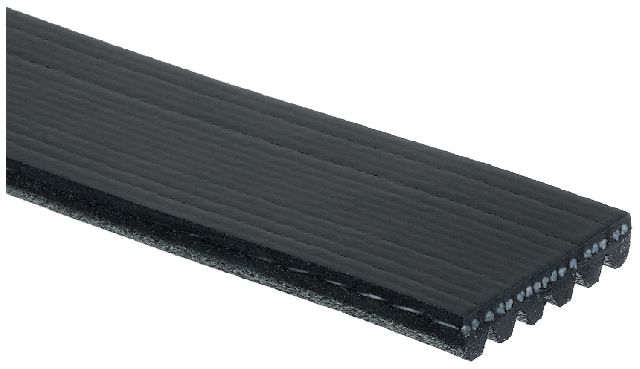
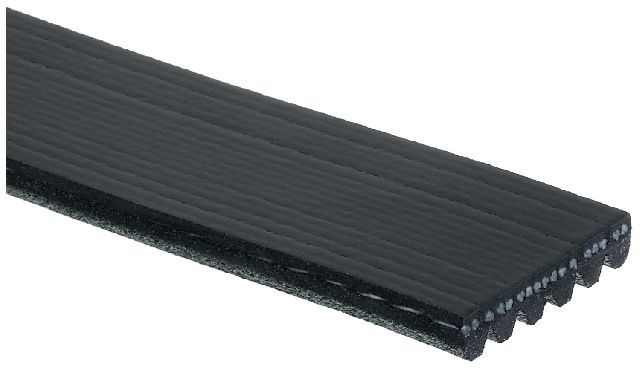
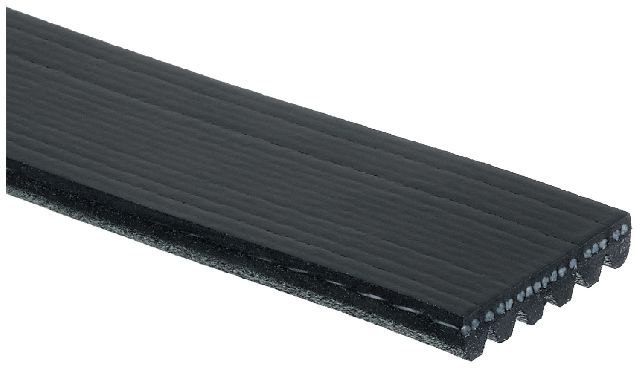
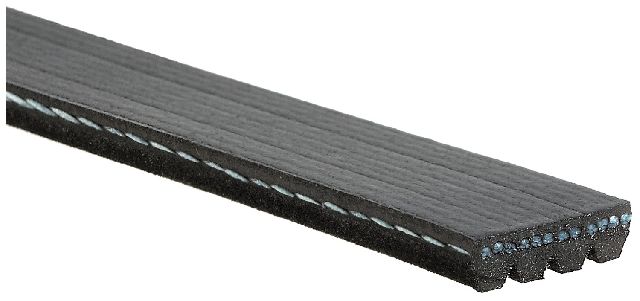
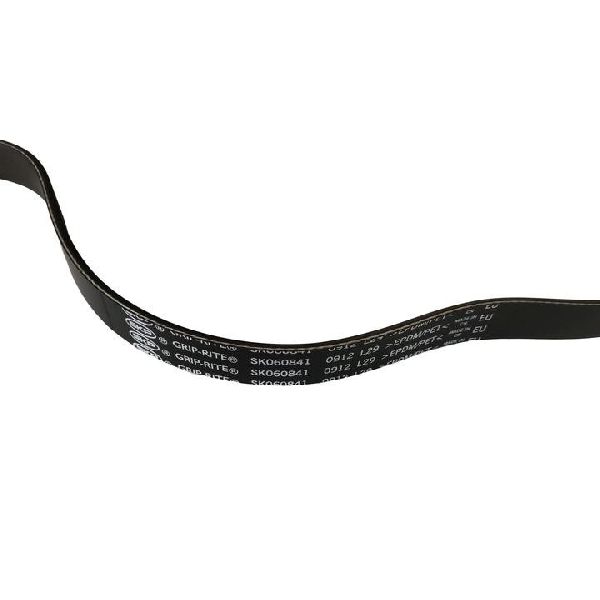
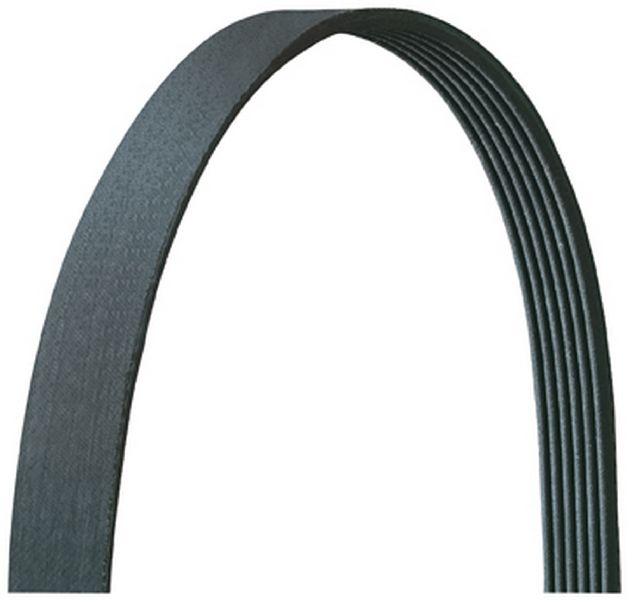
The 2003-2016 Honda Pilot uses a V-ribbed serpentine belt. The exact length and number of ribs can vary slightly by specific year and trim, so it is crucial to verify fitment. The tensioner is automatic and typically requires a 14mm or 19mm wrench to release.
We Have This Part in Stock

The information in this article is provided for general reference and educational purposes only. Vehicle specifications, procedures, and part compatibility can vary by production date, trim level, and region. Always consult your vehicle's factory service manual and verify part numbers before purchasing or performing repairs. Safety-critical components such as airbags, seat belts, and braking systems should be installed by a qualified professional.
- Honda Pilot: