

Toyota Matrix Oxygen Sensor: A Guide for 2003-2014 Models
Fix your Check Engine Light and poor gas mileage by understanding and choosing the right oxygen sensor for your Matrix.
- The most common symptom of a bad oxygen sensor is a Check Engine Light, but you'll also notice worse gas mileage and a rougher-running engine.
- Denso is the original equipment manufacturer (OEM) for Toyota, making it the most recommended aftermarket brand for a perfect fit and function.
- You must correctly identify if you need an upstream (Bank 1, Sensor 1) or downstream (Bank 1, Sensor 2) sensor, as they are not interchangeable.
- Replacing an O2 sensor is a manageable DIY task, but the sensor can be difficult to remove without a special O2 sensor socket and penetrating oil.
Symptoms of a Failing Oxygen Sensor

When an oxygen sensor starts to fail, your car will give you some clear signs. Ignoring them can lead to more expensive problems, like a damaged catalytic converter. The most obvious symptom is the Check Engine Light illuminating on your dashboard. Other common signs include:
- Poor Fuel Economy: One of the first things you might notice is that you're filling up your gas tank more often. A bad sensor can cause the engine to use more fuel than necessary.
- Rough Idle or Engine Misfires: Your Matrix might idle unevenly or feel like it's stuttering. This happens because the engine computer is getting incorrect data and can't create the right air-fuel balance.
- Sluggish Acceleration: If your car feels less responsive or hesitates when you press the gas, a faulty O2 sensor could be the culprit.
- Failed Emissions Test: An O2 sensor is essential for controlling emissions. If it's not working correctly, your vehicle will likely fail an emissions inspection.
- Rotten Egg Smell: A strong smell of sulfur or gasoline from the exhaust can indicate a bad sensor has led to an overly rich fuel mixture.
Check Your Codes
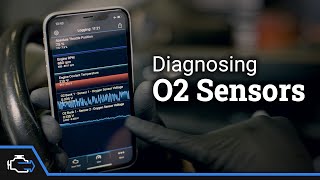
A check engine light can mean many things. Use an OBD-II scanner to read 🎬 Watch: How to diagnose and test your O2 sensors the specific trouble codes. Codes like P0133, P0136, P0138, P0141, and P2195 are commonly associated with oxygen sensor issues in the Toyota Matrix. However, a P0420 code, while sometimes related to a sensor, often points to a failing catalytic converter, which the new, functioning sensor is now able to diagnose correctly.
Choosing the Right Aftermarket Oxygen Sensor

When replacing an O2 sensor, you have a choice between OEM and aftermarket parts. For the Toyota Matrix, the Original Equipment Manufacturer (OEM) is typically Denso. This means you can get the exact same quality as a dealership part by buying the Denso-branded sensor from an aftermarket supplier, often at a much lower cost.
Brand Quality Tiers
Not all aftermarket brands are created equal. Here’s a breakdown of brands available for your Matrix:
- OEM Equivalent (Best Choice): Denso and NGK are the top recommendations. Denso is the original supplier for Toyota, so fit and performance are guaranteed to be identical to the factory part. Many Toyota owners and mechanics strongly recommend sticking with Denso or NGK to avoid compatibility issues.
- Quality Aftermarket: Bosch is a well-known brand that invented the oxygen sensor. While they are a reputable option, some Toyota purists report that their vehicles run best on the original Denso or NGK parts. Delphi is another established brand offering reliable performance.
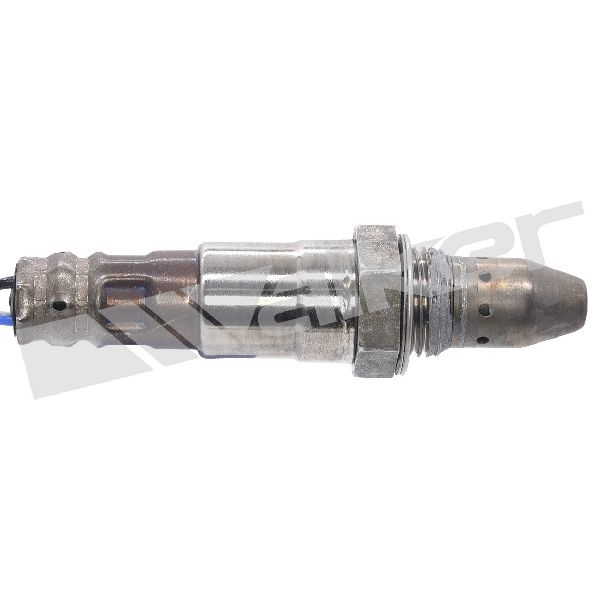
- Economy Brands: Brands like DriveWire, Spectra, and Walker Products offer a budget-friendly solution. These are a viable option if cost is your primary concern, but they may not have the same longevity or precise calibration as the OEM-equivalent brands.
Upstream vs. Downstream is Critical
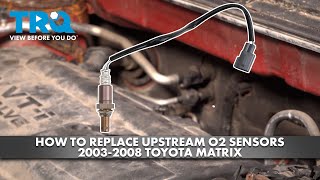
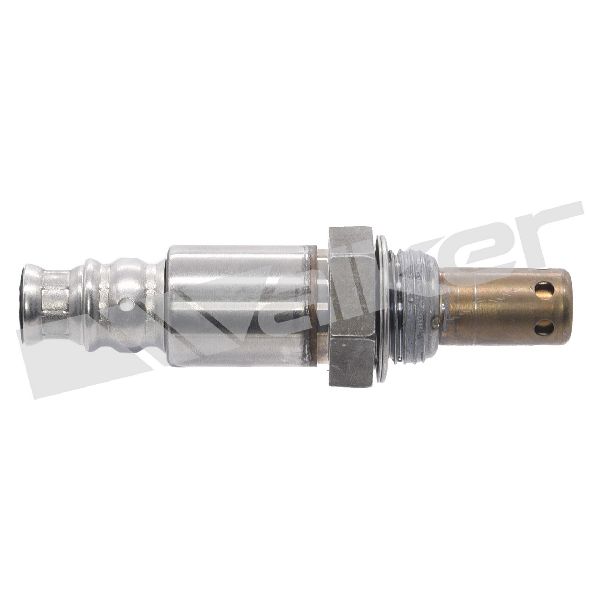
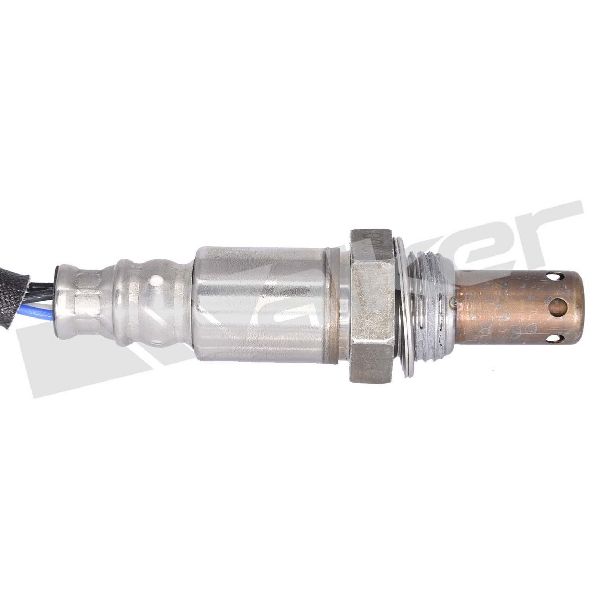
Your Matrix has an "upstream" sensor (also called Bank 1 Sensor 1 or an air/fuel ratio sensor) and a "downstream" sensor (Bank 1 Sensor 2). These parts are not interchangeable. The upstream sensor fine-tunes the air-fuel mixture, 🎬 See this 2003-2008 Matrix upstream sensor replacement walkthrough while the downstream sensor monitors the catalytic converter's efficiency. Always verify the exact location of the failed sensor before ordering a replacement.
Cost of Replacing a Toyota Matrix Oxygen Sensor
The cost depends on whether you do the job yourself or take it to a shop, and which brand you choose.
| Item | Estimated Cost |
|---|---|
| New Aftermarket Sensor (Part Only) | $27 - $308 |
| New OEM Sensor (Part Only) | $118 - $250 |
| Shop Labor | $106 - $156 |
| Total Professional Replacement | $383 - $471 |
Frequently Asked Questions

How many oxygen sensors does a 2003-2014 Toyota Matrix have?
Most Toyota Matrix models are equipped with two oxygen sensors: one upstream (before the catalytic converter) and one downstream (after the catalytic converter). Always confirm the specific configuration for your vehicle's year and engine.
Can I replace an oxygen sensor myself?
Yes, this is a DIY-friendly job for many people. The main challenge is often the sensor being seized in the exhaust pipe due to rust and heat cycles. Using a penetrating lubricant and a special O2 sensor socket will make the job much easier. The downstream sensor's connector on some models is located inside the cabin, under the passenger-side carpet.
🎬 Watch: How to replace the downstream sensor on a 2009 MatrixWhat is the difference between an upstream and downstream O2 sensor?
The upstream sensor (also called an air-fuel ratio sensor) is located before the catalytic converter and is a primary input for the engine computer to manage the fuel mixture. The downstream sensor is located after the converter and its main job is to monitor the converter's performance to make sure it's cleaning the exhaust properly.
Are there any recalls or TSBs for the Matrix oxygen sensor?
Searches did not find any specific safety recalls for oxygen sensors on the 2003-2014 Toyota Matrix via the NHTSA. However, Toyota did issue a Technical Service Bulletin (TSB-0065-10) for some 2009 Matrix models that could exhibit a check engine light with O2 sensor codes (P2195, P0138, P0031), which may require an ECM software update in addition to sensor replacement.
Helpful Videos
Technical Specifications
OEM Part Numbers: 89465-12710 89467-02040
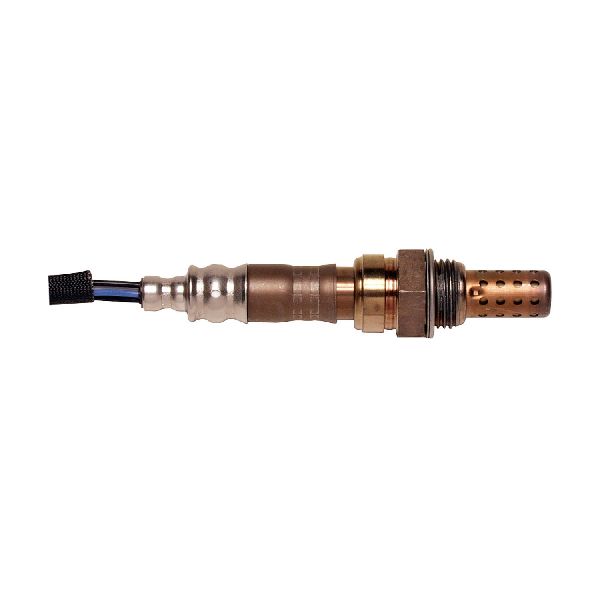
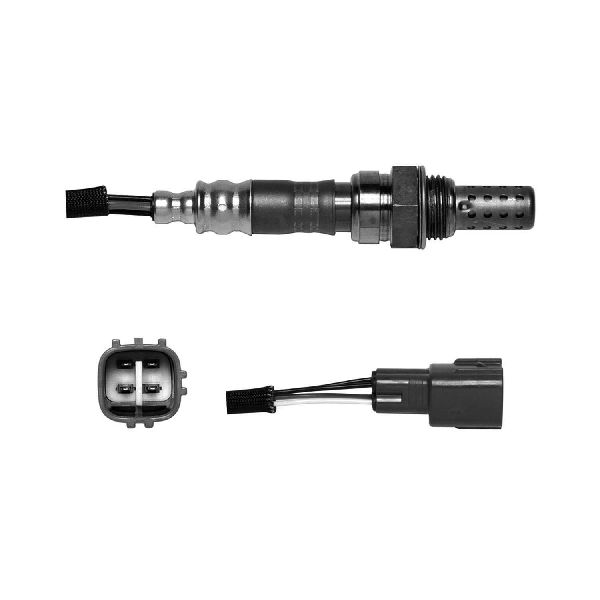
The Toyota Matrix typically uses two heated, 4-wire oxygen sensors. One is an upstream air-fuel ratio sensor located in the exhaust manifold before the catalytic converter, and the other is a downstream sensor located after the catalytic converter. The thread size is typically M18x1.5. Part numbers vary significantly by year and engine (1.8L 1ZZ-FE vs. 2.4L 2AZ-FE), so always verify fitment.
We Have This Part in Stock


The information in this article is provided for general reference and educational purposes only. Vehicle specifications, procedures, and part compatibility can vary by production date, trim level, and region. Always consult your vehicle's factory service manual and verify part numbers before purchasing or performing repairs. Safety-critical components such as airbags, seat belts, and braking systems should be installed by a qualified professional.
- Toyota Matrix: