

Honda CR-V (2003-2014) Automatic Transmission Solenoid Guide
Experiencing harsh shifting or a flashing "D" light? Your transmission solenoids might be the problem.
- A flashing "D" light combined with harsh shifting is a classic sign of solenoid failure in a CR-V.
- Before replacing parts, check your transmission fluid level and condition; use only Honda ATF-DW1 fluid.
- Many solenoids are externally mounted, making this a feasible DIY repair for those with some mechanical skill.
- While aftermarket solenoids are cheaper, OEM parts are often recommended for Honda transmissions to ensure compatibility and longevity.
Understanding Transmission Solenoid Failure in Your CR-V

Transmission solenoids are critical for the smooth operation of your 2003-2014 Honda CR-V. They are electro-hydraulic valves that receive signals from your vehicle's computer to manage gear changes. Over time, these solenoids can fail due to electrical issues, internal wear, or contamination from dirty transmission fluid. When a solenoid fails, it can disrupt fluid pressure, leading to a range of noticeable and often frustrating shifting problems.
Common Symptoms of a Bad Solenoid

A failing transmission solenoid will almost always make its presence known. Here are the most common signs CR-V owners experience:
🎬 Watch a video breakdown of bad transmission solenoid symptoms- Harsh or Delayed Shifting: The most frequent complaint is a noticeable jerk, hesitation, or slam when the transmission shifts gears.
- Flashing "D" Light: The "D" on your instrument cluster may start blinking. This is Honda's specific way of signaling a transmission-related fault, often linked to a solenoid electrical issue.
- Check Engine Light: A faulty solenoid can trigger a Check Engine Light and store diagnostic trouble codes (DTCs) like P0753, P0962, P0966, or P0973.
- Getting Stuck in Gear: The transmission might refuse to shift out of a certain gear, often locking itself in 2nd or 3rd as a protective "limp mode."
- RPM Flares Between Shifts: You might see the engine RPMs spike briefly as the transmission struggles to engage the next gear.
Known Issues and Recalls
While there are no specific recalls for transmission solenoids on the 2003-2014 CR-V, Honda did issue recalls for other transmission-related components. A recall for some 2012-2013 models addressed a brake-shift interlock issue that could allow the vehicle to roll away. Another recall on older models concerned shift cable linkage corrosion. A Technical Service Bulletin (TSB #05-071) was issued for the 2005 CR-V for a Check Engine Light with code P0973 🎬 Watch this guide on fixing a P0966 code and flashing D light, pointing to a short in the shift solenoid A circuit.
Choosing a Replacement Part: Aftermarket vs. OEM

When it comes to transmission parts for Hondas, there is a strong debate about using Original Equipment Manufacturer (OEM) versus aftermarket parts. Many experienced mechanics and owners report that Honda transmissions can be sensitive to the precise electronic and hydraulic tolerances of their components. Some owners have had negative experiences with aftermarket solenoids, leading to repeat failures. However, other owners have used aftermarket parts without issue. High-quality aftermarket brands can offer a significant cost saving. If choosing aftermarket, stick to known brands rather than unbranded parts from online marketplaces, which have a higher risk of premature failure.
| Part Type | Estimated Cost |
|---|---|
| New Aftermarket Solenoid | $96.18 - $97.42 |
| New OEM Solenoid (from Honda) | $250 - $350+ per solenoid |
| Used OEM Solenoid (from salvage) | $50 - $150 |
| Shop Labor for Replacement | $100 - $200 |
A Mechanic's Advice
Before replacing any solenoids, ensure your transmission fluid is clean and at the correct level. Use only Honda-specific automatic transmission fluid (ATF-DW1). Sometimes, old, dirty fluid can cause shifting issues that mimic solenoid failure. Performing a few drain-and-fills can sometimes resolve minor problems.
Frequently Asked Questions (FAQ)

Can I replace just one bad solenoid?
Yes. In most cases, you can identify and replace only the faulty solenoid. A diagnostic scan tool can help pinpoint which solenoid circuit is having a problem by reading the specific trouble code. However, solenoids are often sold in packs or sets, and some mechanics recommend replacing them as a set, especially on higher-mileage vehicles.
How many solenoids does my CR-V transmission have?
Your CR-V's automatic transmission has a set of solenoids, typically including multiple shift solenoids (A, B, C, etc.) and a torque converter lock-up solenoid. The exact number and configuration can vary slightly by year and specific transmission model. They are often grouped together in a single pack or mounted externally on the transmission case.
Is replacing a transmission solenoid a DIY job?
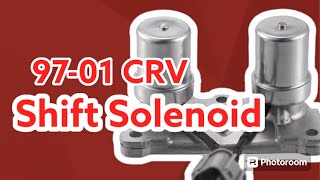
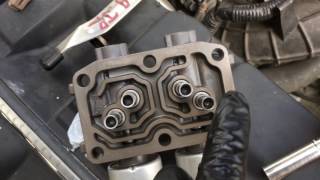
For many 2003-2014 CR-V models, the main shift solenoids are located on the outside of the transmission case, making them accessible without removing the entire transmission. The job typically involves removing the airbox and battery to gain access, unplugging the electrical connectors, and unbolting the solenoid assembly. 🎬 See how to replace a Honda CR-V shift solenoid step-by-step While it is feasible for a skilled DIYer, it requires care and the right tools.
What does the flashing "D" (Drive) light mean?
A flashing "D" light on a Honda is a specific indicator that the transmission control module has detected an electrical fault within the transmission system. This is very commonly caused by a failing shift solenoid, pressure switch, or a problem in the wiring. It's a serious warning that should be diagnosed promptly.
Helpful Videos



Technical Specifications
OEM Part Numbers: 28250-PLX-305 28260-PRP-014 28000-P7W-000 15810-RAA-A03
Includes multiple shift solenoids and a torque converter clutch (TCC) solenoid. Solenoids are typically mounted externally on the transmission case for this generation. Resistance for a healthy solenoid is generally between 12-25 Ohms.

The information in this article is provided for general reference and educational purposes only. Vehicle specifications, procedures, and part compatibility can vary by production date, trim level, and region. Always consult your vehicle's factory service manual and verify part numbers before purchasing or performing repairs. Safety-critical components such as airbags, seat belts, and braking systems should be installed by a qualified professional.
- Honda CR-V: