

Ford E-250 Spark Plug Guide (2003-2014): Preventing Breakage and Blowouts
Learn how to choose the right spark plugs and avoid the infamous Triton engine problems in your E-250 van.
- Identify your engine (2-valve or 3-valve) to understand the specific risk: blowout or breakage.
- Change spark plugs more frequently than the 100,000-mile recommendation, ideally every 50-70k miles.
- For 2004-2008 models, consider using a one-piece aftermarket spark plug from a brand like Champion to prevent future breakage.
- Due to high risk and difficult access, this job is often best left to an experienced mechanic who is prepared for potential complications.
Understanding the Ford E-250 Spark Plug Problem

If you own a 2003-2014 Ford E-250 with a Triton V8 engine (4.6L or 5.4L), you need to be aware of well-known spark plug issues. These problems stem from two different cylinder head designs used during this period.
Two Major Issues Depending on Your Engine
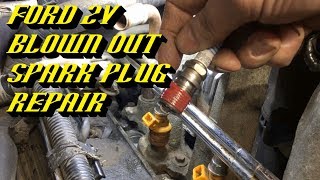
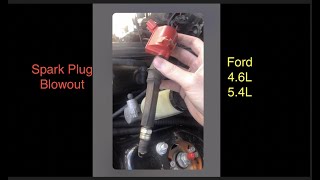
- Spark Plug Blowout (approx. 2003 and earlier 2-Valve engines): Earlier Triton engines had cylinder heads with very few threads for the spark plugs. Over time, these threads can weaken, causing the spark plug to be violently ejected from the engine. This can damage the cylinder head, requiring expensive thread repairs.
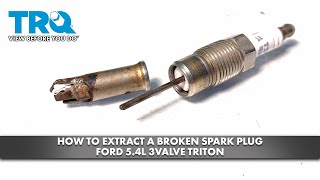
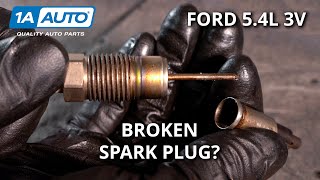
- Broken Spark Plugs (approx. 2004-2008 3-Valve engines): To fix the blowout issue, Ford redesigned the heads with more threads but used a problematic two-piece spark plug. Carbon builds up on the lower part of the plug, causing it to seize in the head. When you try to remove it, the plug often breaks, leaving the bottom half stuck in the engine. Ford issued a Technical Service Bulletin (TSB 08-7-6) with a specific removal procedure to help prevent this.
Choosing the Right Aftermarket Spark Plugs

Given the engine's history, selecting a quality spark plug is more important than just finding the cheapest option. The original Motorcraft plugs were part of the problem, but later designs and quality aftermarket brands offer better solutions.
Brand & Quality Tiers
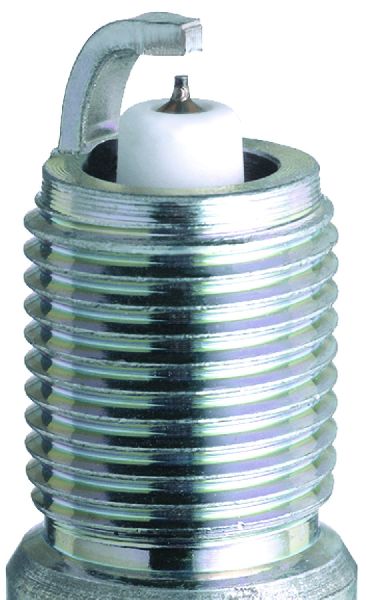
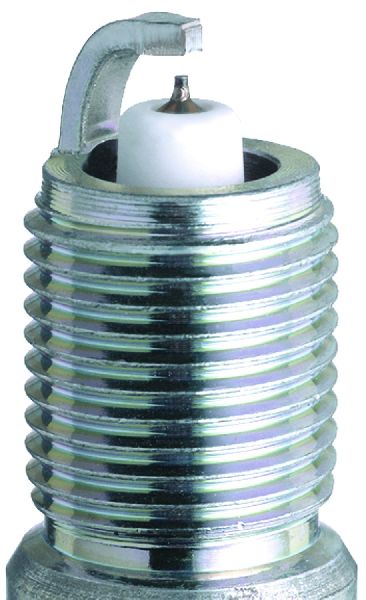
- Top Tier (OEM-Equivalent & Problem Solvers): Brands like NGK and Denso are well-regarded for their quality and are often considered equivalent or superior to OEM. For engines with the two-piece plug issue, Champion makes a one-piece design that eliminates the risk of breakage during future changes. Updated Motorcraft plugs (like the SP-546) are also a revised, better design than the originals.
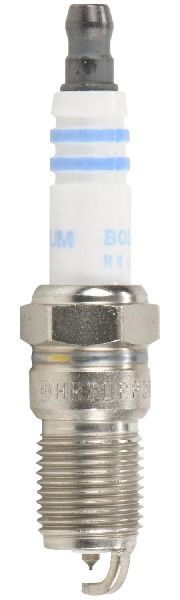
- Mid-Tier (Quality Aftermarket): Bosch offers a range of platinum and iridium plugs that are a solid choice for this vehicle. They provide good performance and durability.
- Economy Tier (Budget-Friendly): Brands like Autolite offer a more affordable option. While functional, for the problematic Triton engines, investing in a higher-tier plug is often recommended to prevent costly issues down the road.
| Brand Tier | Material | Average Price |
|---|---|---|
| Top Tier (NGK, Denso, Champion One-Piece) | Iridium / Platinum | $9 - $21 |
| Mid-Tier (Bosch) | Iridium / Platinum | $7 - $15 |
| Economy (Autolite, Skyward) | Platinum / Copper | $3 - $8 |
Pro Tip: Change Plugs Sooner
Ford's recommended 100,000-mile service interval is too long for these engines. Most mechanics recommend changing the plugs every 50,000 to 70,000 miles to prevent excessive carbon buildup and reduce the risk of breakage or seizure.
Frequently Asked Questions (FAQ)

Why is replacing spark plugs on my E-250 so difficult?
Access is the first challenge, as the engine is tucked under the 'doghouse' cover inside the van, requiring removal of seats and interior panels. The second, more serious challenge is the risk of the plugs either breaking off in the cylinder head (on 3-valve engines) or stripping the threads (on 2-valve engines). This turns a simple tune-up into a potentially major repair.
What special tools are needed for this job?
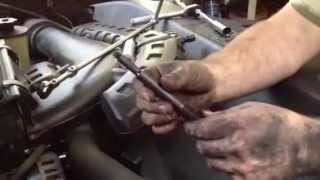
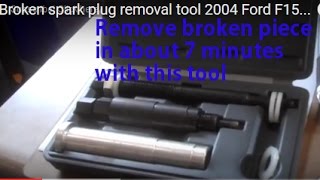
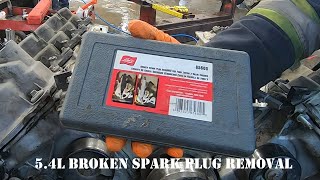
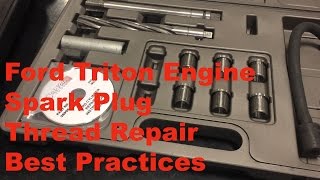
Besides a good socket set with various extensions and universal joints, you should have a special tool for broken spark plug extraction, like the Lisle 65600, on hand if you have a 3-valve engine (approx. 2004-2008). For engines prone to blowouts, some mechanics keep a thread repair kit like a Time-Sert kit nearby in case threads are damaged upon removal. Using compressed air to blow out debris from the spark plug wells before removal is critical.
Should I use anti-seize on the new spark plugs?
This is a debated topic. Ford's official TSB for the 3-valve engines does not mention using anti-seize on the new plug threads. Some modern plugs have a special nickel plating that doesn't require it, and using anti-seize can cause you to over-torque the plugs. However, many experienced mechanics still apply a small amount of nickel-based anti-seize to the threads to aid future removal. Do not get any on the electrode.
Are there any recalls for the E-250 spark plug issue?
There have been no official safety recalls from Ford or the NHTSA for this specific spark plug problem. However, there was a class-action lawsuit that provided some reimbursement for owners who incurred costs due to broken spark plugs.
Helpful Videos
Technical Specifications
OEM Part Numbers: SP-479 SP-515 SP-546 SP-493
The 2003-2014 E-250 was equipped with either a 4.6L 2V, 5.4L 2V, or 5.4L 3V V8 engine. The spark plug design and cylinder heads changed around 2004. Early models are prone to plug blowouts, while 2004-2008 3V engines use a two-piece plug design notorious for breaking upon removal.
We Have This Part in Stock

The information in this article is provided for general reference and educational purposes only. Vehicle specifications, procedures, and part compatibility can vary by production date, trim level, and region. Always consult your vehicle's factory service manual and verify part numbers before purchasing or performing repairs. Safety-critical components such as airbags, seat belts, and braking systems should be installed by a qualified professional.
- Ford E-250: