

A Guide to the Fuel Injection Plenum Gasket on the 2003-2013 Mazda 6
Fixing rough idles and lean codes on your Mazda 6 often starts with this critical seal.
- A failing plenum gasket is a common cause of lean codes (P0171, P0174) and a rough idle on the Mazda 6.
- This job is more common on V6 models, which have a two-piece intake design, but can also occur on 4-cylinder engines.
- While the part is inexpensive, replacement is moderately difficult; consider replacing the PCV valve and cleaning the throttle body at the same time.
- There are no recalls for this specific issue; it is a common wear-and-tear repair item.
Is Your Mazda 6 Gasket Failing?
The original gaskets are made from materials that get hard and brittle over many years of heat and vibration. When this happens, they can't seal properly anymore. The most common failure is a vacuum leak, which lets extra air into the engine that the computer doesn't know about. This can cause a variety of problems you will notice while driving.
Symptoms of a Bad Plenum Gasket
If your plenum gasket is failing, your car will tell you. Look out for these common signs:
- Rough or Shaky Idle: The engine may shake or run unevenly when you're stopped.
- Check Engine Light: A vacuum leak will almost always trigger the check engine light. You'll see codes like P0171, P0174, or P2187, which all mean the engine is running too lean (too much air, not enough fuel). 🎬 Watch: How to diagnose P0171 and P0174 lean codes
- Hissing Noise: You might hear a hissing or whistling sound from the engine area. This is the sound of air being sucked through the bad gasket seal.
- Poor Performance: Your car may feel sluggish or slow to accelerate because the air-fuel mixture is wrong.
- Worse Gas Mileage: The engine's computer tries to fix the lean condition by adding more fuel, which hurts your fuel economy.
Choosing the Right Aftermarket Gasket
You don't need to buy the most expensive gasket, but you should choose a brand known for quality to avoid doing the job twice. Gaskets are generally sold in sets to replace all the necessary seals at once. Here’s a breakdown of common brand tiers.
Premium Aftermarket (Example: Fel-Pro)
Brands like Fel-Pro are very popular with mechanics for a reason. They often design their gaskets to be better than the original, using materials that hold up well in a repair environment where surfaces might not be perfectly clean or flat. They are a trusted choice for a long-lasting repair.
🎬 See this walkthrough for installing Fel-Pro gasketsOEM-Equivalent (Example: Beck Arnley, Reinz)
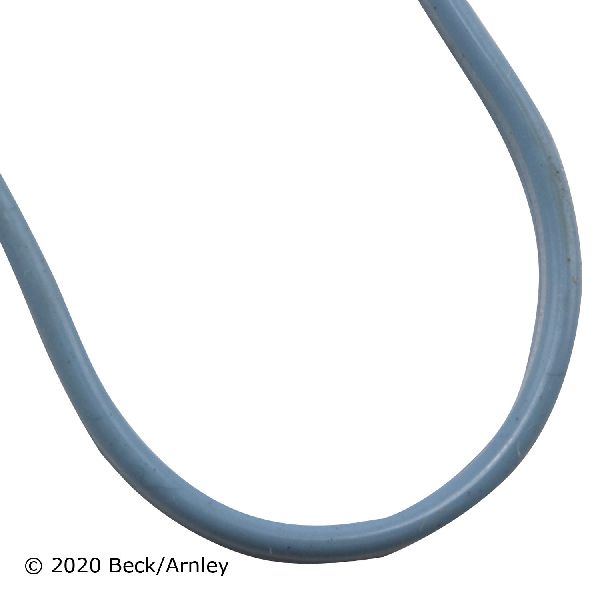
Beck Arnley is known for sourcing parts from various manufacturers, often including the original OEM supplier. They are generally considered a solid, middle-of-the-road choice that meets original specifications. Victor Reinz is another brand that produces OEM-quality gaskets and is often recommended. For many repairs, these brands offer a good balance of quality and price.
Standard/Economy (Example: Victor Gaskets)
These are the most budget-friendly options. While they will seal the manifold, their materials and construction may not be as robust as premium brands. For a repair that is labor-intensive like this one, spending a few extra dollars on a higher-quality gasket is often wise to ensure a durable seal.
Cost of Replacing Your Plenum Gasket Set
| Part/Service | Estimated Cost |
|---|---|
| New Aftermarket Gasket Set | $17 - $41 |
| New OEM Gasket Set | $45 - $115 |
| Shop Labor | $280 - $420 |
| Total Professional Replacement | $340 - $735 |
Pro Tip: While You're In There
Replacing the plenum gasket requires removing the entire upper intake manifold. This gives you easy access to other parts. It's a great time to also replace the PCV valve and hose, and to clean the throttle body and intake ports. This can save you time and money on future repairs.
Frequently Asked Questions
Is there a recall for the Mazda 6 plenum gasket?
No, there are no recalls or Technical Service Bulletins (TSBs) from Mazda for failing plenum or intake manifold gaskets on the 2003-2013 Mazda 6. Searches of the NHTSA database show recalls for other items like airbags, but not for engine gaskets.
What's the difference between upper and lower intake gaskets?
This mainly applies to the V6 engine, which has a two-piece intake manifold. The "plenum gasket" is the upper gasket that seals the two halves of the manifold. The "intake manifold gaskets" are the lower set that seals the entire manifold to the engine's cylinder heads. The 4-cylinder engine has a single-piece manifold and only uses the lower gaskets. Kits often include all necessary gaskets for the job.
Can I reuse my old gasket?
No. Once a gasket has been compressed and heat-cycled, it will not seal properly if you try to reuse it. Gasket sets are inexpensive, and a new set is required for a successful repair.
Is this a difficult job to do myself?
For a DIY mechanic, this is a moderately difficult job. It requires removing the air intake, throttle body, fuel rail, and many electrical connectors and hoses. Some of the bolts can be hard to reach. If you are not comfortable with this level of disassembly, it is best to have a professional mechanic do the work. The job typically takes 2 to 4 hours.
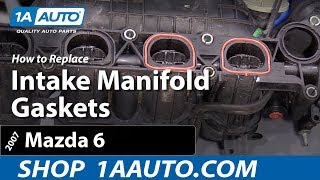
🎬 Watch: Step-by-step intake manifold gasket replacement guideHelpful Videos
Technical Specifications
OEM Part Numbers: LF01-13-111
The plenum gasket set for the V6 engine includes an upper gasket for the plenum-to-manifold connection and lower gaskets for the manifold-to-head connection. The 4-cylinder engine uses a single set of gaskets for the manifold-to-head connection. Gaskets are typically made of molded rubber or composite materials designed to be press-in-place.
We Have This Part in Stock


The information in this article is provided for general reference and educational purposes only. Vehicle specifications, procedures, and part compatibility can vary by production date, trim level, and region. Always consult your vehicle's factory service manual and verify part numbers before purchasing or performing repairs. Safety-critical components such as airbags, seat belts, and braking systems should be installed by a qualified professional.
- Mazda 6: