

Honda Accord Engine VVT Solenoid Guide: 2003-2013
Understanding the VVT solenoid in your 2003-2013 Accord is key to fixing poor performance and check engine lights.
- A bad VVT solenoid will almost always trigger a Check Engine Light with codes like P0011.
- The most common cause of failure is dirty or low engine oil; regular oil changes are critical for prevention.
- For Honda's K-series and J-series engines, the VVT solenoid is part of the 'spool valve' assembly, and issues can also cause VTEC-related codes like P2646.
- While cheap aftermarket parts exist, forum users strongly recommend using an OEM or a premium aftermarket brand like NGK or Standard Ignition for long-term reliability.
Is Your Accord's VVT Solenoid Failing?

A failing VVT solenoid can cause a range of noticeable problems. Because it controls engine timing by managing oil flow, any issue with the solenoid can throw your engine's performance out of balance. The most common cause of failure is often related to engine oil—either the oil level is low, or the oil is dirty and has created sludge that clogs the small passages and filter screens within the solenoid assembly. This prevents the solenoid from moving correctly and accurately directing oil pressure.
Symptoms of a Bad VVT Solenoid

If the VVT solenoid in your Accord is going bad, you will likely experience one or more of the following symptoms:
- Check Engine Light: This is often the first sign. The computer will detect a problem with the camshaft timing and trigger a code. Common codes include P0010, P0011, and P0341.
- Rough Idle and Stalling: The engine may shake, run unevenly, or even stall when you're stopped at a light. This happens because the solenoid can't maintain correct valve timing at low speeds.
- Poor Acceleration: Your car may feel sluggish or hesitant when you press the gas pedal. The engine can't adjust its timing to provide power when you need it.
- Decreased Fuel Economy: If you find yourself visiting the gas station more often, a bad solenoid could be the culprit. The engine gets stuck in a less efficient timing position, wasting fuel.
- Engine Noise: A rattling or ticking sound from the engine, especially at startup or low speeds, can be a sign that the VVT system is struggling due to incorrect oil pressure.
A Note on VTEC vs. VVT
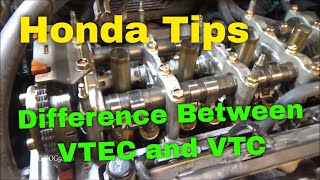
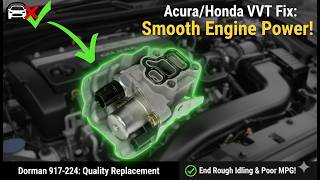
🎬 Watch this video to understand the difference between VTEC and VTC.For Honda owners, it's important to understand the terminology. VVT (Variable Valve Timing Control) adjusts the camshaft's rotation (timing), while VTEC (Variable Valve Timing and Lift Electronic Control) also changes how far the valves open (lift). In many 2003-2013 Accords, these functions are part of a single assembly called the spool valve. A problem with this assembly can trigger codes related to either system, such as the common P2646 VTEC code, even though the root cause is the solenoid or its clogged screens.
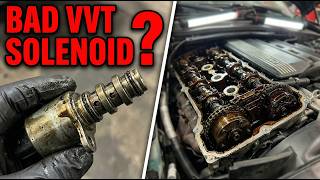
Choosing the Right Aftermarket 🎬 Compare the differences between OEM and aftermarket VVT solenoids here. VVT Solenoid

While the OEM Honda part is always a reliable choice, high-quality aftermarket solenoids can offer comparable performance at a better price. However, owners on forums often warn against the cheapest options, as these can fail prematurely due to lower quality materials and seals. When shopping, it's helpful to think of brands in tiers:
- Premium Aftermarket (NGK, Standard Ignition): These brands have a strong reputation for quality and are often trusted as reliable alternatives to OEM. They are engineered to meet or exceed factory specifications.
- Quality Mid-Range (Dorman, Gates, Walker): These are well-known aftermarket brands that offer a good balance of price and performance. Dorman, in particular, is a common choice and often engineers its parts to address known OEM weaknesses.
- Economy Options (Global Parts, store brands): While these are the most budget-friendly, their long-term reliability can be inconsistent. They may be a temporary fix, but for a part this critical to engine function, investing in a more reputable brand is often a better long-term value.
Pro Tip: The Gasket is Key
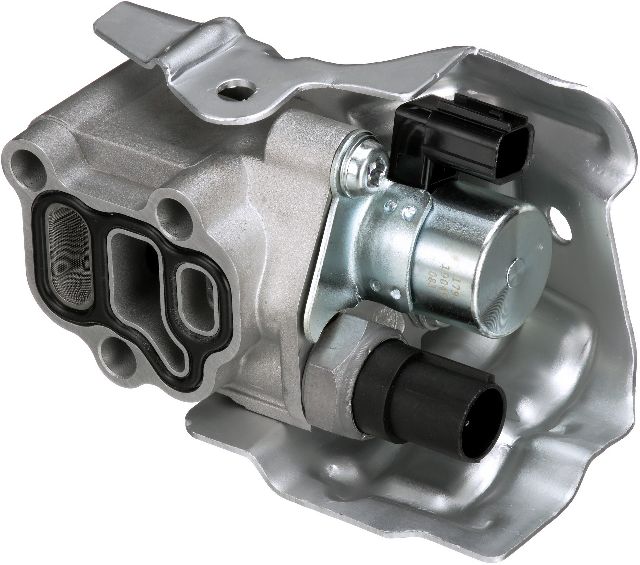
Almost all VVT solenoid failures are related to oil. When you replace the solenoid, it is critical to also replace the gasket or screen assembly. These gaskets contain small mesh filters that can become clogged with sludge. A new solenoid with an old, clogged gasket will not solve the problem. Many aftermarket kits come with a new gasket included.
Cost of Replacing a Honda Accord VVT Solenoid
| Part Type | Estimated Cost |
|---|---|
| New OEM | $150 - $265 |
| New Aftermarket | $44 - $497 |
| Shop Labor | $67 - $140 |
| Total Professional Replacement | $223 - $361 |
Frequently Asked Questions

Can I just clean my VVT solenoid?
Yes, cleaning is sometimes possible. If the issue is a clogged screen, removing the solenoid and cleaning it with brake or carburetor cleaner may restore function temporarily. However, if the solenoid's electronic components are failing, or if it is internally worn, cleaning will not help and replacement is necessary. Given the low cost of a new part and the labor involved, most mechanics recommend replacement.
How can I prevent my VVT solenoid from failing?
The single best prevention method is regular oil changes with high-quality oil of the correct viscosity. Clean oil is the lifeblood of the VVT system. Dirty, sludgy oil will clog the solenoid's fine mesh screens and internal passages, leading to failure.
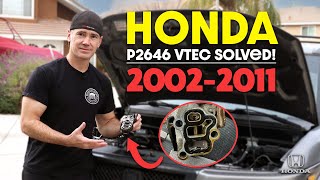
Is this a difficult DIY job? 🎬 Follow these three easy steps to replace your VTEC spool valve.
For many 2003-2013 Accords, this is a very DIY-friendly job. The solenoid is usually located on the front or side of the engine and held in place by a few bolts. The difficulty is typically low, requiring basic hand tools and about an hour of time. The main challenge can be accessing the bolts, which may require moving a power steering line or other component out of the way.
Were there any recalls for the VVT solenoid on these Accords?
No, there have been no specific recalls issued by Honda or the NHTSA for the VVT solenoid on the 2003-2013 Honda Accord. Most issues are considered maintenance-related.
Helpful Videos
Technical Specifications
OEM Part Numbers: 15810-RAA-A03 15810-PPA-A01 15815-RAA-A02 15830-PNC-003 36171-P8E-A01
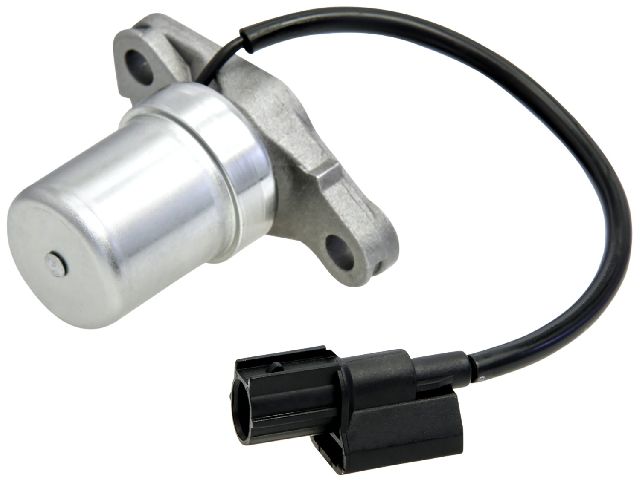
The VVT solenoid, often called a spool valve assembly in Honda Accords, is an electro-hydraulic component that controls oil flow to the cam phasers. It includes the solenoid body, an internal valve, electrical connectors, and integrated filter screens. Part numbers vary significantly between 4-cylinder (K-series) and V6 (J-series) engines, as well as between the 7th (2003-2007), 8th (2008-2012), and 9th (2013) generations. Always verify the part number for your specific engine and year.
We Have This Part in Stock


The information in this article is provided for general reference and educational purposes only. Vehicle specifications, procedures, and part compatibility can vary by production date, trim level, and region. Always consult your vehicle's factory service manual and verify part numbers before purchasing or performing repairs. Safety-critical components such as airbags, seat belts, and braking systems should be installed by a qualified professional.
- Honda Accord: