

A Guide to Engine Mounts for the 2003-2013 Chevrolet Cheyenne
If your truck is vibrating or making clunking sounds, it might be time for new engine mounts.
- Key symptoms of failure are vibrations at idle and clunking noises on acceleration.
- Aftermarket brands like Anchor, DEA, and Westar are affordable but may cause slightly more vibration than OEM.
- While you can drive with a bad mount, it puts stress on other parts and should be fixed promptly.
- Always inspect the transmission mount when replacing engine mounts; they often wear out together.
Is Your Cheyenne's Engine Mount Failing?
Engine mounts on the 2003-2013 Chevrolet Cheyenne (and its sibling, the Silverado) are common wear items. They work hard to keep your V6 or V8 engine smooth and stable. When they fail, the signs are usually obvious. The most common complaint is a new vibration you can feel in the steering wheel or the whole cabin, especially when idling in gear. Another clear sign is a loud clunk or thud from the engine bay when you accelerate, decelerate, or shift from Park to Drive or Reverse. In some cases, you can even see the engine visibly rock or lift excessively if a helper revs the engine while you watch with the hood open.
Choosing the Right Aftermarket Engine Mount
When replacing your engine mounts, you don't have to go back to the dealer. Aftermarket parts offer good value, but it's important to know what you're buying. The brands available are generally considered economy or standard-grade replacements.
- Standard Replacement Brands (Anchor, DEA, Westar): These brands are popular, affordable choices for a daily driven truck. They are designed to meet original specifications and will fix common failure symptoms like clunking and excessive movement. However, some mechanics and owners report that the rubber used in these mounts can be harder than the original factory parts. This might lead to a slight increase in engine vibration felt in the cabin compared to a new OEM part. For most owners, this trade-off is acceptable for the significant cost savings.
- OEM (Original Equipment Manufacturer): The original mounts from GM are designed specifically for your truck's noise and vibration characteristics. They are the most expensive option but provide a factory-original feel and are expected to have the longest service life. If your priority is the smoothest ride possible, OEM is the way to go.
Pro Tip: Check the Transmission Mount
Your truck has two engine mounts and one transmission mount. They all work together as a system. If your engine mounts have failed due to age and mileage, the transmission mount is likely worn out too. It's a good idea to inspect it and replace it at the same time to ensure your entire drivetrain is secure.
How Much Does an Engine Mount Replacement Cost?
The cost can vary, but labor is the biggest part of the expense. The parts themselves are relatively inexpensive.
| Part Type | Estimated Part Cost | Estimated Labor Cost | Total Estimated Cost |
|---|---|---|---|
| Aftermarket Engine Mounts | $40 - $80 (for a pair) | $380 - $560 | $420 - $640 |
| OEM Engine Mounts | $160 - $250+ (for a pair) | $380 - $560 | $540 - $810+ |
Cost estimates are based on national averages for parts and labor. Your actual cost may vary based on your location and shop rates.
Frequently Asked Questions (FAQ)
Can I drive with a bad engine mount?
You can, but it's not recommended for long. While the engine is unlikely to fall out, a broken mount puts extra stress on the other mounts, the transmission mount, and even hoses and wiring. The excessive movement can cause other parts to break, leading to more expensive repairs down the road.
Is replacing engine mounts a DIY job?
For an experienced DIY mechanic, yes. The process involves supporting the engine from below with a jack and a block of wood, unbolting the mounts from the frame and engine, and lifting the engine slightly to get the mounts out. However, it can be a difficult job due to tight spaces, especially on the driver's side of 4WD models. If you're not comfortable working under your truck and lifting the engine, it's best to leave this job to a professional.
Why do I feel more vibration with my new aftermarket mounts?
This can happen sometimes with economy aftermarket mounts. The rubber compound may be harder than the original part to increase durability, but this can transmit more engine vibration into the frame. Most people find it acceptable, but it's a known trade-off for the lower price compared to OEM parts.
Are there any recalls for Cheyenne engine mounts?
No. Searches of the National Highway Traffic Safety Administration (NHTSA) database did not find any safety recalls specifically for engine mount failure on the 2003-2013 Chevrolet Cheyenne or Silverado.
Technical Specifications
OEM Part Numbers: 15854941
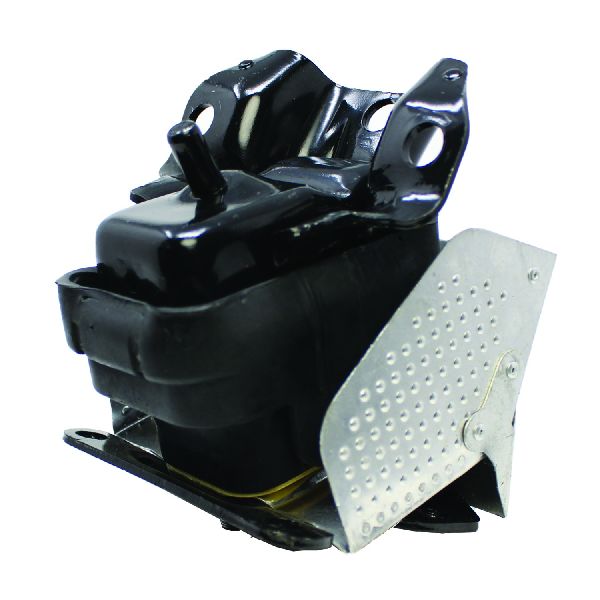
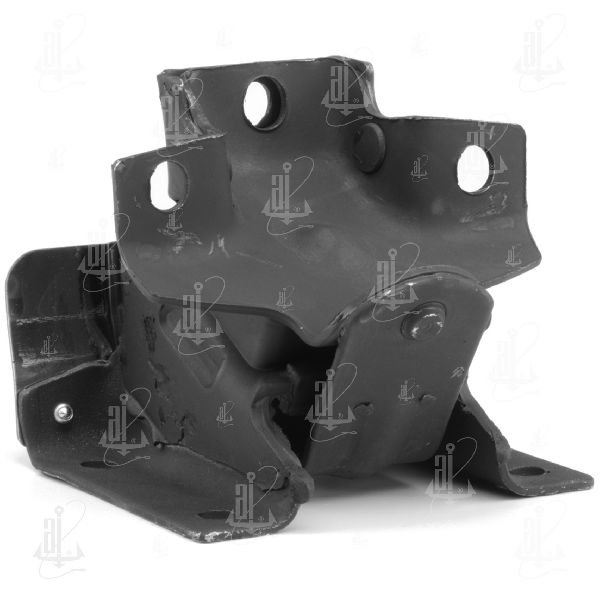
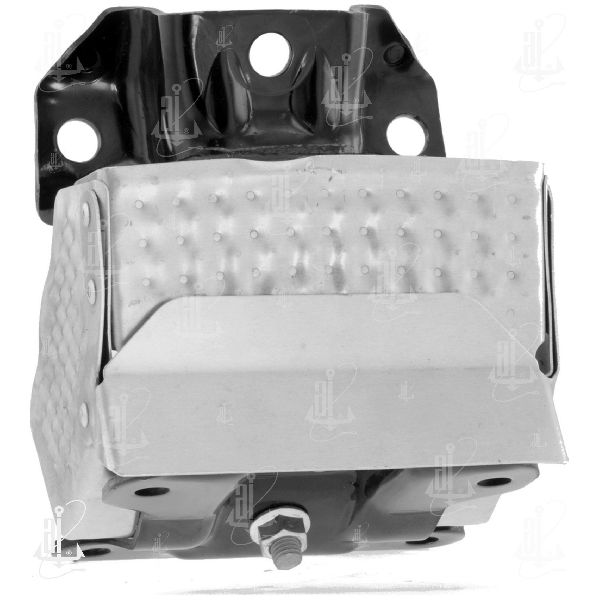
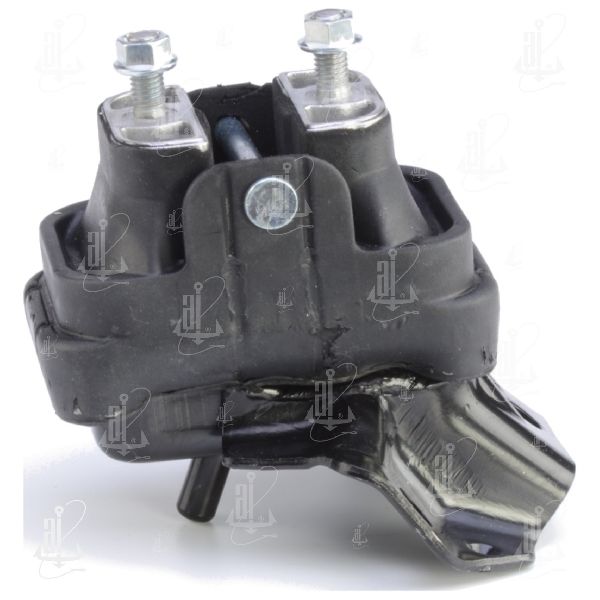
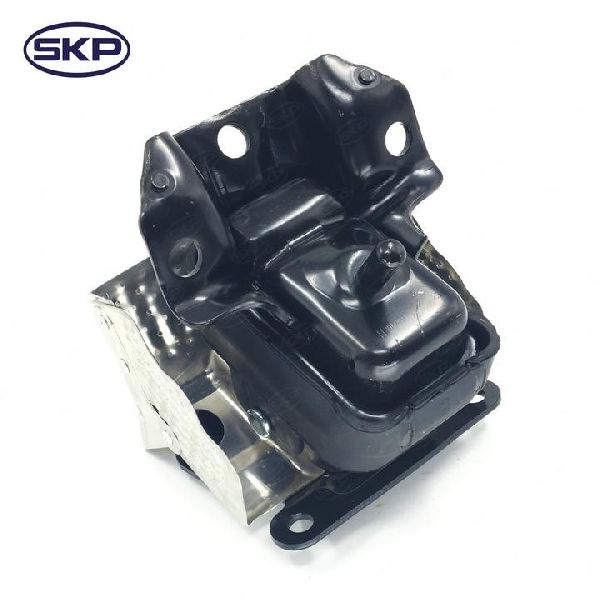
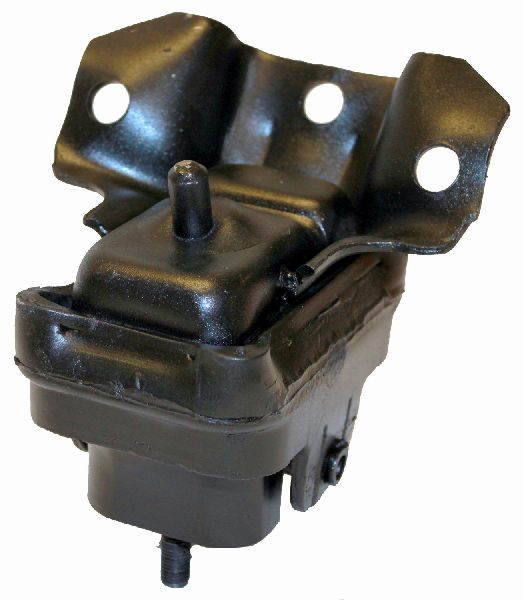
The 2003-2013 Chevrolet Cheyenne typically uses two engine mounts and one transmission mount. The engine mounts are a steel and rubber design. Some aftermarket versions are hydraulic (fluid-filled) while most are solid rubber. Part designs differ between 2WD and 4WD models, and between the GMT800 (2003-2007 Classic) and GMT900 (2007-2013) generations.
We Have This Part in Stock

The information in this article is provided for general reference and educational purposes only. Vehicle specifications, procedures, and part compatibility can vary by production date, trim level, and region. Always consult your vehicle's factory service manual and verify part numbers before purchasing or performing repairs. Safety-critical components such as airbags, seat belts, and braking systems should be installed by a qualified professional.
- Chevrolet Cheyenne: