

A Ford Ranger Owner's Guide to the Idle Air Control Valve (2003-2012)
Solve your Ranger's rough idle, stalling, or high RPM issues by understanding and choosing the right replacement part.
- Verifying your Ranger's engine size (2.3L, 3.0L, or 4.0L) is the most critical step, as each uses a different IAC valve.
- Owner experiences strongly suggest using the OEM Motorcraft part for best results and to avoid compatibility issues with aftermarket brands.
- Replacement is a very simple DIY task that requires only basic tools and can be completed in under 30 minutes.
- Symptoms like a rough/high idle, stalling, and even a howling noise often point directly to a failing IAC valve.
Is Your Ranger's Idle Acting Up?

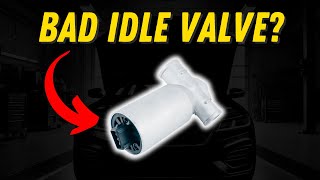
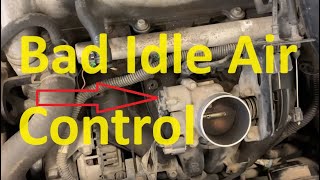
A faulty Idle Air Control (IAC) valve is a common reason for idle problems in the 2003-2012 Ford Ranger. Because the valve is constantly moving and exposed to carbon buildup from air passing through it, it can get stuck or fail electronically. This disrupts the air-fuel mixture at idle, leading to a variety of noticeable symptoms. Ignoring a failing IAC valve can lead to poor performance, reduced fuel economy, and potentially damage other engine components over time.
Symptoms of a Bad Idle Air Control Valve

If your IAC valve is failing, you'll notice problems almost exclusively when the truck is idling or coming to a stop. Common signs include:
- Rough or Surging Idle: The engine RPM may bounce up and down, making the truck shake or sound like it's struggling to stay running.
- Stalling: The engine might die when you come to a stoplight, put it in gear, or when the A/C compressor kicks on.
- High Idle: The engine may idle much faster than normal (e.g., over 1000 RPM), which can make the truck feel like it's pushing forward even when your foot is on the brake.
- Hard Starting: The engine may have trouble starting and catching a stable idle, especially in cold weather.
- Check Engine Light: The engine computer can detect that it can't control the idle speed correctly and will trigger a Check Engine Light.
- Howling Noise: Some owners report a strange howling or "moose call" sound coming from the engine bay at idle, which is caused by air vibrating as it passes through a malfunctioning valve.
Choosing the Right Aftermarket IAC Valve

When shopping for a new IAC valve, you'll find OEM and various aftermarket options. For this specific part on the Ford Ranger, owner experiences suggest there can be a significant difference in quality and performance.
Pro Tip: Match Your Engine
The 2.3L, 3.0L, and 4.0L engines in the 2003-2012 Ranger use different IAC valves. Always verify your engine size before ordering to ensure you get the correct part. Using the wrong part will not work.
- Tier 1: OEM (Motorcraft)
Motorcraft is Ford's original equipment brand. For the Ranger's IAC valve, this is the most recommended option in owner communities. Many users report that cheaper aftermarket parts can cause persistent high idle issues or fail prematurely. Choosing Motorcraft ensures the part will operate exactly as the truck's computer expects. - Tier 2: Premium Aftermarket (Standard Ignition)
Brands like Standard Motor Products (which includes Standard Ignition) are well-regarded in the industry. A Ford parts manager has even recommended this brand as a reliable alternative when Motorcraft is not available. This tier offers a balance of quality and cost, often with a good warranty. - Tier 3: Economy Aftermarket (True Tech and others)
Economy brands offer the lowest price point. However, for sensitive electronic parts like the IAC valve, forums contain many stories of these parts being dead-on-arrival or causing new, different idling problems. One user discovered an aftermarket valve actuated in the opposite direction of the original, making it impossible for the engine to idle down. While budget-friendly, be aware of the potential for issues.
Typical Replacement Costs
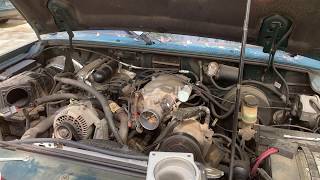
Replacing the IAC valve is a straightforward job. The part is easy to access on all available engines, making labor costs low if you take it to a shop.
| Item | Estimated Cost |
|---|---|
| New Aftermarket Part | $55 - $125 |
| New OEM (Motorcraft) Part | $90 - $170 |
| Shop Labor | $60 - $120 |
| Total Professional Replacement | $115 - $290 |
Frequently Asked Questions

Is it hard to replace a Ford Ranger IAC valve yourself?
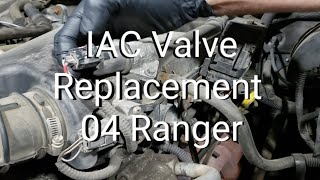
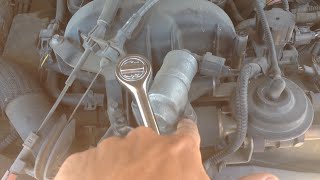
No, this is considered a very easy DIY job, suitable for beginners. The valve is held on by two 8mm bolts and has one electrical connector. The entire job can typically be done in less than 30 minutes with basic hand tools.
Can I just clean my old IAC valve?
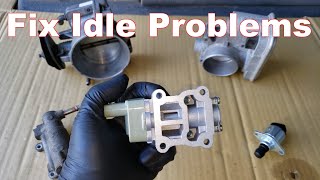
Yes, cleaning the carbon buildup from the valve's plunger and air passages with throttle body cleaner can sometimes restore its function. However, this is often a temporary fix. If the valve's internal electronics are failing, cleaning will not help, and replacement is the only solution.
Are there any recalls or TSBs for this part?
There are no active safety recalls for the IAC valve on the 2003-2012 Ford Ranger. However, Ford did issue Technical Service Bulletin (TSB) 03-3-5 for 2000-2003 Rangers with the 4.0L SOHC engine, which provided supplemental diagnostic tips for technicians dealing with idle-related issues.
Do I need to do anything after installing the new valve?
After installing the new valve, it's a good practice to disconnect the battery for a few minutes to reset the engine computer's memory. When you restart the truck, let it idle for several minutes so the computer can relearn the idle strategy with the new part.
Helpful Videos
Technical Specifications
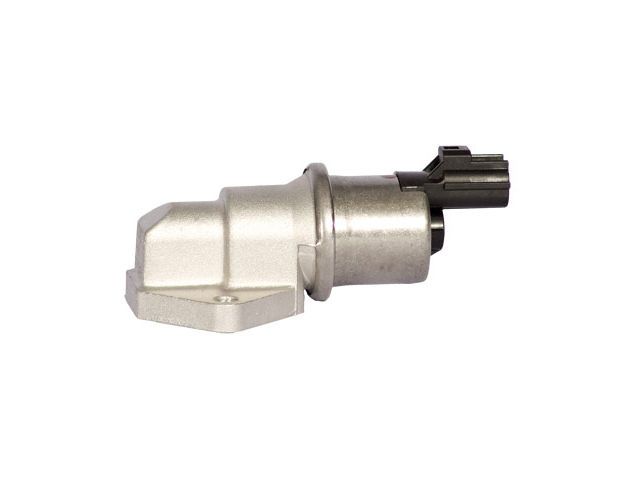
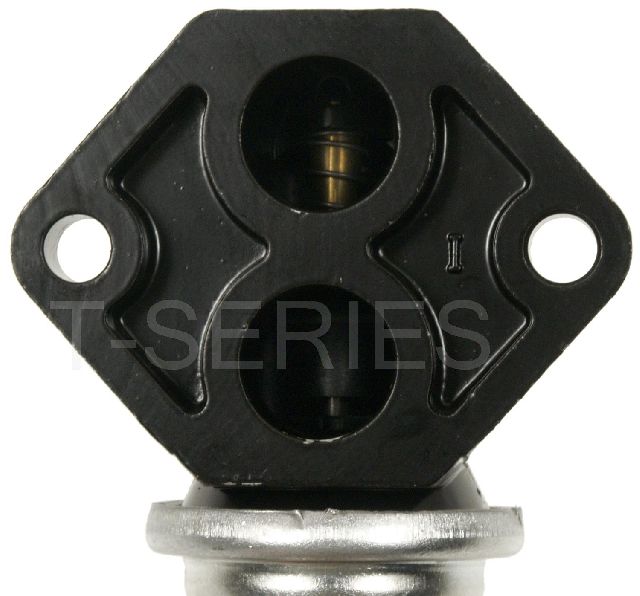
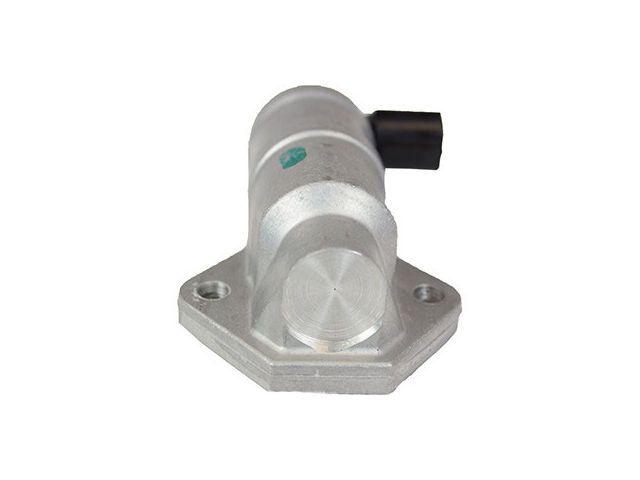
OEM Part Numbers: 5L5Z-9F715-A (Replaces 1L5Z-9F715-AA) - For 4.0L V6 4F1Z-9F715-AA (Motorcraft CX1946) - For 3.0L V6 1S7Z-9F715-AA (Motorcraft CX1778) - For 2.3L I4
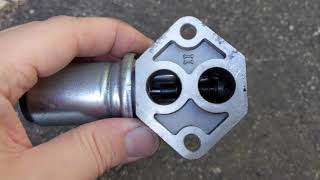
2-pin electrical connector. Gasket is typically included with new part and should always be replaced. Torque specification for the two 8mm mounting bolts is very low, around 89 in-lbs.
We Have This Part in Stock


The information in this article is provided for general reference and educational purposes only. Vehicle specifications, procedures, and part compatibility can vary by production date, trim level, and region. Always consult your vehicle's factory service manual and verify part numbers before purchasing or performing repairs. Safety-critical components such as airbags, seat belts, and braking systems should be installed by a qualified professional.
- Ford Ranger: