

Jeep Wrangler 2003-2011 Engine Intake Manifold Gasket Guide
Leaking coolant or a rough idle? Your intake manifold gasket might be the problem; here's what you need to know.
- Identify your engine first: 2003-2006 models have a 4.0L I6, while 2007-2011 models have a 3.8L V6. They use completely different gaskets.
- For the 3.8L V6, a leaking intake manifold gasket is a very common failure point. An aftermarket gasket from a brand like Fel-Pro or Victor Reinz is often an upgrade.
- Symptoms often include coolant leaks, engine overheating, and vacuum leaks causing a rough idle.
- This is a labor-intensive job. If you are doing it yourself, plan for several hours and be prepared to replace the thermostat and coolant at the same time.
Understanding Your Wrangler's Intake Gasket: TJ vs. JK
The 2003-2011 model years cover two different Jeep Wrangler generations with very different engines. It is critical to identify your specific model to get the right parts.
- 2003-2006 Wrangler (TJ) with 4.0L Inline-6 Engine: This engine uses a one-piece combination gasket that seals both the intake and exhaust manifolds to the side of the cylinder head. These are known for being extremely durable, but can eventually leak due to age and many heat cycles.
- 2007-2011 Wrangler (JK) with 3.8L V6 Engine: This engine uses a set of upper and lower intake manifold gaskets. The lower gasket, in particular, is a known weak point and is prone to leaking coolant and oil as it ages.
Is an Aftermarket Gasket Better Than the Original?
For the 2007-2011 JK models with the 3.8L V6, the original gaskets are known to fail over time. Many aftermarket brands like Fel-Pro and Victor Reinz design their replacement gaskets with improved materials, such as FKM synthetic rubber or steel carriers, to better resist heat, oil, and modern coolants. For this specific engine, a quality aftermarket gasket is often considered an upgrade over the original Mopar part. Fel-Pro, in particular, is a trusted brand known for engineering gaskets specifically for the repair environment, often improving on the factory design. For the older 4.0L TJ engine, OEM and quality aftermarket gaskets are both reliable choices.
Aftermarket Brand Quality Tiers
| Tier | Brands | Description |
|---|---|---|
| Premium Aftermarket | Fel-Pro, Victor Reinz, Edelbrock | Often feature improved designs and materials over the original factory part. Fel-Pro is a top choice for its focus on real-world repair conditions. Victor Reinz is known for OE-quality parts. Edelbrock offers gaskets that pair with their performance components. |
| Standard Replacement | Apex, Mopar (OEM) | These gaskets provide a direct replacement for the factory part. Mopar is the original part, while Apex offers a reliable, budget-friendly alternative. |
Known Issues, TSBs, and Recalls
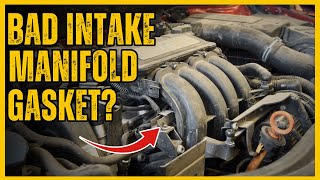
While there are no direct recalls for the intake manifold gasket itself on these models, there are related notices. A recall for 2000-2002 Wranglers with the 4.0L engine involved installing a debris shield over the manifold to prevent fires, highlighting the high-heat environment. For the 3.8L V6 in 2007-2011 JKs, leaking lower intake manifold gaskets are a very common problem discussed by owners in forums. This leak can present as both an oil and coolant leak, sometimes at the same time. 🎬 See how to diagnose a leaking lower intake manifold gasket. There is also a Technical Service Bulletin (TSB) related to porous castings on the timing cover that can be misdiagnosed as a gasket leak.
Frequently Asked Questions (FAQ)
Do I need to use RTV sealant with my new gaskets?
Yes, for the 3.8L V6 engine, a small bead of RTV sealant is typically required at the corners where the engine block and cylinder heads meet to ensure a complete seal. The 4.0L gasket generally does not require sealant, but always follow the specific instructions included with your new gasket set.
Should I replace anything else while changing the intake gasket?
Yes. Since you will have the cooling system drained and the top of the engine disassembled, it's a great time to replace the thermostat and coolant. On 3.8L V6 models, inspect the upper and lower radiator hoses and consider replacing the valve cover gaskets if they show any signs of leaking.
What is the difference between upper and lower intake gaskets on the 3.8L V6?
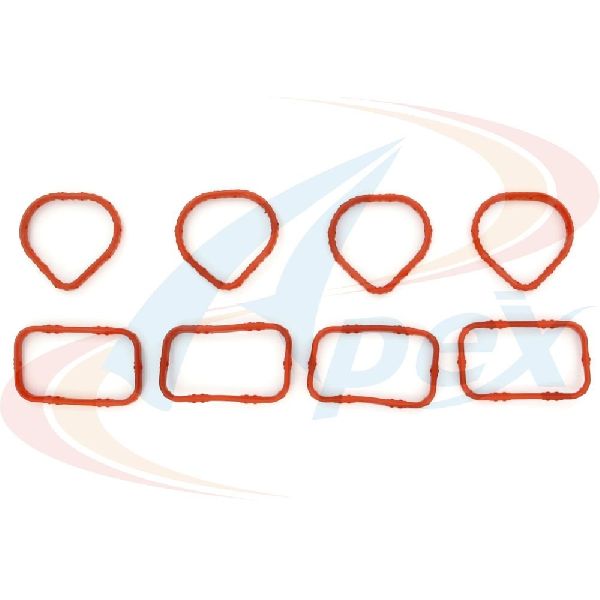
The 3.8L V6 has a two-piece intake manifold. The lower gasket seals the lower manifold to the cylinder heads, handling both air and coolant flow. The upper gasket (or plenum gasket) seals the upper manifold section to the lower section and is primarily for sealing air. Most comprehensive gasket sets include both.
Can a bad intake gasket cause a Check Engine Light?
Yes. A vacuum leak caused by a bad gasket can throw off the air-fuel ratio, triggering codes like P0171 (System Too Lean) or P0300 (Random Misfire). Coolant leaking into the engine can also cause misfires and other serious issues.
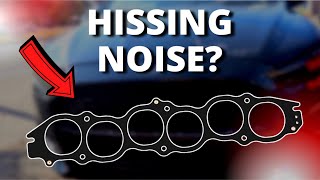
🎬 Watch this video to identify common bad intake gasket symptoms.Helpful Videos
Technical Specifications
OEM Part Numbers: 4781034AB (for 3.8L V6) 04854036AC (for 4.0L I6)
Gasket sets for the 3.8L V6 include upper and lower gaskets. The gasket for the 4.0L I6 is a single-piece combination intake/exhaust gasket.
We Have This Part in Stock


The information in this article is provided for general reference and educational purposes only. Vehicle specifications, procedures, and part compatibility can vary by production date, trim level, and region. Always consult your vehicle's factory service manual and verify part numbers before purchasing or performing repairs. Safety-critical components such as airbags, seat belts, and braking systems should be installed by a qualified professional.
- Jeep Wrangler: