

Ford Crown Victoria Fuel Pressure Sensor Guide for 2003-2011 Models
Solve stalling, hard starts, and Check Engine Light issues on your Crown Victoria by understanding its fuel pressure sensor.
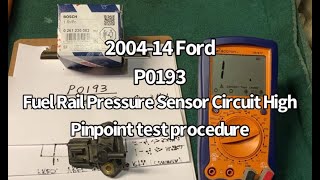
- A failing sensor causes stalling, hard starts, and poor performance with codes P0191 or P0193.
- This is a DIY-friendly repair, but you must relieve fuel pressure first and check for leaks after installation to prevent fire.
- Bosch is an OEM supplier for this part, making it a top-tier choice; Standard Ignition is a reliable alternative.
- Always inspect the sensor's electrical connector for corrosion or damage, as it can mimic sensor failure.
Is Your Crown Victoria Stalling or Running Rough?

A failing fuel pressure sensor can cause a range of frustrating problems. Because it directly controls how much fuel the engine gets, a bad sensor can starve the engine of fuel or cause it to run too rich. Owners often report a Check Engine Light first, sometimes with no other symptoms. However, issues like stalling at red lights, difficulty starting, and a noticeable loss of power are common signs of a failing sensor.
NHTSA Recall Information
Ford issued recall 14S27 (NHTSA ID: 14V-774) for some Crown Victoria models because the fuel pressure sensor may have been installed incorrectly from the factory. This could cause a dangerous fuel leak, increasing the risk of a fire. The fix was to replace the entire fuel supply tube assembly. While this recall campaign is old, it highlights the importance of ensuring your sensor is installed correctly and not leaking. Any smell of fuel after a replacement is a sign to stop the engine immediately and re-check your work.
Symptoms of a Bad Fuel Pressure Sensor

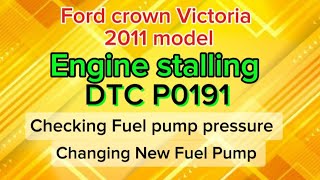
- Check Engine Light: The most common symptom, often with codes P0191 or P0193. 🎬 Watch: Diagnosing a P0191 code and engine stalling issues.
- Engine Stalling: The engine may stall when you come to a stop or even while driving.
- Hard Starting: The engine may crank for a long time before it starts, or it may not start at all.
- Rough Idle: The engine may shake or stumble when idling.
- Poor Performance: You may notice sluggish acceleration, hesitation, and a general lack of power.
- Worse Fuel Economy: An incorrect fuel mixture caused by a bad sensor can lead to burning more gas than necessary.
Choosing the Right Aftermarket Sensor

When replacing this sensor, quality matters. A cheap, poorly made sensor can fail quickly or provide inaccurate readings, leading to the same problems you were trying to fix. It's better to spend a little more on a quality part than to do the job twice.
- Tier 1 (OEM Quality): Bosch
Bosch is an original equipment manufacturer (OEM) for this exact Ford part. Choosing a Bosch sensor is the closest you can get to buying the part from a Ford dealer without the dealership price tag. It is built to the original factory specifications for performance and longevity. - Tier 2 (High-Quality Aftermarket): Standard Ignition (SMP)
Standard Motor Products is a well-respected aftermarket brand known for producing reliable parts that often meet or exceed OEM standards. Their sensors are a dependable choice and a solid alternative to OEM. - Tier 3 (Standard Aftermarket): Holstein
Holstein is a brand that offers a more budget-friendly option. While it may meet the basic requirements, it may not have the same long-term durability or precise calibration as OEM or top-tier aftermarket brands.
Cost of Replacing a Fuel Pressure Sensor (2003-2011 Crown Victoria)
| Part Type | Estimated Cost |
|---|---|
| New OEM (Motorcraft/Ford) | $86 - $140 |
| New Aftermarket | $75 - $147 |
| Shop Labor | $90 - $150 |
Pro Tip: Check the Connector First!
Before you replace the sensor, inspect the electrical connector and wiring that plugs into it. A corroded or damaged connector pigtail can cause the exact same symptoms as a bad sensor. If the connector looks green, burnt, or has loose pins, you may only need to replace the pigtail, 🎬 Watch: How to fix a Crown Vic that starts then stalls. not the whole sensor.
Frequently Asked Questions (FAQ)

Can I replace the fuel pressure sensor myself?
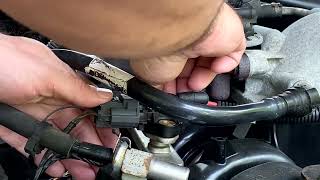
Yes, this is a DIY-friendly job for those with basic mechanical skills. The sensor is located on top of the engine on the fuel rail and is held by two bolts. The most important step is to safely relieve the fuel pressure before you start and to check for leaks after you are done. The job typically takes less than an hour.
🎬 See this step-by-step walkthrough for replacing the sensor yourself.Where is the fuel pressure sensor located?
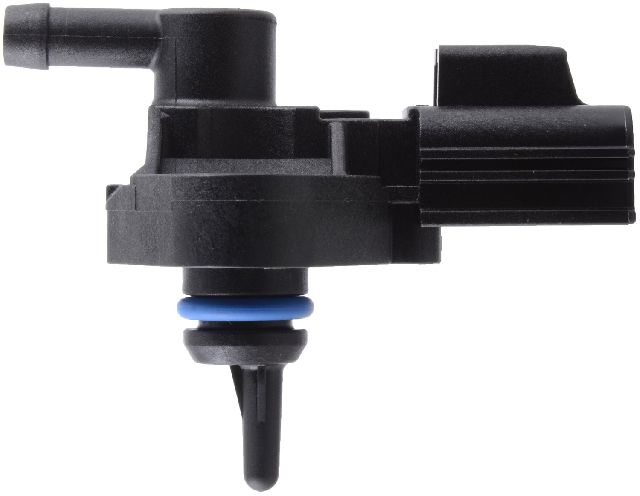
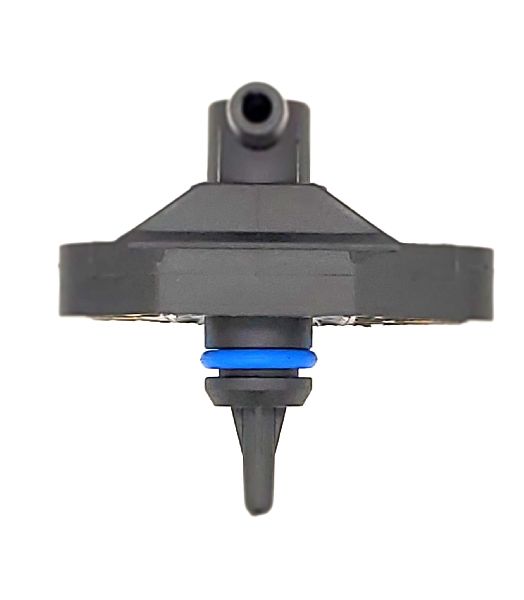
You can find the fuel pressure sensor mounted directly on the fuel rail, which is the metal tube that distributes fuel to the injectors on top of the engine. It has an electrical connector and a small vacuum hose attached to it.
What happens if I don't replace a bad fuel pressure sensor?
Ignoring a bad sensor can lead to more serious issues. The engine may become very difficult to start or may stall in traffic, which is a safety hazard. Persistently incorrect fuel mixtures can also potentially damage other components like the catalytic converter over time.
Could something else cause a P0191 or P0193 code?
Yes. While the sensor is a common cause, these codes can also be triggered by a failing fuel pump, a clogged fuel filter, a bad Fuel Pump Driver Module (FPDM), or a problem with the wiring. It's important to diagnose the problem correctly instead of just replacing parts.
Helpful Videos
Technical Specifications
OEM Part Numbers: 3F2Z-9G756-AC CM5229
We Have This Part in Stock


The information in this article is provided for general reference and educational purposes only. Vehicle specifications, procedures, and part compatibility can vary by production date, trim level, and region. Always consult your vehicle's factory service manual and verify part numbers before purchasing or performing repairs. Safety-critical components such as airbags, seat belts, and braking systems should be installed by a qualified professional.
- Ford Crown Victoria: