

Mercury Mountaineer ABS Wheel Speed Sensor Guide (2003-2010)
Fixing your ABS and AdvanceTrac lights? This guide is for your 2003-2010 Mercury Mountaineer.
- A bad ABS sensor is a very common failure and will disable your ABS, traction control, and AdvanceTrac systems.
- For 2006-2010 models, always inspect the rear ABS tone rings for cracks before replacing a rear sensor; this is a frequent misdiagnosis.
- Confirm your sensor's location before buying: 2003-2005 models may have a single rear sensor on the differential.
- Choosing a premium aftermarket brand like Bosch, Delphi, or NGK/NTK offers OEM-level quality for less than the dealer price.
Is Your Mountaineer's ABS Light On?
If the ABS, traction control, or "Check Advancetrac" light is on in your 2003-2010 Mercury Mountaineer, a faulty ABS wheel speed sensor is a very common cause. These sensors live in a harsh environment near the wheels, exposed to heat, water, and road debris, which leads to their eventual failure. This guide will help you understand the symptoms, choose the right replacement part, and avoid common mistakes.
Symptoms of a Bad ABS Sensor
A failing wheel speed sensor doesn't just turn on a light; it can affect how your vehicle drives and brakes. Look out for these signs:
- ABS and Traction Control Lights: The most obvious symptom is the illumination of the ABS and traction control warning lights on your dashboard.
- Disabled Safety Systems: Your anti-lock brakes, traction control, and AdvanceTrac stability control will likely be disabled until the issue is fixed.
- Braking Problems: You might feel a pulsating brake pedal or notice the ABS engaging unnecessarily at low speeds. In some cases, braking distance can increase.
- Grinding or Hesitation: Some owners report a grinding noise or a feeling of hesitation, especially while turning, as the traction control system incorrectly tries to apply the brakes.
Known Issue for 2006-2010 Models: Cracked Rear Tone Rings
Before you replace a rear ABS sensor on a 2006-2010 Mountaineer, inspect the ABS tone ring (a toothed ring on the axle shaft). These are known to crack or become loose. A cracked ring will send an erratic signal that the computer interprets as a bad sensor, even if the sensor itself is fine. This is a very common point of failure on this platform.
Choosing the Right Aftermarket Sensor
You don't have to buy the most expensive part, but for a critical safety component like an ABS sensor, brand quality matters. Here’s a breakdown of your options, from premium to budget-friendly.
Tier 1: OEM & Premium Aftermarket
These brands are either the original equipment manufacturer or are widely trusted to meet or exceed OEM quality. They are the safest bet for a reliable, long-lasting repair.
- Motorcraft: This is Ford's official parts brand and the original part that came on your Mountaineer. It's the benchmark for fit and quality.
- Bosch: A world leader in automotive electronics and an OEM supplier to many brands, including Ford. Bosch was a pioneer in ABS technology, and their sensors are considered a top-tier choice.
- Delphi: Another major OEM supplier known for high-quality electronic components that are on par with factory parts.
- NGK/NTK: While famous for spark plugs (NGK), their sensor line (NTK) is also highly respected and often supplies the original parts for many vehicles.
Tier 2: Reputable Aftermarket
These brands offer a good balance of quality and price. They are a solid choice for most DIY repairs.
- Standard Ignition (SMP): A long-standing brand with a generally good reputation. They are known to sometimes repackage OEM parts, offering excellent value.
- Holstein: This brand focuses on using quality materials and offers a good warranty, making them a dependable alternative to more expensive options.
- Walker Products: Promotes its sensors as being rigorously tested and built to OE specifications, making them a reliable choice.
Tier 3: Budget-Friendly
These brands are widely available and very affordable, but quality can be inconsistent.
- Dorman: Dorman is known for making a vast array of aftermarket parts. While their sensors will fit and function, their electrical components have a reputation for mixed quality among professional mechanics. It's an economical choice, but may carry a higher risk of premature failure.
Common Ordering Mistake: Rear Sensor Location
Be careful when ordering a rear sensor. 2003-2005 models without stability control may use a single sensor mounted on the rear differential. 2006-2010 models (and earlier models with stability control) use two separate sensors, one at each rear wheel. Always verify the location on your specific vehicle before ordering.
Cost of Replacing an ABS Wheel Speed Sensor
| Part Type | Estimated Cost |
|---|---|
| New OEM (Motorcraft) | $75 - $150 |
| New Aftermarket | $39.50 - $131.01 |
| Shop Labor | $100 - $150 |
Cost estimates are approximate and can vary by location and supplier.
Frequently Asked Questions
Can I replace just one ABS sensor?
Yes. You only need to replace the sensor that has failed. The other sensors do not need to be replaced at the same time.
How do I know which sensor is bad?
The most reliable way is to use an OBD-II scanner that can read ABS codes. The code will tell you which specific wheel sensor is reporting a fault (e.g., 'Right Front Wheel Speed Sensor Circuit Malfunction'). Many auto parts stores will scan your codes for free.
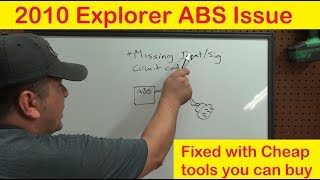
🎬 Watch: How to diagnose ABS problems using affordable tools.Is replacing an ABS sensor a DIY job?
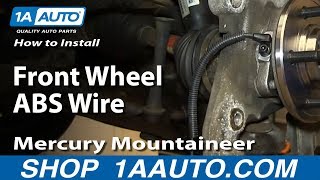
For most people with basic hand tools, yes. The sensor is typically held in by a single bolt and has an electrical connector. The most difficult part is often safely lifting and supporting the vehicle and removing the wheel. For rear sensors on 2006-2010 models, remember to check the tone ring first.
What are the TSBs for this problem?
Ford issued several Technical Service Bulletins (TSBs) for the sister vehicle, the Ford Explorer, for the ABS light being on with codes like C1235, C1236, and C1237, which relate to wheel speed sensor faults. This confirms it's a widely recognized issue.
Helpful Videos
Technical Specifications
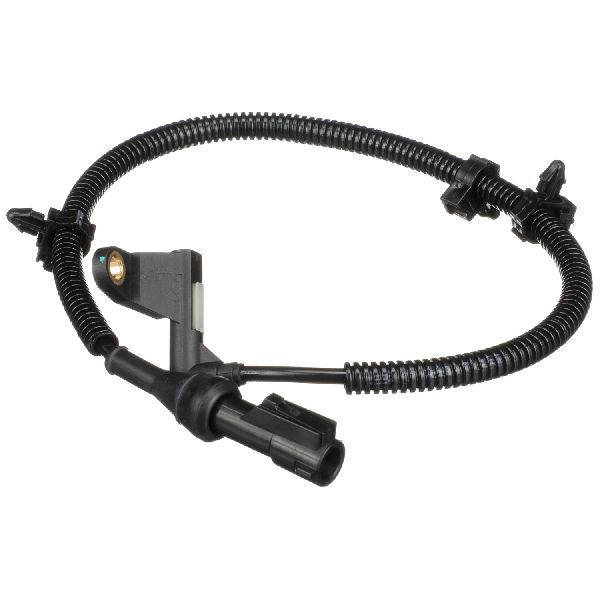
OEM Part Numbers: BRAB30 YL5Z2C204AB BRAB355 DG1Z2C204A
Sensors can be front, rear, or rear-center (differential mounted). Connector type and wire length are specific to location and year. Later models use active Hall-effect sensors.
We Have This Part in Stock


The information in this article is provided for general reference and educational purposes only. Vehicle specifications, procedures, and part compatibility can vary by production date, trim level, and region. Always consult your vehicle's factory service manual and verify part numbers before purchasing or performing repairs. Safety-critical components such as airbags, seat belts, and braking systems should be installed by a qualified professional.
- Mercury Mountaineer: