

Chevrolet C6500 Kodiak Radiator (2003-2009): A Complete Replacement Guide
Keep your medium-duty truck's engine cool and prevent costly damage by understanding your radiator replacement options.
- The most common radiator failure is a leak where the plastic side tanks meet the aluminum core.
- Consider replacing the thermostat at the same time as the radiator to prevent future failures.
- Aftermarket radiators offer good value, with options from standard replacements (Spectra) to durable all-aluminum units.
- Driving with an overheating engine can cause catastrophic damage; do not ignore a rising temperature gauge.
Signs of a Failing Radiator in Your C6500 Kodiak
A failing radiator on a work truck like the C6500 Kodiak can quickly lead to major downtime. Watch for these clear warning signs that your radiator needs attention.
- Engine Temperature Gauge Climbing: The most obvious sign. If your temperature gauge is creeping higher than normal, especially under load, your cooling system is struggling.
- Visible Coolant Leaks: You might see puddles of brightly colored fluid (green, orange, or pink) under the front of your truck. On these trucks, leaks often start where the plastic side tanks are attached to the aluminum center part (the core).
- Sweet Smell: If you smell something sweet, like syrup, coming from your engine bay, it's likely leaking coolant.
- Low Coolant Level: Constantly having to top off the coolant in the overflow tank is a sure sign of a leak somewhere in the system.
- White Residue or Corrosion: Look at the radiator itself. White, chalky stains or rust-colored areas on the fins or seams indicate a slow leak that has been evaporating.
A Note on Thermostat-Related Failures
On many GM trucks, a faulty thermostat can get stuck or cycle too often. This causes repeated, rapid temperature and pressure changes inside the radiator, stressing the metal and plastic. This can lead to cracks and leaks, especially where the tubes connect to the main body of the radiator. If you're replacing the radiator, it is a very good idea to replace the thermostat at the same time.
Choosing the Right Aftermarket Radiator
You don't have to pay dealer prices for a new radiator. Aftermarket parts offer good value, but it's important to know what you're buying. For the C6500 Kodiak, radiators generally fall into two categories based on your budget.
Tier 1: Standard Replacement (Plastic & Aluminum)
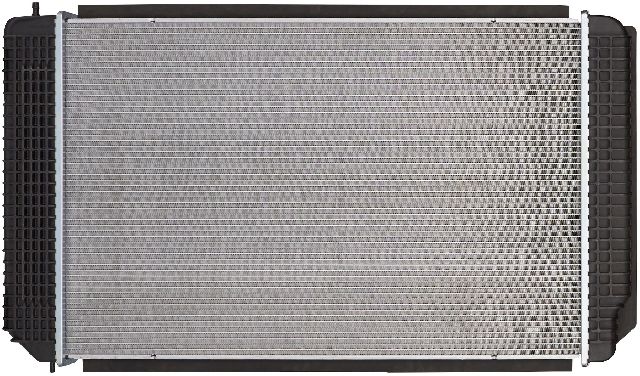
This is the most common and affordable type of aftermarket radiator. Brands like Spectra offer radiators that are designed to be a direct fit and perform like the original part. They typically use plastic side tanks crimped onto an aluminum core, just like the factory radiator. For most users, a quality standard replacement is a perfectly good choice that balances cost and performance.
Tier 2: Heavy-Duty & All-Aluminum
The higher end of the price range includes heavy-duty options. These are often all-aluminum radiators, which get rid of the plastic tanks—the most common failure point. An all-aluminum radiator offers better durability and can sometimes provide improved cooling, which is a benefit if your truck works in extreme conditions or has been modified for more power. Brands like One Stop Solutions may fall into either category, often representing a value-focused option that meets original specifications.
Pro Tip: Before you order, double-check your truck's specific features. Does it have an engine oil cooler or a transmission cooler built into the radiator? Radiators are built to match these specific configurations, so getting the right one is essential for a simple installation.
Estimated Replacement Costs
Here is a general idea of what you can expect to pay. Prices vary based on your location, the specific brand, and the shop's labor rates.
| Part or Service | Estimated Cost |
|---|---|
| New Aftermarket Radiator | $438 - $1,755 |
| Shop Labor | $400 - $700 |
| Total Estimated Cost | $838 - $2,455 |
Frequently Asked Questions
Is it hard to replace the radiator on a C6500 Kodiak myself?
For a professional mechanic, it's a straightforward job. For a DIYer, it's challenging. The parts are large and heavy, and you'll be dealing with a lot of coolant. You need proper tools, a way to safely lift the cab or access the engine, and a method to catch several gallons of coolant. If you're not experienced with heavy-duty trucks, it's best to leave this job to a professional.
Should I buy an all-aluminum radiator?
If your budget allows, an all-aluminum radiator is a great upgrade for durability. By eliminating the plastic tanks, you remove the most common point of failure. For a hard-working commercial truck, this can mean better long-term reliability. However, a quality standard replacement is often sufficient for normal use.
What kind of coolant should I use in my C6500 Kodiak?
Always use the coolant type specified in your owner's manual or on the coolant reservoir cap. Using the wrong type can cause corrosion and damage the new radiator and other parts of the cooling system. Most GM trucks of this era use a long-life coolant like Dex-Cool.
Can I just use a stop-leak product?
Stop-leak products should only be considered a temporary, emergency fix to get you to a repair shop. They are not a permanent solution. These products can clog the small passages in your radiator and heater core, leading to worse overheating problems down the road.
Technical Specifications
OEM Part Numbers: 239023 239022
Core materials typically consist of an aluminum core with plastic tanks for standard replacements, or all-aluminum construction for heavy-duty models. Core dimensions for this truck are large, often around 37" x 19" x 2". Inlet and outlet connections must match the original configuration for your specific engine and options.
We Have This Part in Stock


The information in this article is provided for general reference and educational purposes only. Vehicle specifications, procedures, and part compatibility can vary by production date, trim level, and region. Always consult your vehicle's factory service manual and verify part numbers before purchasing or performing repairs. Safety-critical components such as airbags, seat belts, and braking systems should be installed by a qualified professional.
- Chevrolet C6500 Kodiak: