

A Guide to Aftermarket Brake Pads for the 2003-2009 BMW 760Li
Choose the right brake pads to maintain the quiet, powerful stopping performance your V12 7-Series deserves.
- Always replace the front and rear brake wear sensors when changing your pads; they are one-time use items.
- Choose your aftermarket pad material based on your priorities: stick with OEM-style (Textar, Pagid) for original feel, or switch to ceramic (Akebono) for low dust.
- Properly bedding-in new brake pads is a critical step to ensure quiet, effective braking and prevent future vibration issues.
- While no major recalls exist for the pads on this model, be aware that the electronic parking brake system can be a separate point of failure on the E65/E66 chassis.
Is it time for new brake pads?
Your 760Li is equipped with a sophisticated system to let you know when your brakes need service. Pay attention to these signs to keep your braking system in top shape.
Symptoms of Worn Brake Pads:
- Brake Warning Light: The most obvious sign is a red or yellow brake warning on your dashboard. This is triggered by a brake wear sensor when the pad material gets too low. Once this light is on, the sensor must also be replaced.
- Squealing or Grinding Noises: A high-pitched squeal when you apply the brakes is a common indicator that the pads are thin. If you hear a loud grinding or scraping sound, it means the pads are completely worn out, and metal is grinding against metal. This is a critical safety issue that can damage your brake rotors.
- Vibrations in the Pedal or Steering Wheel: If you feel a pulsing or vibration when braking, it could mean your brake rotors have been warped by heat from worn pads.
- Reduced Stopping Power: If your car takes longer to stop than it used to, or the brake pedal feels soft and spongy, your brake pads may be worn out.
Pro Tip: Always Replace Brake Wear Sensors
Your 2003-2009 760Li has two brake wear sensors: one on the front driver's side and one on the rear passenger's side. These are single-use items. If your brake warning light has come on, you must replace the sensor along with the pads. It's good practice to replace them during any brake job, as the plastic can become brittle with age.
Choosing the Right Aftermarket Brake Pads
The original brake pads on your BMW were likely made by Textar or Pagid and are a semi-metallic compound. These offer excellent stopping power but are known for producing a lot of brake dust. Aftermarket pads give you options to match your driving style and preferences.
Brand & Material Tiers:
- OEM-Equivalent (e.g., Textar, Pagid, ATE, Brembo): These brands are Original Equipment (OE) suppliers to BMW and other German automakers. Choosing pads from these brands will give you performance very similar to the stock pads. They provide a strong initial bite but expect similar amounts of brake dust as the original pads.
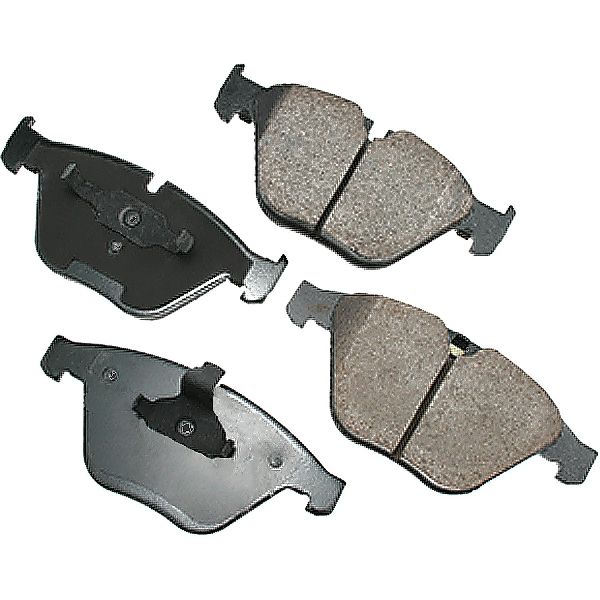
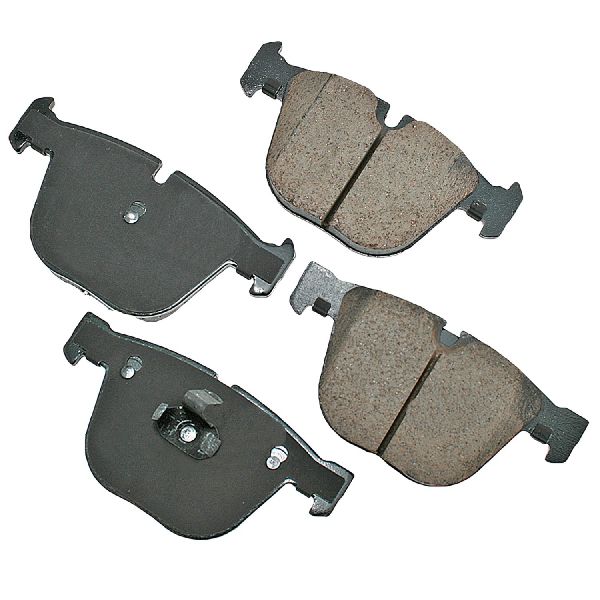
- Low-Dust Ceramic (e.g., Akebono, Bosch QuietCast, Wagner OEX): If you're tired of cleaning your wheels, ceramic pads are an excellent choice. Akebono is highly recommended in owner forums for its significant reduction in brake dust and quiet operation. The trade-off can be a slightly less aggressive initial bite compared to semi-metallic pads, but for daily driving, the performance is more than adequate and still very safe.
- High-Performance (e.g., Hawk, EBC Brakes): For owners who drive more aggressively or want the absolute maximum stopping power, performance-oriented pads are an option. Brands like Hawk and EBC (with their YellowStuff or BlueStuff lines) offer higher friction levels that perform better under extreme heat. Be aware that these pads often create more noise and dust than OEM pads and can wear rotors faster.
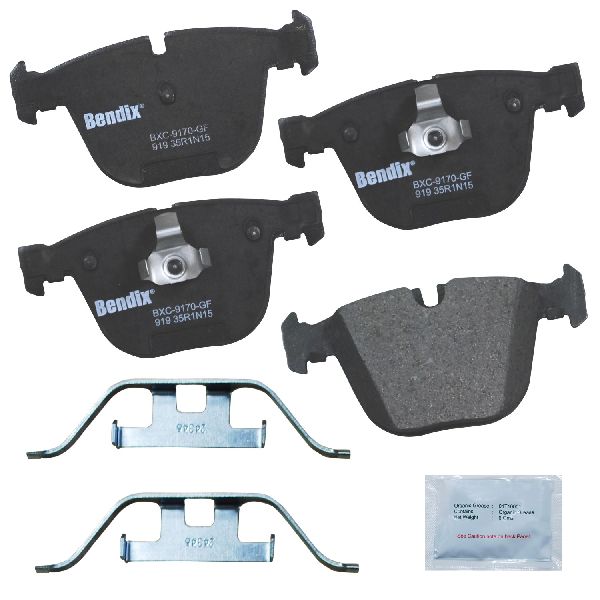
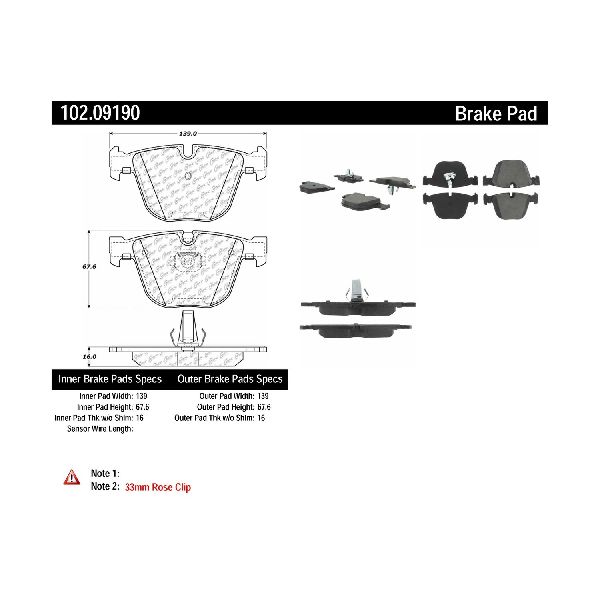
- Budget-Friendly (e.g., Dynamic Friction, Centric, Raybestos): These brands offer a cost-effective solution for replacement. They meet safety standards and are a good value, though they may not offer the same level of refinement (in terms of noise or dust) or longevity as premium brands.
Warning: Don't Forget to Bed-In Your New Brakes!
Properly bedding-in your new brake pads is crucial for performance and longevity. This process involves a series of controlled stops to transfer an even layer of friction material from the pads to the rotors. Failing to do this can lead to brake judder and reduced stopping power. Always follow the manufacturer's specific bedding-in procedure.
Cost of Replacing Your Brake Pads
| Part/Service | Estimated Cost |
|---|---|
| New Aftermarket Disc Brake Pad Set (Front or Rear) | $28 - $308 |
| New OEM Disc Brake Pad Set (Front or Rear) | $110 - $200 |
| Brake Wear Sensors (2 required) | $15 - $35 each |
| Shop Labor (per axle) | $150 - $300 |
Cost estimates are for one axle (front or rear) and do not include taxes, fees, or the cost of replacing brake rotors, which is often recommended.
Frequently Asked Questions
Do I need to replace my rotors at the same time as my pads?
It is often recommended, but not always necessary. A mechanic will measure the rotor's thickness to see if it's still within the minimum specification stamped on the rotor itself. If the rotors are warped (causing vibration), have deep grooves, or are too thin, they must be replaced. As a rule of thumb, you can sometimes get two sets of pads out of one set of rotors.
What's the difference between ceramic and semi-metallic pads?
Semi-metallic pads (like the BMW originals) use metal fibers to provide strong stopping power and handle heat well, but they create a lot of black dust. Ceramic pads use dense ceramic material and copper fibers. They are much cleaner, quieter, and provide smooth, consistent braking, though they may have a slightly less aggressive initial "bite" when cold.
Can I replace the brake pads myself?
Yes, if you have the right tools and mechanical experience, this is a manageable DIY job. You will need a jack and jack stands, a 17mm socket for the wheels, specific hex or Torx bits for the caliper bolts, a brake piston compression tool, and a torque wrench. There are many video guides available online for the E65/E66 chassis that show the process step-by-step. If you are not confident, it is always safest to have a professional mechanic do the work.
Why are my new brakes squeaking?
New brakes can sometimes squeak for a few reasons. It could be that the pads haven't fully bedded-in yet. It could also be due to a lack of proper lubrication on the back of the pads or on the caliper slide pins during installation. High-performance or race-compound pads are also naturally noisier. If the noise persists after a few hundred miles, have them inspected.
Technical Specifications
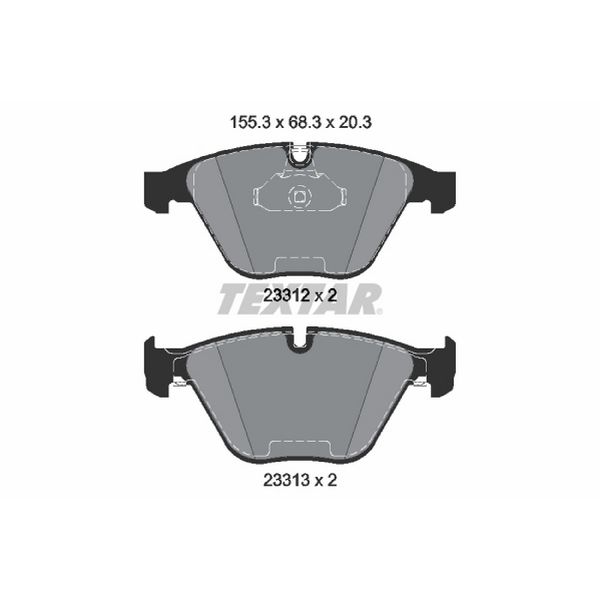
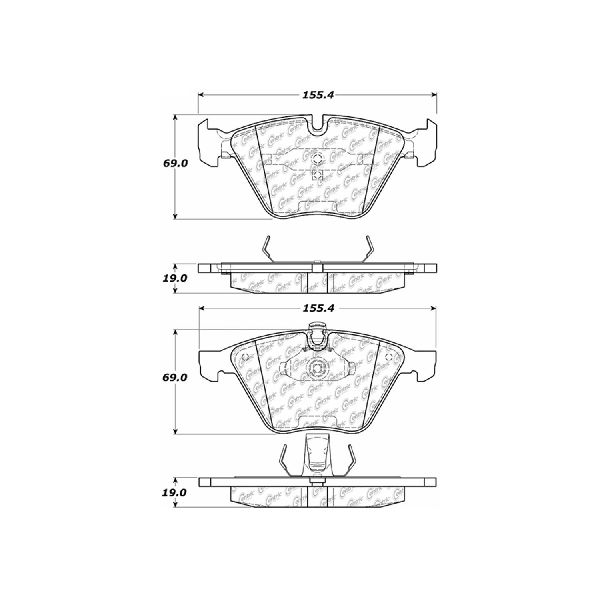
OEM Part Numbers: Front: 34116794915 Rear: 34216790966, 34216768471
The system uses one brake wear sensor on the front-left (driver side) and one on the rear-right (passenger side). The electronic parking brake acts on the rear wheels and is a known potential issue on the E65/E66 platform.
We Have This Part in Stock

The information in this article is provided for general reference and educational purposes only. Vehicle specifications, procedures, and part compatibility can vary by production date, trim level, and region. Always consult your vehicle's factory service manual and verify part numbers before purchasing or performing repairs. Safety-critical components such as airbags, seat belts, and braking systems should be installed by a qualified professional.
- BMW 760Li: