

2003-2008 Nissan Murano Oxygen Sensor: A Guide to Replacement
Getting a check engine light? Your Murano's oxygen sensor might be the problem—here's how to choose the right replacement.
- For best results, use a direct-fit oxygen sensor from an OEM brand like Denso or NGK/NTK.
- The Bank 1 (firewall side) upstream sensor is extremely difficult to replace and may require a professional.
- Always use a code scanner first to confirm which of the four sensors has failed.
- Ignoring a bad O2 sensor can lead to costly catalytic converter damage over time.
Is Your Murano's Oxygen Sensor Failing?

A bad oxygen (O2) sensor can cause several noticeable problems. The most common sign is a check engine light on your dashboard. You might also experience poor gas mileage, a rough idle, or hesitation when you accelerate. In some cases, you may notice a sulfur or "rotten egg" smell from the exhaust or even see black smoke. Ignoring these symptoms can lead to a much more expensive problem: a damaged catalytic converter.
Locating the Correct Sensor

Your Murano's 3.5L V6 engine has four O2 sensors, and it's crucial to replace the correct one. The engine has two cylinder banks:
- Bank 1 is the set of cylinders located near the firewall (the wall between the engine and the cabin).
- Bank 2 is the set of cylinders located near the radiator at the front of the vehicle.
Each bank has two sensors:
- Sensor 1 is the "upstream" sensor, located on the exhaust manifold before the catalytic converter. This sensor affects the air-fuel mixture.
- Sensor 2 is the "downstream" sensor, located after the catalytic converter. This sensor monitors the converter's efficiency.
For example, a code for "Bank 1, Sensor 2" refers to the downstream sensor on the firewall side of the engine.
Choosing the Right Aftermarket Oxygen Sensor

When it comes to oxygen sensors for your Murano, not all brands are created equal. Using a quality sensor is important for proper engine function. Forum discussions among Nissan owners consistently show a preference for OEM brands to avoid compatibility issues.
Tier 1: OEM Quality
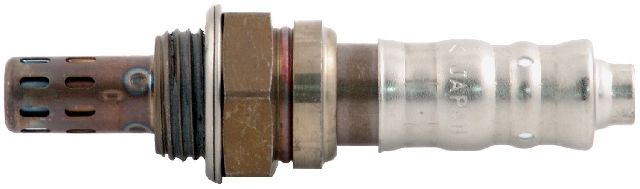
Denso & NGK (NTK): Denso and NGK (which sells sensors under the NTK brand) are the original equipment manufacturers for most Nissan vehicles. Choosing one of these brands is the safest bet for a part that will perform exactly like the original. They are highly recommended by mechanics and Nissan owners.
Tier 2: Trusted Aftermarket
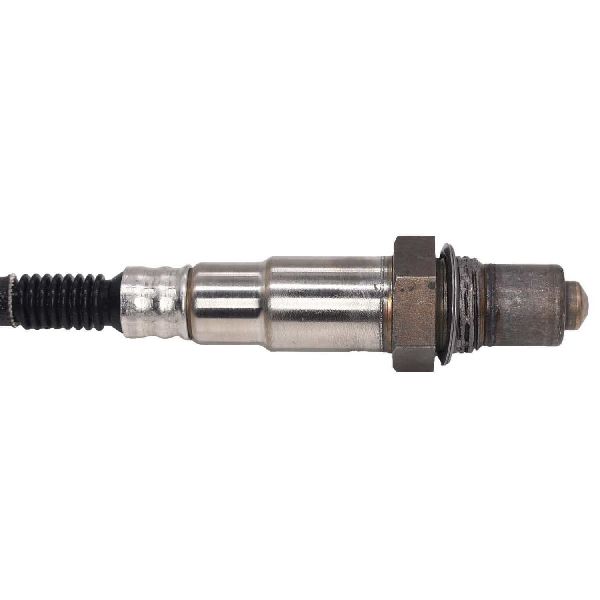
Bosch: Bosch invented the modern oxygen sensor and has a strong reputation for quality. While they are a top-tier brand, some Nissan owners prefer to stick with Denso or NTK to guarantee perfect compatibility with the vehicle's computer.
Tier 3: Budget-Friendly Options
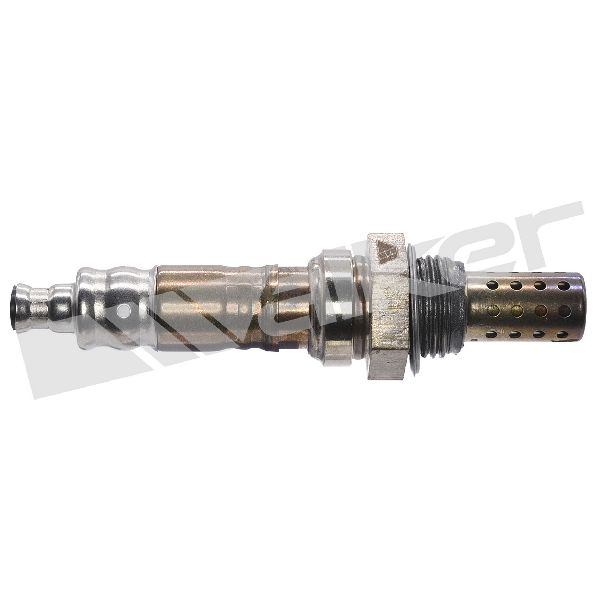
Delphi, Hella, Walker Products, Spectra, DriveWire: These brands offer a more affordable alternative. Walker Products is often seen as a decent balance of price and quality. However, budget sensors can sometimes have a shorter lifespan or cause compatibility issues. If your budget is tight, they can be a viable option, but be aware that OEM-quality brands are the most reliable choice for this vehicle.
Oxygen Sensor Replacement Cost

The cost to replace an oxygen sensor depends on the brand you choose and whether you do the work yourself. The Bank 1 (firewall side) upstream sensor is very difficult to access and will have a higher labor cost at a shop.
| Item | Estimated Cost |
|---|---|
| New Aftermarket O2 Sensor | $40 - $154 |
| New OEM O2 Sensor | $150 - $250 |
| Shop Labor | $100 - $350 |
Frequently Asked Questions
How many oxygen sensors does a 2003-2008 Nissan Murano have?
It has four oxygen sensors: two upstream (Bank 1 Sensor 1 and Bank 2 Sensor 1) and two downstream (Bank 1 Sensor 2 and Bank 2 Sensor 2).
Can I replace just one oxygen sensor?
Yes. You only need to replace the sensor that has failed. However, O2 sensors have a similar lifespan, so if one has failed due to high mileage, others may fail soon. It is often recommended to replace them in pairs (both upstream or both downstream).
Is this a difficult DIY job?
It depends on the sensor's location. The downstream sensors and the Bank 2 (front) upstream sensor are generally accessible with the right tools. However, the Bank 1 (rear) upstream sensor is extremely difficult to reach and may require special tools or even cutting a wrench to fit. This specific sensor is often a job best left to a professional.
Do I need a special tool to replace an O2 sensor?
Yes, an O2 sensor socket (a 22mm socket with a slot for the wire) is highly recommended. Using a standard wrench can be difficult and may damage the sensor or the wiring.
What are common error codes for a bad O2 sensor?
Common codes include P0138 (Bank 1 Sensor 2 high voltage), P0158 (Bank 2 Sensor 2 high voltage), and P0031 (Bank 1 Sensor 1 heater circuit fault). A code scanner is required to know which sensor is causing the check engine light.
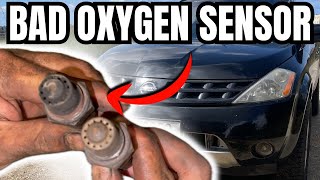
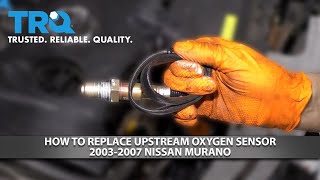
Helpful Videos

Technical Specifications
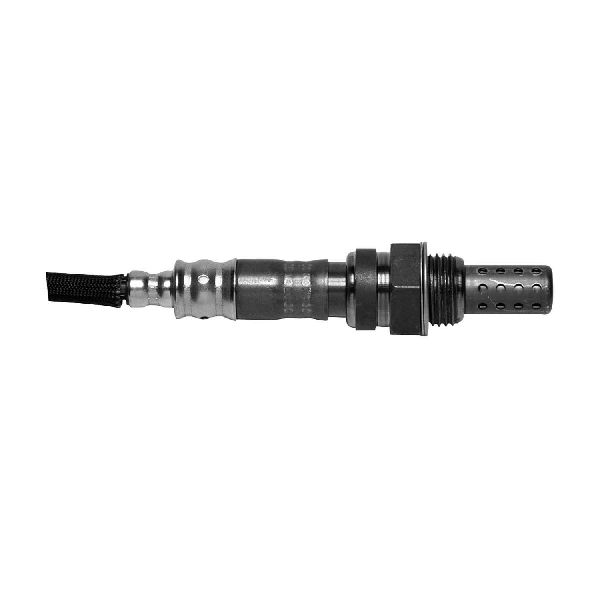
OEM Part Numbers: 22690-8J001 226A1AR210 226A1-8U700
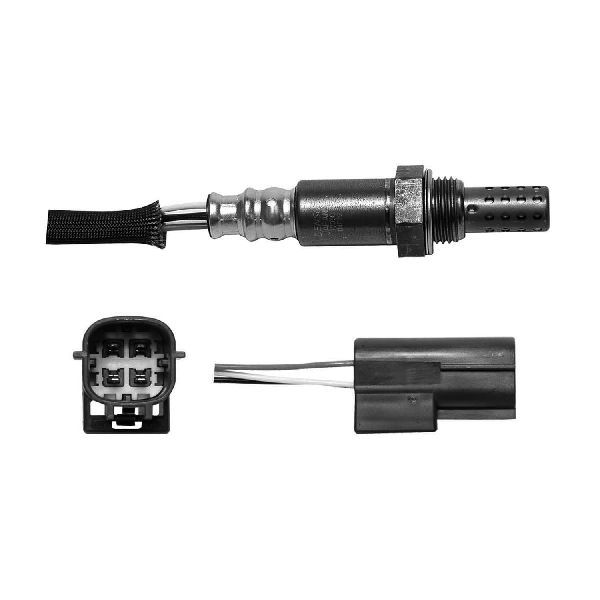
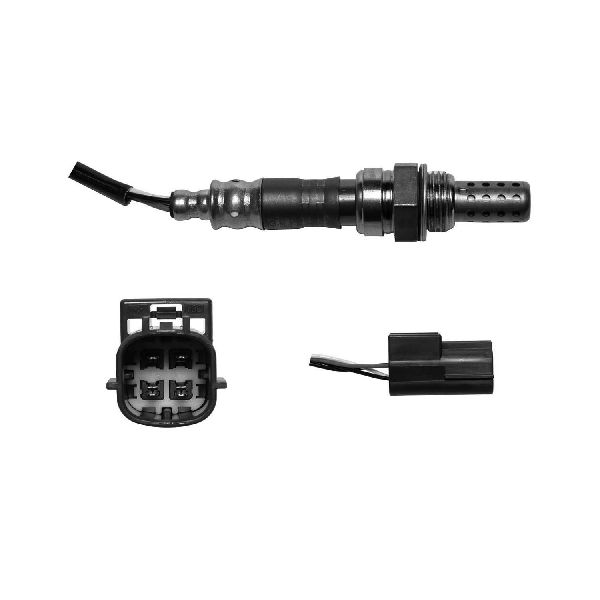
The 2003-2008 Murano uses a 3.5L V6 engine with four heated 4-wire oxygen sensors (two upstream air/fuel ratio sensors and two downstream monitoring sensors). Some very early 2003 models may have 6-wire upstream sensors, which is rare.
We Have This Part in Stock

The information in this article is provided for general reference and educational purposes only. Vehicle specifications, procedures, and part compatibility can vary by production date, trim level, and region. Always consult your vehicle's factory service manual and verify part numbers before purchasing or performing repairs. Safety-critical components such as airbags, seat belts, and braking systems should be installed by a qualified professional.
- Nissan Murano: