

A Complete Guide to the 2003-2008 Nissan Maxima Oxygen Sensor
Diagnose and choose the right replacement oxygen sensor to fix your Maxima's check engine light and performance issues.
- Your 2003-2008 Maxima has four oxygen sensors: two upstream for fuel control and two downstream for catalyst monitoring.
- For best results and to avoid repeat failures, use OEM-equivalent brands like Denso or NGK/NTK.
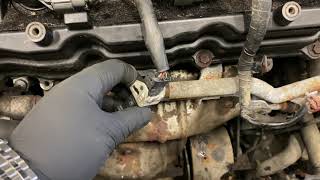
- Replacing the Bank 1 (firewall side) sensors can be difficult due to tight access.
- A failing downstream sensor can trigger a P0420 or P0430 code, which may not mean your catalytic converter is bad.
Symptoms of a Failing Oxygen Sensor

When an oxygen sensor starts to fail, your Maxima will give you several warning signs. Ignoring them can lead to more expensive repairs down the road, including damage to your catalytic converters.
- Check Engine Light: This is the most common symptom. A code reader will show specific codes related to the O2 sensor heater circuit or performance.
- Poor Fuel Economy: A faulty upstream sensor can cause the engine to run rich, burning more fuel than necessary. This can decrease your MPG by up to 40%.
- Rough Idle and Hesitation: Incorrect air-fuel mixture data can lead to a shaky idle, engine stumbling, or hesitation during acceleration.
- Rotten Egg Smell: A rich-running engine can produce an exhaust that smells like sulfur or rotten eggs, which indicates unburned fuel is reaching the catalytic converter.
- Failed Emissions Test: Both upstream and downstream sensors play a role in passing an emissions inspection. A failing sensor will almost guarantee a test failure.
Don't Ignore a P0420 or P0430 Code
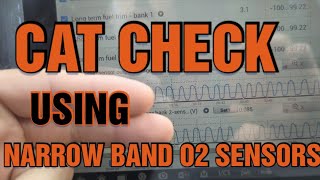
Error codes P0420 and P0430 mean "Catalyst System Efficiency Below Threshold." While this can mean a failed catalytic converter, it's often triggered by a lazy or failing downstream (Sensor 2) oxygen sensor. Always consider replacing the downstream sensor first, as it's a much cheaper potential fix.
🎬 Watch: How to diagnose and troubleshoot P0420 or P0430 codes.Choosing the Right Aftermarket Oxygen Sensor

Not all aftermarket sensors are created equal. For a sensitive engine management system like the one in your Nissan Maxima, the quality of the sensor matters. We've grouped the available brands into tiers to help you decide.
Tier 1: OEM-Equivalent (Recommended)
These brands are the original equipment manufacturers for Nissan, offering a direct-fit replacement with guaranteed performance and longevity. For the best results and to avoid compatibility issues, choosing from this tier is highly recommended.
- Denso: Widely regarded as the OEM supplier for many Nissan parts, including oxygen sensors. Choosing a Denso sensor is as close to buying the original part as you can get.
- NGK / NTK: NTK is the sensor division of NGK. They are another primary OEM supplier for Nissan and are known for their high-quality, reliable sensors.
Tier 2: Quality Aftermarket
These brands are well-known in the aftermarket and produce reliable parts. While generally good, some vehicle enthusiasts report that Japanese cars can be picky and sometimes have issues with non-OEM brands.
- Bosch: Bosch invented the automotive oxygen sensor and has a strong reputation. They are a solid choice and often more budget-friendly than OEM brands, though some forum users prefer to stick with Denso or NTK for their Nissans.
- Delphi: A reputable manufacturer of various automotive components. Their direct-fit sensors are a viable option.
Tier 3: Economy Brands
These brands offer the lowest price point, which can be tempting. However, they may not provide the same level of precision or durability as higher-tier brands, potentially leading to recurring check engine lights or a shorter lifespan.
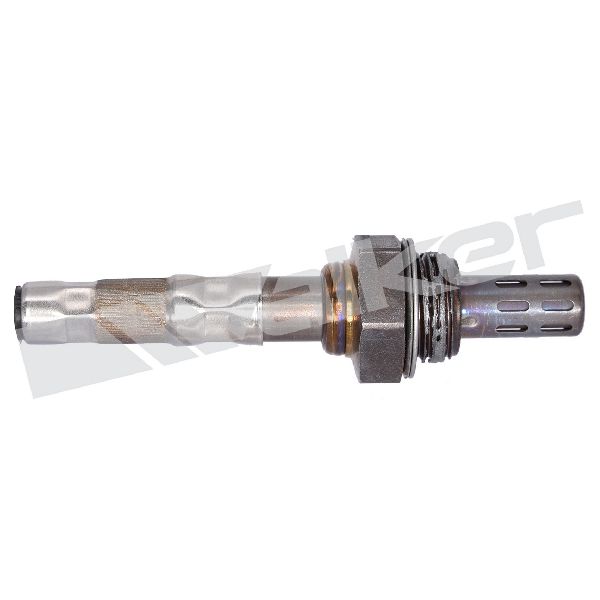
- DriveWire, Spectra, Walker Products, Vemo, Hella: These brands provide a budget-friendly alternative. They can be a solution if cost is the primary concern, but be aware that you may not get the same long-term, trouble-free performance as with an OEM-equivalent part.
Direct-Fit vs. Universal Sensors
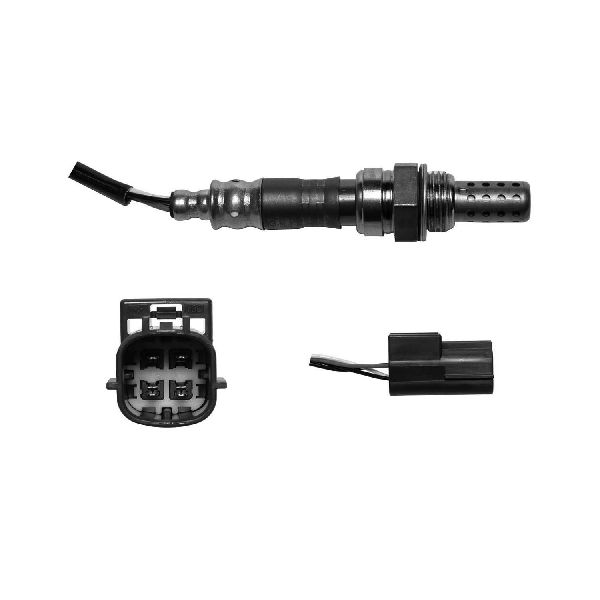
Always choose a "direct-fit" sensor. These come with the correct-length wire and factory-style connector for a simple plug-and-play installation. 🎬 Watch this video for a 2004 Maxima O2 sensor replacement guide. A "universal" sensor requires you to cut and splice wires, which can lead to connection problems and incorrect readings.
Frequently Asked Questions (FAQ)

How many oxygen sensors does my 2003-2008 Maxima have?
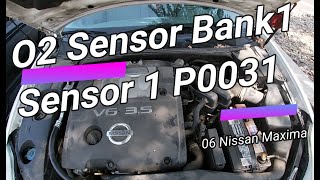
Your Maxima has four oxygen sensors. Two upstream (Bank 1 Sensor 1, Bank 2 Sensor 1) and two downstream (Bank 1 Sensor 2, Bank 2 Sensor 2). Bank 1 is the cylinder bank by the firewall, and Bank 2 is by the radiator.
What is the difference between upstream and downstream sensors?
Upstream sensors (Sensor 1) are located before the catalytic converter and are used by the engine computer to control the air-fuel mixture. Downstream sensors (Sensor 2) are after the catalytic converter and primarily monitor its performance for emissions compliance.
Can I clean my oxygen sensor?
While some online sources suggest cleaning, it is generally not recommended. The delicate internal components of the sensor can be damaged, and cleaning rarely provides a long-term fix. If the sensor is failing, replacement is the only reliable solution.
Are there any recalls for the oxygen sensors on my Maxima?
No. There are no specific recalls or technical service bulletins (TSBs) for oxygen sensor failure on the 2003-2008 Nissan Maxima. A recall for rear O2 sensors was issued for 2016 and newer models, but it does not apply to this generation.
Why is my check engine light still on after replacing the sensor?
If the light returns, ensure you used a high-quality sensor (Denso or NGK/NTK are recommended). Other potential causes include an exhaust leak, wiring harness damage, or a problem with the ECU itself. You must also clear the codes with a scan tool after replacement; they may not go away on their own immediately.
Helpful Videos
Technical Specifications
OEM Part Numbers: 22690-7S000 226A0-AR210 226A1-8J101
The 2003-2008 Nissan Maxima uses four heated oxygen sensors. The upstream sensors are wideband Air/Fuel Ratio sensors, while the downstream sensors are traditional narrowband oxygen sensors. All require a 22mm (or 7/8") wrench or specialized O2 sensor socket for removal.
We Have This Part in Stock
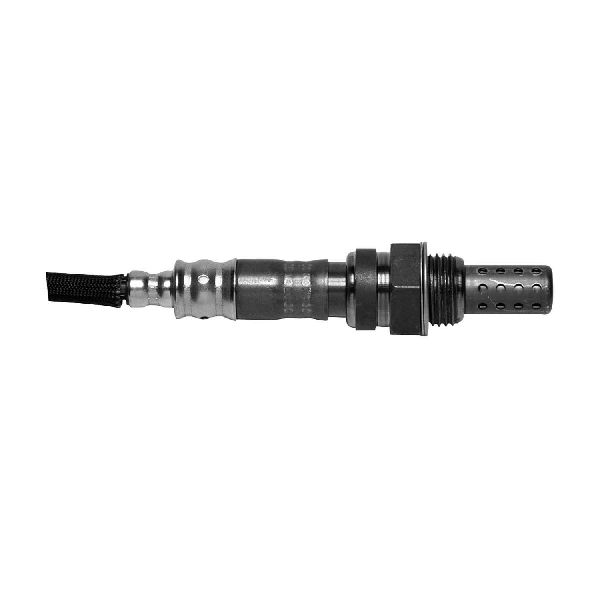
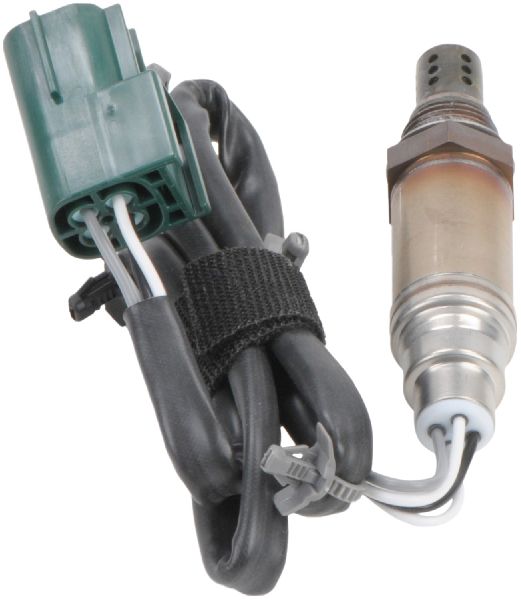
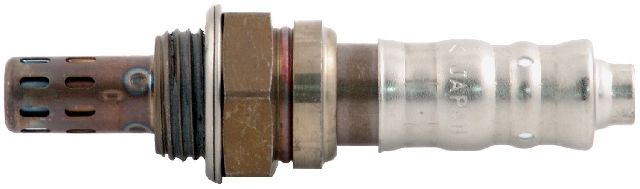
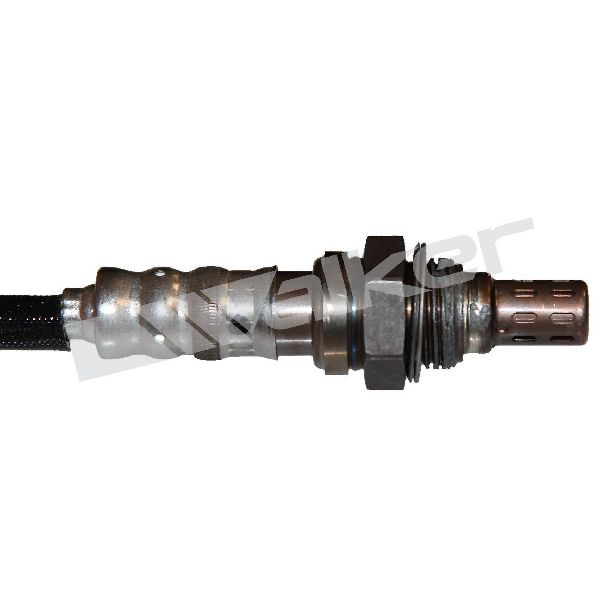

The information in this article is provided for general reference and educational purposes only. Vehicle specifications, procedures, and part compatibility can vary by production date, trim level, and region. Always consult your vehicle's factory service manual and verify part numbers before purchasing or performing repairs. Safety-critical components such as airbags, seat belts, and braking systems should be installed by a qualified professional.
- Nissan Maxima: