

Honda Pilot (2003-2008) Engine Crankshaft Position Sensor Guide
Having starting issues or a check engine light? Your Pilot's crankshaft sensor might be the problem.
- A failing crankshaft sensor will often cause a P0335 code and can lead to a no-start condition or stalling.
- For best results, use an OEM (Honda/Denso) or premium aftermarket brand like Hitachi or Delphi.
- Replacement is labor-intensive, requiring removal of the crankshaft pulley and timing belt cover.
- It is highly recommended to replace the timing belt, water pump, and tensioner at the same time as the sensor.
Is Your Pilot's Crankshaft Position Sensor Failing?

A bad crankshaft position sensor can cause problems that range from annoying to leaving you stranded. Because this sensor is so important for engine operation, when it starts to fail, the symptoms are usually noticeable. If the sensor fails completely, your Pilot's engine will crank but will not start. If it's failing intermittently, you might experience other issues while driving.
Brand Quality: OEM vs. Aftermarket Sensors
When replacing a critical sensor like this, the choice between Original Equipment Manufacturer (OEM) and aftermarket parts is important. For the 2003-2008 Honda Pilot, the original sensor is a high-quality part made by Denso.
| Brand Tier | Brands | Our Take |
|---|---|---|
| OEM / OEM-Equivalent | Genuine Honda, Hitachi | Hitachi is a known OEM supplier for many Japanese vehicles and is considered a top-tier choice for reliability and fit, often identical to the Genuine part without the dealer price tag. Choosing Genuine Honda or Hitachi is the safest bet for a long-lasting repair. |
| Quality Aftermarket | Delphi, Beck Arnley, Standard Ignition (SMP), Walker Products | These brands have a solid reputation in the aftermarket. Delphi is a major OE supplier for many car brands. Beck Arnley specializes in parts for foreign nameplates and aims to match OE form and function. Standard Motor Products is a long-standing aftermarket manufacturer. These are reliable choices if an OEM part isn't in the budget. |
| Economy Brands | Dorman, Holstein, True Tech, and other store brands | These brands offer a more budget-friendly option. Dorman provides direct replacement parts that match the function of the original. While they can be a good value, some professional mechanics and experienced DIY-ers report a higher failure rate with economy electronic sensors compared to OEM or premium aftermarket options. They can be a viable short-term solution or if budget is the primary concern. |
Known Issues for This Vehicle

No specific recalls or Technical Service Bulletins (TSBs) from Honda directly target the crankshaft position sensor for the 2003-2008 Pilot models. However, failure is common as the vehicle ages, typically around the 100,000-mile mark. The main cause of failure is simple wear and tear from heat and age. The sensor is located near the bottom of the engine, behind the timing belt cover and crankshaft pulley, which is a difficult area to access.
A Word of Caution on Counterfeits
Be aware of counterfeit parts, especially when buying from online marketplaces. These parts often look identical to the real thing but fail quickly. Stick to reputable suppliers to ensure you are getting a genuine, quality part.
Frequently Asked Questions (FAQ)

Where is the crankshaft position sensor located on a 2003-2008 Honda Pilot?
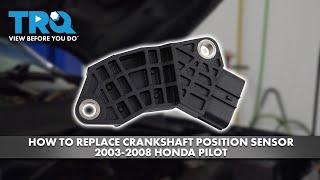
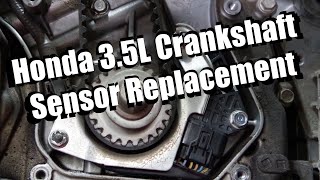
The crankshaft position sensor is located on the front of the engine block, near the crankshaft pulley. To access it, you must remove the crankshaft pulley and the lower timing belt cover. 🎬 See how to access the sensor and save on repair costs. This makes replacement more involved than for many other sensors.
Can I replace the sensor myself?
This is a challenging job for a beginner. It requires removing the passenger-side front wheel, splash shield, serpentine belt, and the main crankshaft pulley bolt, which is notoriously tight. Special tools, like a Honda crank holder tool, are highly recommended. 🎬 Watch this step-by-step guide on replacing the sensor yourself. While possible for an experienced DIY mechanic, many owners may prefer to have a professional shop handle this repair.
Do I need to perform a relearn procedure after replacement?
Yes, a crankshaft position sensor relearn procedure is required after installing a new sensor. This helps the ECU synchronize with the new sensor's signal. The procedure can be done with a specific scan tool or by following a manual driving pattern.
Should I replace the timing belt at the same time?
Absolutely. Since the replacement procedure requires removing the crankshaft pulley and lower timing belt cover, you will have direct access to the timing belt and water pump. The labor involved is nearly identical. If your Pilot is near or past its timing belt service interval (typically every 105,000 miles), it is extremely cost-effective to replace the timing belt, tensioner, and water pump at the same time as the crankshaft sensor.
Helpful Videos
Technical Specifications
OEM Part Numbers: 37500-RCA-A01
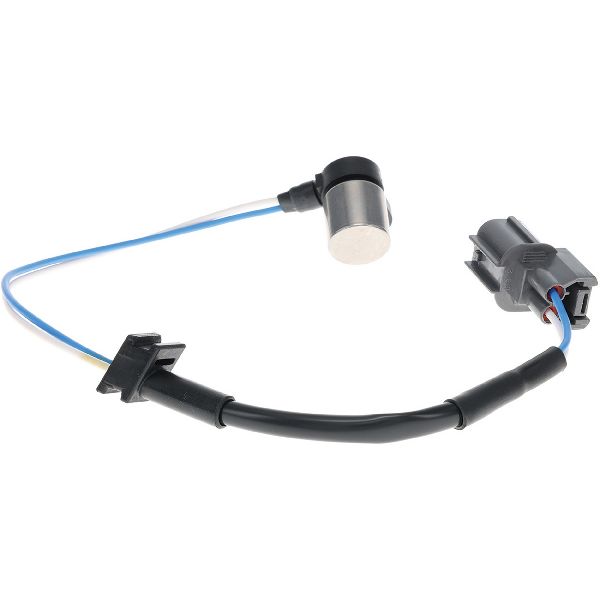
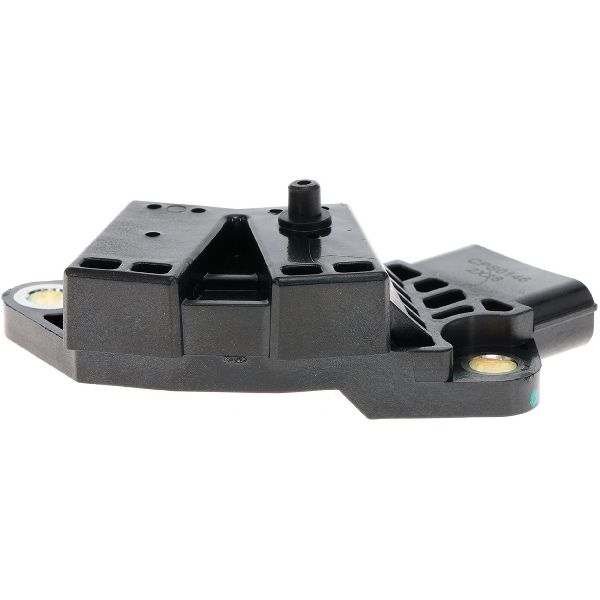
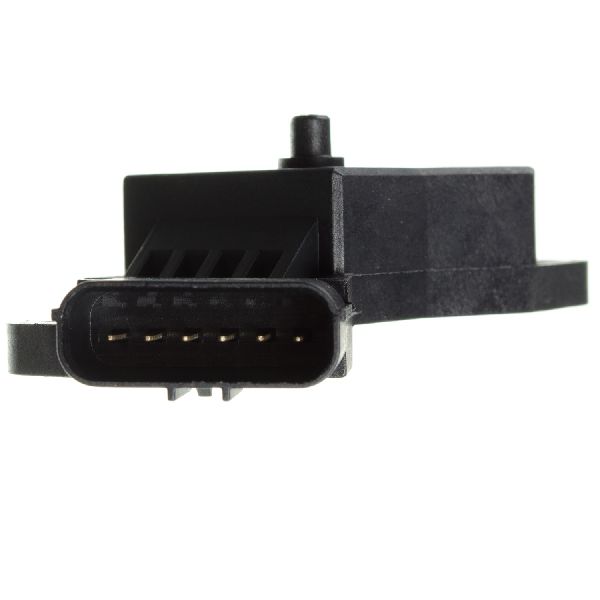
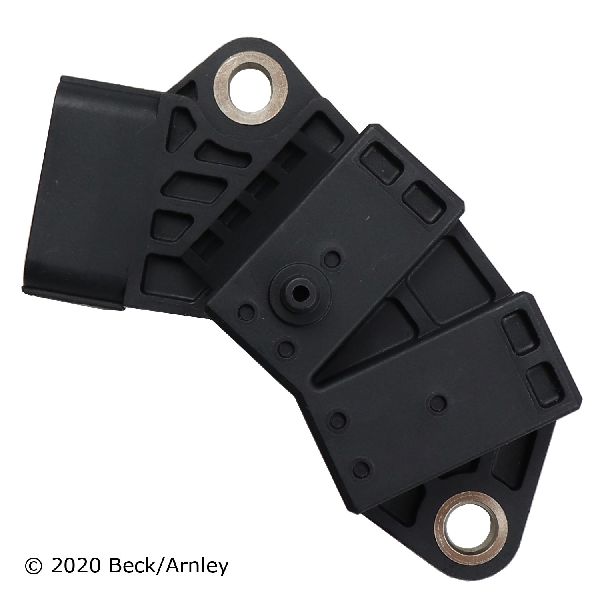
This is a magnetic sensor that reads teeth on the crankshaft to determine its position and speed. It uses a 3-pin connector.
We Have This Part in Stock


The information in this article is provided for general reference and educational purposes only. Vehicle specifications, procedures, and part compatibility can vary by production date, trim level, and region. Always consult your vehicle's factory service manual and verify part numbers before purchasing or performing repairs. Safety-critical components such as airbags, seat belts, and braking systems should be installed by a qualified professional.
- Honda Pilot: