

Honda Pilot Transmission Solenoid Guide for 2003-2008 Models
Addressing the flashing 'D' light and harsh shifting in your first-generation Honda Pilot.
- A flashing 'D' light is the most common sign of a transmission solenoid or sensor issue in your Pilot.
- The 2003-2008 Pilot's transmission is sensitive; using OEM or premium aftermarket solenoids is often recommended for long-term reliability.
- Solenoids are in different locations; some are easy to access under the battery tray, while others require more work like removing the thermostat housing.
- Always use the correct Honda ATF-Z1 fluid (or a fully compatible modern equivalent) and new gaskets when performing the replacement.
Understanding Solenoid Failure in Your Pilot

The five-speed automatic transmission in the 2003-2008 Honda Pilot is known for being sensitive to both fluid condition and component quality. Solenoid failure is a common issue as these vehicles age. A solenoid can fail electrically due to a broken coil winding, or mechanically by getting stuck open or closed from contaminated fluid or simple wear and tear. Since different solenoids control different functions, the symptoms you experience can point to which one might be failing.
Symptoms of a Bad Transmission Solenoid


Recognizing the signs of a failing solenoid can help you diagnose the problem before it leads to more severe transmission damage. Here’s what to watch for:
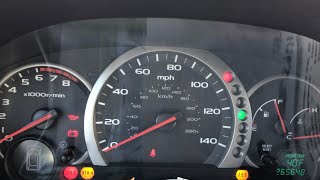
- Flashing "D" Indicator Light: This is the most common and specific symptom for Honda vehicles. A blinking green "D" on your dashboard indicates the transmission control module has detected a fault. 🎬 Watch: Troubleshooting a flashing D light on your Pilot
- Harsh or Delayed Shifting: You may feel a noticeable clunk or jerk when the transmission shifts gears. It might also feel like there's a long pause before the next gear engages.
- Stuck in Gear: The transmission may go into "limp mode" to protect itself, often getting stuck in second or third gear. This results in poor acceleration and high RPMs at low speeds.
- Check Engine Light: A transmission fault will often trigger the Check Engine Light. Common trouble codes include P0700 (a general transmission fault), P0741 (Torque Converter Clutch), and various codes pointing to specific shift solenoids (e.g., P0766, P0780).
- Gear Slippage: The engine RPMs may flare up without an increase in speed, as if the transmission is momentarily in neutral between shifts.
A Note on Transmission Health
The 2003-2004 Pilot was part of a recall for an issue where the second gear could overheat, potentially causing transmission lockup. While not directly a solenoid problem, this highlights the importance of maintaining this specific transmission with high-quality parts and the correct fluid (Honda ATF-Z1 or a compatible equivalent).
Choosing the Right Aftermarket Solenoid

When replacing a solenoid in your Pilot, you have a choice between OEM (Original Equipment Manufacturer) and aftermarket parts. For many repairs, aftermarket parts are a great value. However, for this specific transmission, the choice requires more thought.
- OEM Solenoids: These are the same parts Honda used to build the vehicle. They are guaranteed to fit and function correctly but come at the highest cost. Given the sensitive nature of this transmission, many mechanics and owners strongly prefer OEM to ensure reliability.
- Premium Aftermarket (e.g., Denso, Standard Motor Products): These brands have a reputation for quality and often manufacture parts for automakers. They can be a reliable alternative to OEM at a slightly lower price.
- Budget Aftermarket (Replacement Brands): These are the most affordable options and fit within the $47-$103 price range. While tempting, be aware that some owners report premature failure with lower-cost parts on this particular transmission, leading to repeat repairs. One forum user noted having to replace a failed aftermarket pressure switch shortly after installation.
Pro Tip: For the 2003-2008 Pilot, investing in an OEM or a reputable premium aftermarket solenoid is often the safest bet to avoid doing the job twice. If your budget only allows for a standard aftermarket part, ensure you are also using fresh, correct-spec transmission fluid to give it the best chance of success.
Cost of Replacing a Transmission Solenoid
| Part / Service | Estimated Cost |
|---|---|
| New OEM Solenoid (Single) | $150 - $400+ |
| New Aftermarket Solenoid (Single) | $47 - $180 |
| Shop Labor | $150 - $350 |
| Total Estimated Cost (Aftermarket Part + Labor) | $197 - $530 |
Cost estimates are approximate and can vary based on your location, the specific solenoid being replaced, and the repair shop's labor rates.
Frequently Asked Questions
How many solenoids does my Pilot's transmission have?
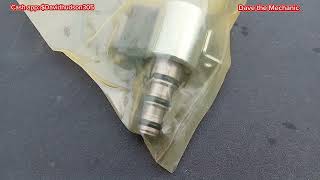
The 5-speed automatic transmission in the 2003-2008 Pilot has multiple solenoids. This includes several shift solenoids (A, B, C), clutch pressure control solenoids (often sold as dual or single linear solenoids), 🎬 See how to replace the dual linear shift solenoid and a torque converter clutch (TCC) solenoid. A diagnostic scan is needed to identify which specific one has failed.
Can I replace just the one bad solenoid?
Yes, you can replace only the faulty solenoid. However, if the vehicle has high mileage, some mechanics recommend replacing related solenoids or solenoid packs at the same time, as they have experienced similar wear and may fail soon. This is especially true for pressure switches, which are often replaced in pairs.
Is this a difficult DIY job?
For a DIYer with some experience, this is a manageable job. The difficulty is moderate. Some solenoids are easily accessible after removing the battery and battery tray. Others, like the TCC solenoid, are located behind the thermostat housing, which requires draining the coolant to remove. 🎬 Watch: Step-by-step guide to replacing the TCC solenoid Ensure you have a torque wrench, new gaskets, and the correct transmission fluid for a refill.
What is the difference between a shift solenoid and a pressure control solenoid?
A shift solenoid typically functions as a simple on/off switch to direct fluid and engage a specific gear. A pressure control solenoid (or linear solenoid) is more complex, modulating the fluid pressure. In your Pilot, you have both types working together to ensure smooth operation.
Helpful Videos


Technical Specifications
OEM Part Numbers: 28250-P6H-024 (Dual Linear Solenoid Assembly) 28400-P6H-013 (Shift Solenoid B) 28500-P6H-013 (Shift Solenoid C) 28250-P7W-003 (Torque Converter Solenoid)
The 2003-2008 Honda Pilot is equipped with a 5-speed automatic transmission (model codes: BVGA, BVLA). It uses a variety of shift, pressure control, and lock-up solenoids to manage operation. Most solenoids are externally mounted for service.

The information in this article is provided for general reference and educational purposes only. Vehicle specifications, procedures, and part compatibility can vary by production date, trim level, and region. Always consult your vehicle's factory service manual and verify part numbers before purchasing or performing repairs. Safety-critical components such as airbags, seat belts, and braking systems should be installed by a qualified professional.
- Honda Pilot: