

A Mechanic's Guide to the 2003-2008 Honda Pilot Transmission Cooler
The factory transmission cooler is a known failure point on first-generation Pilots; here's what you need to know to prevent catastrophic damage.
- The factory transmission cooler inside the radiator is a major failure point on 2003-2008 Pilots, leading to catastrophic transmission damage.
- Mixing of coolant and ATF, known as 'SMOD', requires immediate action and will destroy the transmission if the vehicle is driven.
- The best and most permanent fix is to install an aftermarket external transmission cooler and bypass the radiator's internal cooler.
- Proactively installing an aftermarket cooler is a cheap insurance policy against a $3,000+ transmission replacement.
The Critical Flaw: Radiator and Cooler Failure

The first-generation Honda Pilot has a serious design issue with its factory transmission cooler. The cooler is located inside the engine's radiator, and over time, the internal walls can corrode and crack. When this happens, high-pressure automatic transmission fluid (ATF) mixes with low-pressure engine coolant. This mixture, often called the "strawberry milkshake of death" or "SMOD" because of its pink, milky appearance, is a disaster for your transmission. Coolant quickly destroys the friction materials on the transmission's clutches and can cause thousands of dollars in damage, often requiring a full transmission replacement.
Warning: The "Strawberry Milkshake of Death" (SMOD)
If you check your coolant overflow tank and see a pink, milky, or frothy substance, or if you check your transmission fluid dipstick and see the same, do not drive the vehicle. Driving with mixed coolant and ATF will cause catastrophic transmission failure. This problem is very common on 2003-2008 Pilots and similar Hondas of the era.
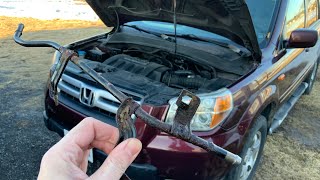
🎬 See what this radiator failure looks like and how to avoid it.Symptoms of a Failing Transmission Cooler

Catching the problem early can save your transmission. Look out for these signs:
- Transmission Overheating: The transmission may feel like it's slipping, shifting harshly, or you might smell a burning odor from the fluid.
- Fluid Contamination: The most definite sign is the pink, milky fluid in your radiator overflow tank or on your transmission dipstick.
- Fluid Leaks: You might see red or brownish ATF leaking from the radiator area, but the most dangerous failure is internal and won't always show an external leak. 🎬 Watch this video to help identify and fix transmission fluid leaks.
- Shuddering or Jerking: As the transmission fluid overheats or gets contaminated, you may feel the vehicle shudder or jerk, especially between 20-50 mph.
The Best Solution: Aftermarket Bypass Cooler

Because the original OEM design is the source of the problem, simply replacing a failed radiator with another OEM-style one doesn't solve the root cause. The most reliable and highly recommended fix by mechanics and owners is to install an external, air-cooled aftermarket transmission cooler and completely bypass the failure-prone cooler in the radiator. This permanently separates the transmission fluid from the engine coolant, eliminating the risk of SMOD.
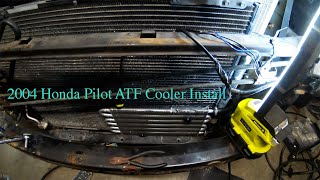
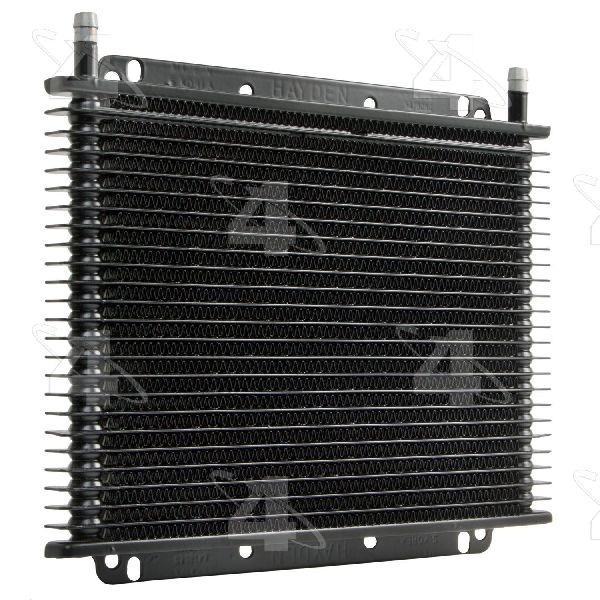
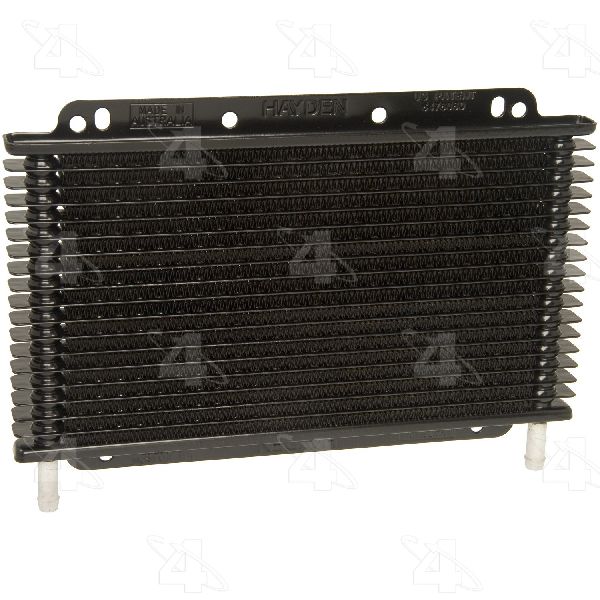
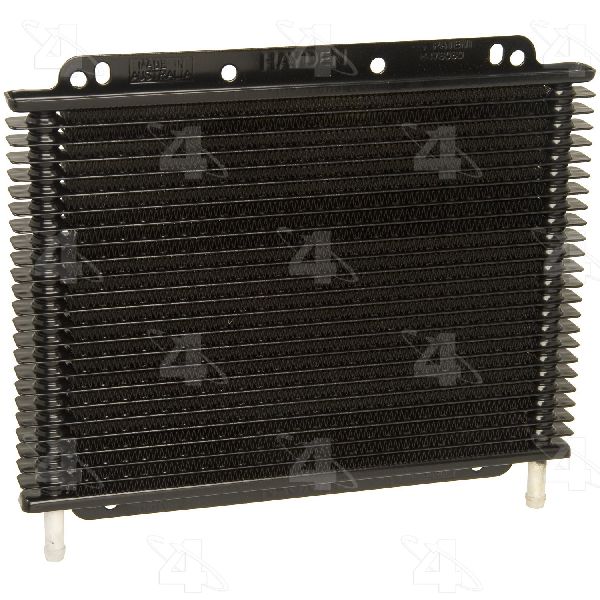
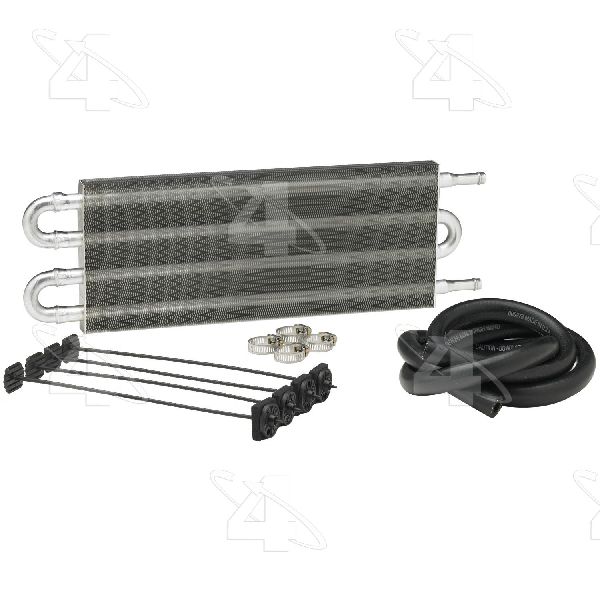
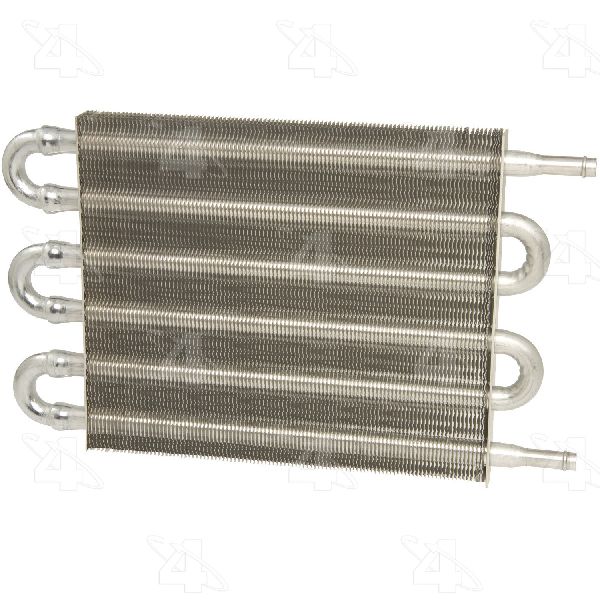
Brands like Hayden and Four Seasons are popular and trusted choices for this upgrade. They function as a small, separate radiator just for the transmission. 🎬 Watch this step-by-step DIY guide to installing a Hayden cooler. Installing one is a cost-effective way to protect your transmission from a very expensive failure.
Pro Tip: When to Install an Aftermarket Cooler
Don't wait for a failure. If you own a 2003-2008 Pilot, especially one with over 100,000 miles, proactively installing an external transmission cooler is one of the best investments you can make. Many owners do this at the same time as a timing belt and water pump service.
| Part / Service | Estimated Cost |
|---|---|
| New Aftermarket Cooler Kit (Hayden, Four Seasons) | $51.93 - $95.39 |
| New OEM Radiator (with integrated cooler) | $250 - $450 |
| Shop Labor (Install Aftermarket Cooler) | $150 - $300 |
| Shop Labor (Replace Radiator) | $200 - $400 |
| Transmission Replacement (After SMOD) | $3,000 - $5,500+ |
Frequently Asked Questions (FAQ)

Can I just replace the radiator with a new one?
You can, but a new radiator with the same integrated cooler design will eventually be at risk for the same failure. Bypassing the radiator's cooler with an external unit is a more permanent solution to prevent fluid mixing.
Is a bigger aftermarket cooler always better?
Not necessarily. A cooler that is too large can prevent the transmission fluid from reaching its optimal operating temperature, especially in cold climates. A plate-and-fin style cooler, like many offered by Hayden or Four Seasons, is more than adequate for a stock Honda Pilot.
Was there a recall for this issue?
No, there was no specific recall for the transmission cooler failure on the 2003-2008 Pilot. There were recalls and extended warranties for other transmission issues like torque converters and gear problems, but not for the radiator defect that causes SMOD.
If I install an external cooler, what do I do with the old cooler ports on the radiator?
The two ports on the bottom of the radiator where the transmission lines used to connect should be left open to the air or can be capped to prevent dirt from entering. Do not connect them together. The new external cooler will now handle all transmission cooling.
Helpful Videos

Technical Specifications
The key issue is the design of the integrated cooler within the OEM radiator. Aftermarket solutions typically use a plate-and-fin or tube-and-fin design that mounts in front of the radiator/condenser and is cooled by air.
We Have This Part in Stock


The information in this article is provided for general reference and educational purposes only. Vehicle specifications, procedures, and part compatibility can vary by production date, trim level, and region. Always consult your vehicle's factory service manual and verify part numbers before purchasing or performing repairs. Safety-critical components such as airbags, seat belts, and braking systems should be installed by a qualified professional.
- Honda Pilot: