

Honda Accord Crankshaft Position Sensor Guide (2003-2008)
Understand the common failure symptoms and learn how to choose the right replacement crankshaft position sensor for your 2003-2008 Honda Accord.
- A failing crankshaft sensor can cause no-start conditions, stalling, and a check engine light with codes P0335, P0336, or P0339.
- For critical sensors, choose high-quality aftermarket brands like Denso or Hitachi, which are often OEM suppliers for Honda.
- After replacement, a 'crank relearn' procedure may be needed, sometimes requiring a professional scan tool.
- Always verify the part fits your specific engine (2.4L 4-cylinder or 3.0L V6) as they are different.
Is Your Honda Accord Stalling or Hard to Start?

If your 2003-2008 Honda Accord is suddenly having trouble starting, stalling unexpectedly, or the Check Engine Light is on, a faulty crankshaft position sensor could be the culprit. This sensor is vital for engine operation, and when it fails, it can cause a range of frustrating and potentially serious issues. This guide will walk you through the symptoms, how to choose the best aftermarket replacement, and what to expect for replacement costs.
A Note on Engine Differences
The 2003-2008 Accord came with two main engines: the 2.4L 4-cylinder (K-series) and the 3.0L V6 (J-series). The location of the crankshaft position sensor and the specific part number are different for each engine. Always verify the part fits your specific engine before purchasing.
Choosing the Right Aftermarket Sensor

When it comes to critical sensors, not all aftermarket brands are created equal. For Honda vehicles, using a low-quality sensor can lead to premature failure, causing the same problems to return and making diagnosis difficult. It's often recommended to use either an OEM part or a high-quality aftermarket brand known to be an original equipment supplier.
Brand Quality Tiers for Your Accord
- Top Tier (OEM Suppliers): Brands like Denso and Hitachi are often the original manufacturers for Honda's electronics. Choosing one of these brands is the closest you can get to OEM quality. They are known for their reliability and precise fit. Delphi is another strong choice, manufacturing sensors to meet or exceed OE standards.
- Mid-Tier (Reputable Aftermarket): Brands like Standard Motor Products (SMP), NGK, and Beck Arnley offer a good balance of quality and value. They have a long history in the aftermarket and generally produce reliable parts.
- Economy Tier: This includes brands like Dorman and other lower-priced options. While attractive in price, some forum users report mixed experiences with the longevity of economy sensors for critical applications. They can be a viable option for a budget repair, but be aware of the potential for a shorter service life.
Pro Tip: The "Crank Relearn" Procedure
After replacing the crankshaft position sensor, your Accord's computer may need to perform a "CKP Pattern Learning" or "crank relearn" procedure. This calibrates the new sensor with the engine's computer. While some cars will do this automatically, others may require a mechanic with a capable scan tool to initiate the procedure. Failure to do this can sometimes result in a persistent check engine light or rough running.
Known Issues for 2003-2008 Honda Accords
While there are no specific recalls for the crankshaft position sensor itself on this generation, Honda has issued Technical Service Bulletins (TSBs) for related issues. For example, TSB 09-050 for the 2008-2009 Accord L4 models notes that a P0339 code (crankshaft position sensor intermittent interruption) can be triggered if the engine is cranked with a low battery. The fix in this case is a software update, not a new sensor. This highlights the importance of proper diagnosis before replacing parts.
Cost to Replace Honda Accord Crankshaft Position Sensor

| Category | Estimated Cost |
|---|---|
| New OEM Part | $118 - $219 |
| New Aftermarket Part | $24 - $474 |
| Shop Labor | $112 - $164 |
| Total Professional Replacement | $230 - $383 |
Frequently Asked Questions

Where is the crankshaft position sensor located on a 2003-2008 Accord?
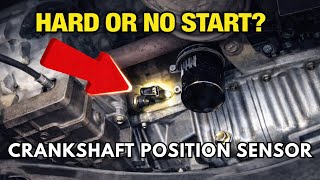
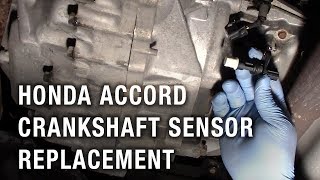
The location depends on your engine. On the 2.4L 4-cylinder, it is typically located on the front of the engine block, near the crankshaft pulley and oil filter. On the 3.0L V6, it is often found on the oil pan, under a small heat shield near the transmission housing. Always consult a repair manual for your specific year and engine.
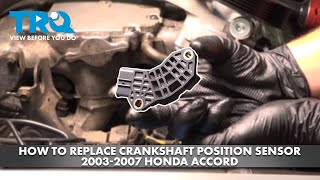
🎬 Watch a step-by-step replacement guide for 2003-2007 Accord models.What are the common trouble codes for a bad crank sensor?
The most common OBD-II codes are P0335 (Crankshaft Position Sensor 'A' Circuit No Signal), P0336 (Crankshaft Position Sensor 'A' Circuit Range/Performance), and P0339 (Crankshaft Position Sensor 'A' Circuit Intermittent). These codes may be accompanied by misfire codes (P0300, P0302, etc.).
🎬 Learn how to diagnose and fix a P0336 error code.Can a bad starter motor cause a crank sensor code?
Yes. On some Hondas, a slow-cranking aftermarket starter can cause the engine to throw a P0339 code. The slow cranking speed can be misinterpreted by the engine computer as an intermittent signal from the crankshaft sensor. This is a known issue discussed by owners in forums.
Do I need special tools to replace this sensor?
For most DIYers, basic hand tools like a ratchet, sockets (commonly 10mm), and extensions are all that's needed. You may also need to safely lift and support the vehicle with a jack and jack stands. The key challenge is often accessing the sensor, which may require removing a splash shield or other components.
🎬 See how to replace the sensor on a 2.4L engine.Helpful Videos
Technical Specifications
OEM Part Numbers: 37500-PNA-003 37500-R40-A01 37500-RCA-A01 37500-PPA-003
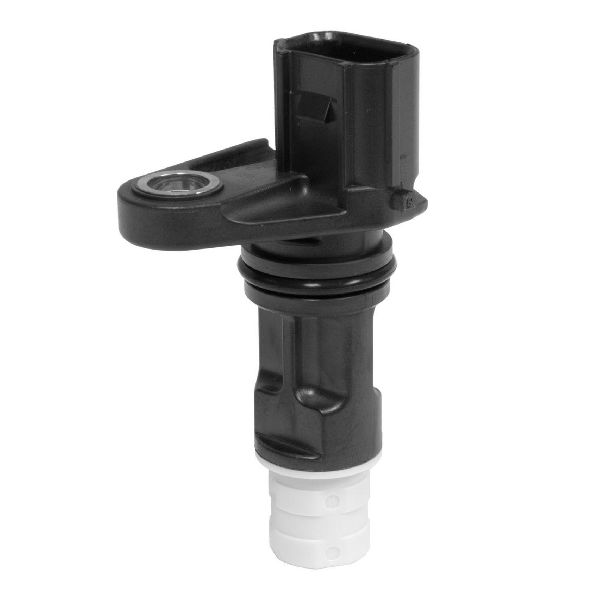
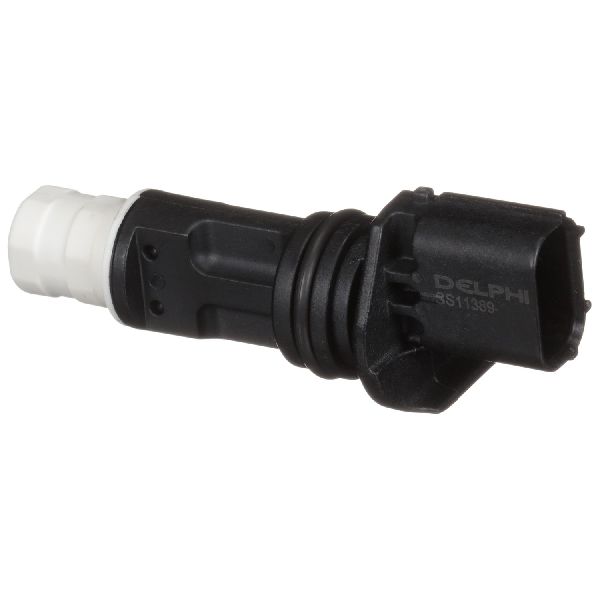
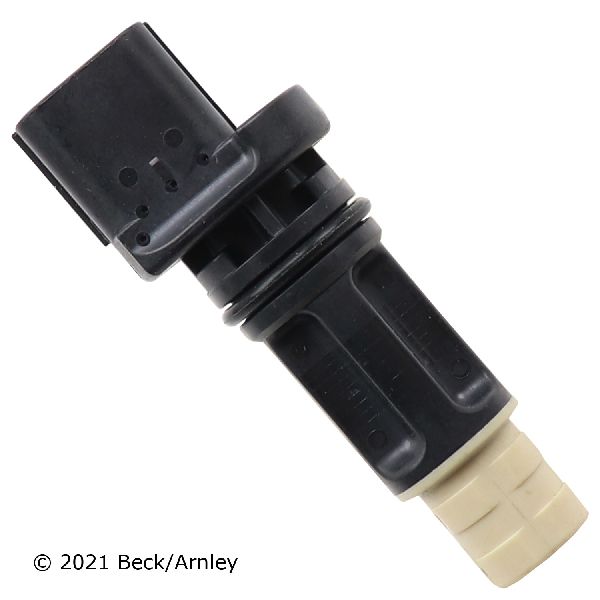
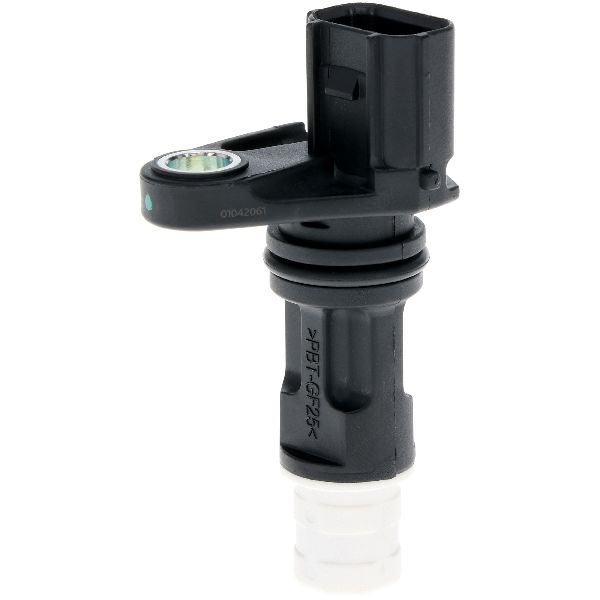
The sensor for the 2003-2008 Honda Accord is a magnetic or Hall-effect type sensor that reads teeth on the crankshaft to determine its speed and position. It typically uses a 3-pin connector. The 4-cylinder and V6 engines use different sensors with different physical shapes and mounting points.
We Have This Part in Stock


The information in this article is provided for general reference and educational purposes only. Vehicle specifications, procedures, and part compatibility can vary by production date, trim level, and region. Always consult your vehicle's factory service manual and verify part numbers before purchasing or performing repairs. Safety-critical components such as airbags, seat belts, and braking systems should be installed by a qualified professional.
- Honda Accord: