

A Guide to Replacing the Oxygen Sensors on Your 2003-2007 Honda CR-V
Fix your check engine light and poor gas mileage by choosing the right oxygen sensor for your CR-V.
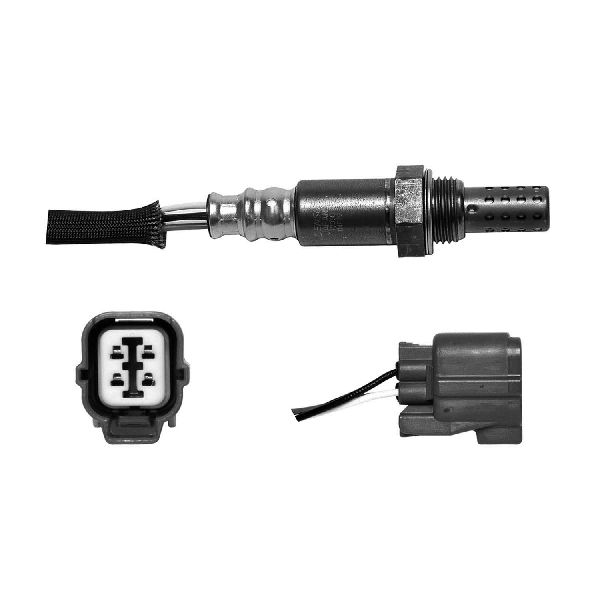
- For reliable results, choose a Denso or NTK brand aftermarket sensor; they are the original equipment suppliers for Honda.
- Verify if you need the upstream (Air/Fuel Ratio) or downstream sensor before ordering, as they are different parts.
- Replacing a bad oxygen sensor is a DIY-friendly job that can restore fuel economy and prevent costly damage to your catalytic converter.
- Do not use cheap, unbranded 'universal' sensors, as they are known to cause persistent problems with Honda's sensitive electronics.
Is Your CR-V's Oxygen Sensor Failing?

A bad oxygen sensor is a common issue on the second-generation Honda CR-V as it ages. The first sign is almost always the check engine light appearing on your dashboard. You might also notice your gas mileage getting worse or the engine running a bit rough. Ignoring a bad sensor can lead to more expensive problems, like a damaged catalytic converter, so it's best to address it promptly.
Symptoms of a Bad Oxygen Sensor
- Check Engine Light: The most common symptom. Codes like P0134, P0135, P1166, or P0420 often point to a sensor issue.
- Worse Fuel Economy: The engine may run 'rich,' burning more gas than needed, because the computer gets bad information from the sensor.
- Rough Idle or Poor Performance: You might feel a rough idle, hesitation when you accelerate, 🎬 See how to fix P0420 codes and poor acceleration issues. or even engine misfires.
- Failed Emissions Test: Your vehicle will not pass an emissions or smog test with a faulty oxygen sensor.
- Rotten Egg Smell: In some cases, an engine running too rich can produce a sulfur-like smell from the exhaust.
Upstream vs. Downstream: A Critical Difference
Your CR-V has two sensors, and they are not interchangeable. Before ordering, you must know which one needs replacing.
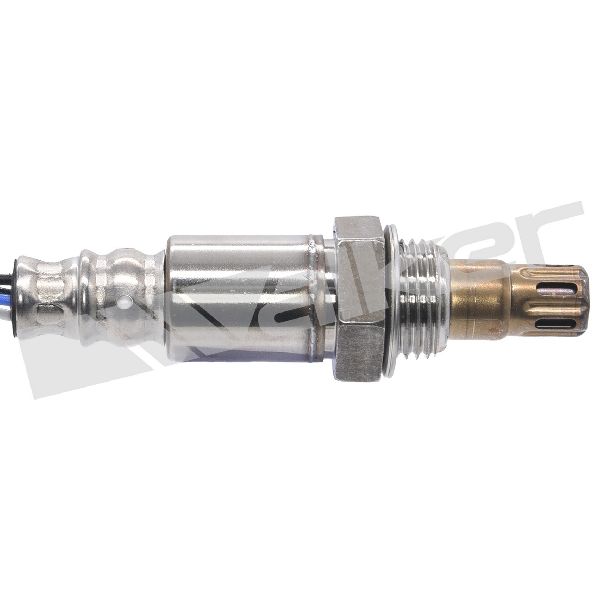
- Upstream (Sensor 1 / Air-Fuel Ratio Sensor): This sensor is located before the catalytic converter, often right on the exhaust manifold at the front of the engine. It is the more complex and expensive of the two. It is responsible for fuel control.
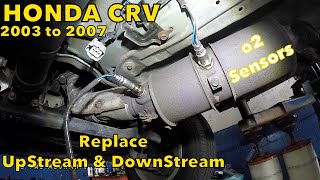
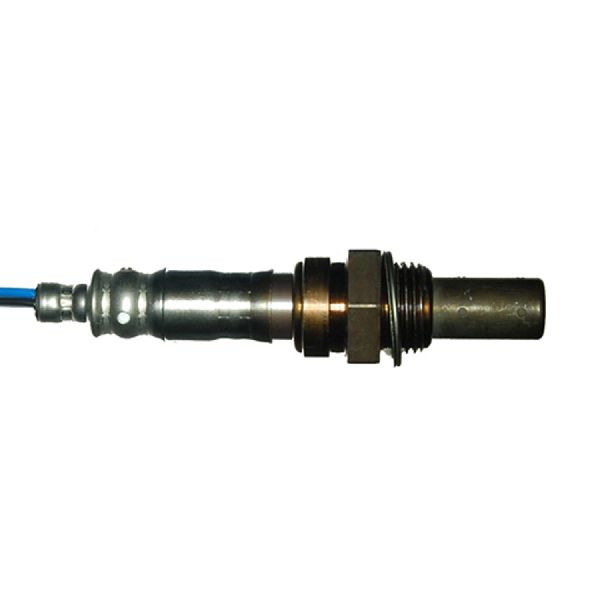
- Downstream (Sensor 2): This sensor is located under the vehicle, after the catalytic converter. It is a more traditional O2 sensor and is typically less expensive. It is responsible for monitoring the catalytic converter. 🎬 Watch: Step-by-step guide to replacing both upstream and downstream sensors.
Always confirm the location of the failed sensor based on the specific trouble code your vehicle has stored. Ordering the wrong one is a common and frustrating mistake.
Choosing the Right Aftermarket Oxygen Sensor Brand

Honda engine computers can be very sensitive to the signals from their sensors. While many aftermarket brands are available, owner experiences show that choosing the right one is critical to actually fixing the problem.
Tier 1: OEM-Equivalent (Highly Recommended)
Denso & NGK (NTK): Denso is the Original Equipment Manufacturer (OEM) for Honda, meaning they made the original part that was installed at the factory. Choosing a Denso-branded aftermarket sensor is the safest and most recommended option. It is designed to work perfectly with your CR-V's computer. NTK is another top-tier OEM supplier that is also highly trusted by mechanics and owners.
Tier 2: Reputable Aftermarket
Bosch & Delphi: These are large, well-known brands that produce quality parts. While generally reliable, some Honda owners report occasional compatibility issues that are not present with Denso or NTK. They can be a good second choice if a Tier 1 brand is not available.
Tier 3: Budget Brands
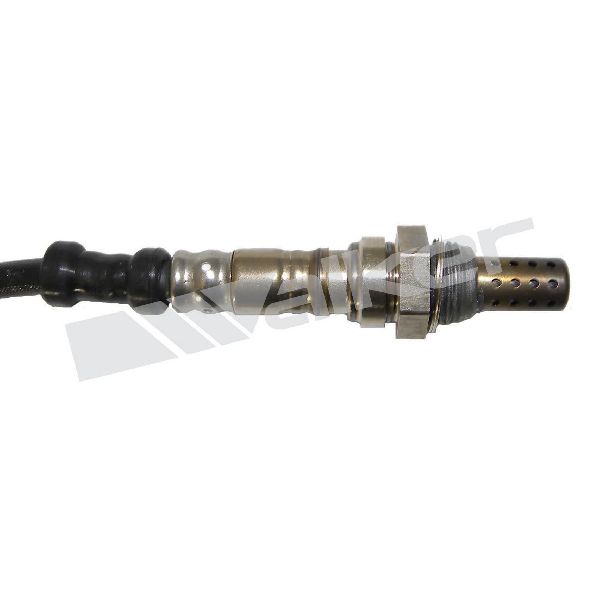
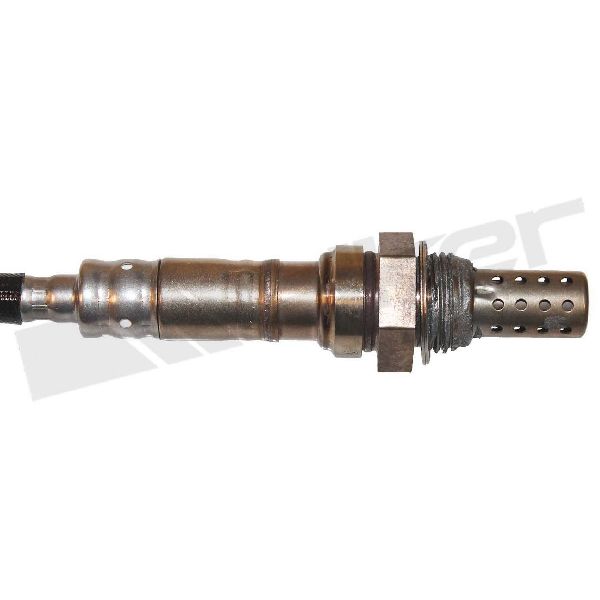
Spectra, Walker, DriveWire, and other low-cost options: It is strongly advised to avoid the cheapest oxygen sensors for your Honda CR-V. Forum discussions are filled with stories of owners who tried to save money with a budget sensor, only for the check engine light to return immediately or within a few weeks. This often results in buying a second, better-quality sensor, wasting both time and money.
Cost to Replace a 2003-2007 Honda CR-V Oxygen Sensor
| Part Type | Estimated Cost |
|---|---|
| New OEM (Dealer) | $200 - $450+ per sensor |
| New Aftermarket | $38.79 - $405.45 per sensor |
| Shop Labor | $75 - $150 |
Cost estimates are for a single sensor and do not include taxes or fees. The upstream Air/Fuel Ratio sensor is typically more expensive than the downstream sensor.
Frequently Asked Questions

How many oxygen sensors does my 2003-2007 CR-V have?
Your CR-V has two oxygen sensors: one upstream (before the catalytic converter) and one downstream (after the catalytic converter).
Can I replace just one oxygen sensor?
Yes. You only need to replace the sensor that has failed. A diagnostic trouble code (DTC) from a code reader will tell you which sensor is bad (e.g., 'Bank 1 Sensor 1' for upstream or 'Bank 1 Sensor 2' for downstream).
Can I clean my old oxygen sensor instead of replacing it?
While some people attempt to clean O2 sensors, it is not a reliable or recommended repair. The sensing element degrades internally over time, and cleaning the outside shell will not restore its function. Replacement is the only guaranteed fix.
Why is the Denso brand so highly recommended for Hondas?
Denso is the original manufacturer for Honda's sensors. Honda's engine computers are finely tuned to the specific voltage signals and response times of Denso sensors. Using other brands can sometimes result in performance issues or a check engine light that won't go away, even with a new part.
Is replacing an oxygen sensor a difficult DIY job?
For a DIY mechanic, this is a very manageable job, often taking less than an hour. The biggest challenge is usually the old sensor being rusted into the exhaust pipe. Using a special oxygen sensor socket and penetrating oil is highly recommended to make removal easier.
🎬 Watch this helpful walkthrough for a smooth DIY sensor replacement.Helpful Videos


Technical Specifications
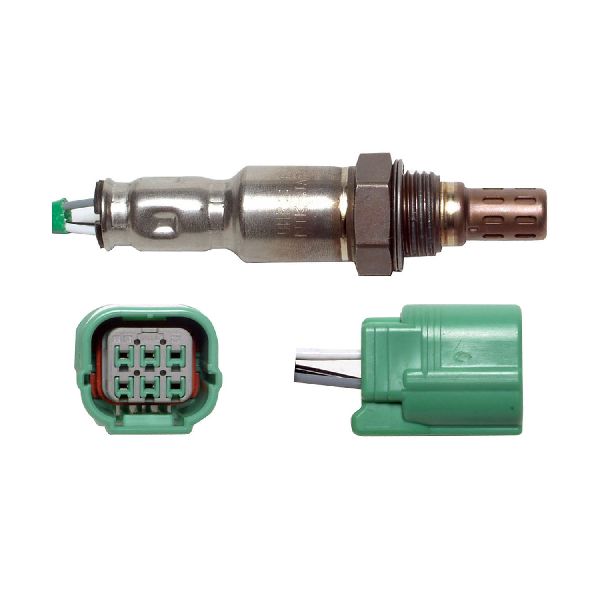
OEM Part Numbers: 36531-PPA-A01 (Upstream, 2002-04) 36531-PPA-305 (Upstream) 36532-PPA-A01 (Downstream, 2002-04) 36532-PPA-004 (Downstream, 2005-06)
Your vehicle is equipped with two sensors: one upstream Air/Fuel Ratio sensor and one downstream Oxygen sensor. They use a 4-wire, heated design. Always verify part numbers with your vehicle's VIN before ordering.
We Have This Part in Stock

The information in this article is provided for general reference and educational purposes only. Vehicle specifications, procedures, and part compatibility can vary by production date, trim level, and region. Always consult your vehicle's factory service manual and verify part numbers before purchasing or performing repairs. Safety-critical components such as airbags, seat belts, and braking systems should be installed by a qualified professional.
- Honda CR-V: