

A Mechanic's Guide to 2003-2007 Honda CR-V Engine Mounts
Tired of that rough idle and clunking noise? Your CR-V's engine mounts are the likely cause.
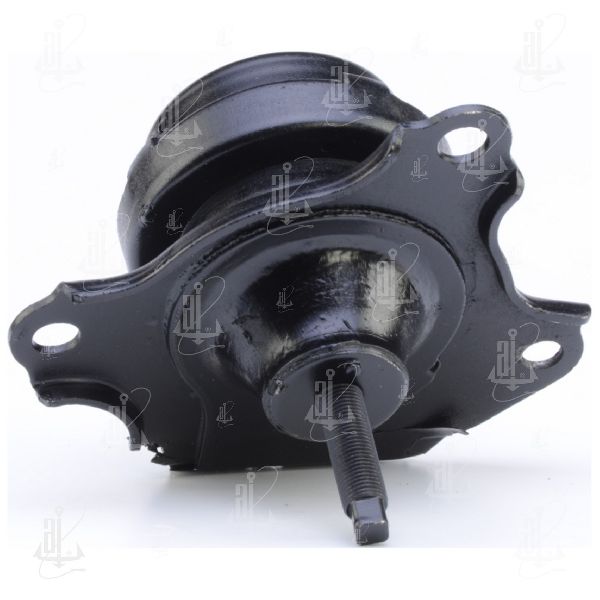
- The passenger-side hydraulic mount is the most common failure point and causes the worst vibrations.
- For the smoothest ride, use a genuine OEM mount for the passenger side; budget brands often cause more vibration.
- Symptoms include heavy vibration at idle (in gear), and clunking noises when accelerating or shifting.
- If one mount has failed, the others are likely worn and should be inspected or replaced at the same time.
Is Your CR-V Shaking or Making Clunking Noises?

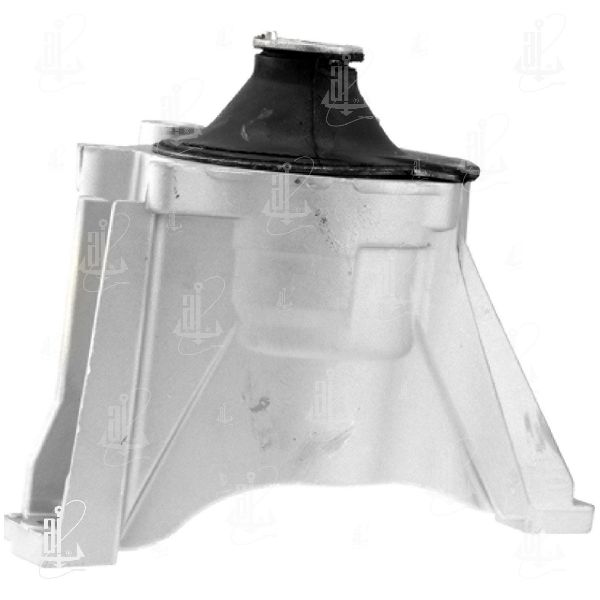
If you're feeling a strong vibration at idle, especially when the transmission is in Drive or Reverse with your foot on the brake, a bad engine mount is the most common culprit for this generation of CR-V. The passenger-side mount, which is hydraulic (fluid-filled), is almost always the first to fail and causes the most noticeable symptoms. Other signs include a clunking or thudding noise when you accelerate, decelerate, or shift gears. You might even see the engine move excessively if you have a helper rev the engine while you watch.
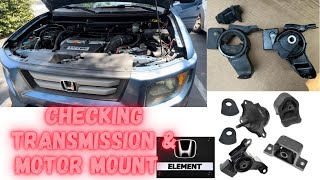
🎬 Watch: How to check your mounts for excessive movement.Known Issues for 2003-2007 CR-V
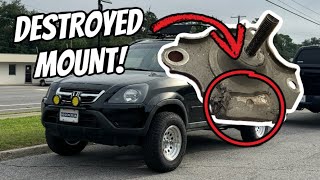
The primary issue for this vehicle is the failure of the passenger-side hydraulic engine mount. Owners consistently report that this specific mount wears out, leading to significant cabin vibration at idle. While there are no specific recalls or TSBs for engine mounts on the 2003-2007 models, the problem is widely documented in owner forums. A recall (NHTSA Campaign Number: 23V-228) was issued for the 2007 model year for rear frame corrosion in certain states, but this is unrelated to the engine mounts.
Choosing the Right Aftermarket Mount: OEM vs. Aftermarket

When it comes to engine mounts for your CR-V, there's a significant difference in quality and performance between original equipment (OEM) and aftermarket parts.
- OEM (Original Equipment Manufacturer): These are the highest quality and will provide the best vibration damping and longest life. For the main passenger-side hydraulic mount, choosing OEM is strongly recommended by experienced mechanics and owners to avoid persistent vibration issues. However, they are also the most expensive option.
- Premium Aftermarket (e.g., Corteco): Some brands, like Corteco, are known to be OEM suppliers for other car manufacturers like BMW and Volvo, suggesting good quality. They can offer a balance of performance and price, often providing a smoother experience than budget options.
- Standard Aftermarket (e.g., Westar, GSP): These brands offer a more affordable solution. While they will secure the engine properly, many users report they don't dampen vibrations as effectively as OEM, leading to a rougher feel in the cabin.
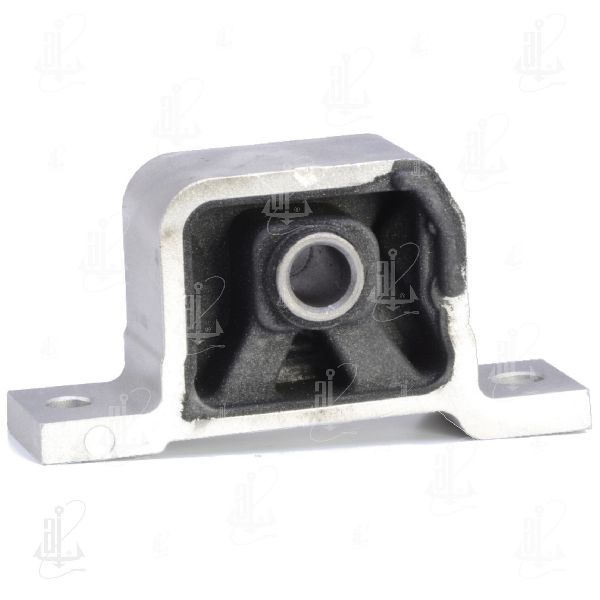
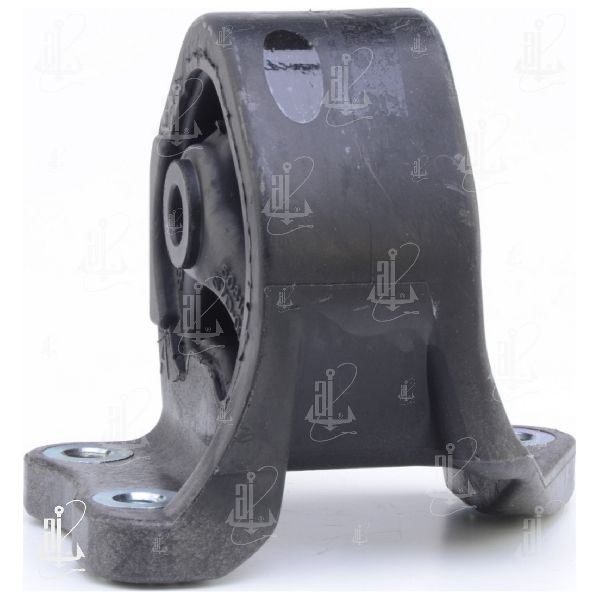
- Budget Aftermarket (e.g., Anchor, DEA): These are typically the cheapest option and are often sold in complete kits. While tempting, many CR-V owners report these mounts fail quickly or cause significant vibrations right after installation. They might be a temporary fix, but are not recommended for a long-term, smooth ride.
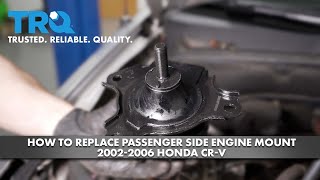
Pro Tip: A common strategy for CR-V owners on a budget is to buy an OEM or premium aftermarket mount for the critical passenger-side hydraulic location 🎬 See this step-by-step passenger side mount replacement guide. and use more affordable aftermarket brands for the other, less critical mounts (transmission, front, and rear torque struts).
Engine Mount Replacement Cost for 2003-2007 Honda CR-V

Costs can vary based on whether you do the work yourself or use a repair shop. The number of mounts being replaced also affects the price.
| Part Type | Estimated Cost |
|---|---|
| New OEM Parts (Full Set) | $550 - $800+ |
| New Aftermarket Parts (Full Set) | $80 - $250 |
| Shop Labor | $181 - $265 |
| Total Professional Replacement (Aftermarket) | $260 - $515 |
| Total Professional Replacement (OEM) | $730 - $1065+ |
Frequently Asked Questions

How many engine mounts does a 2003-2007 Honda CR-V have?
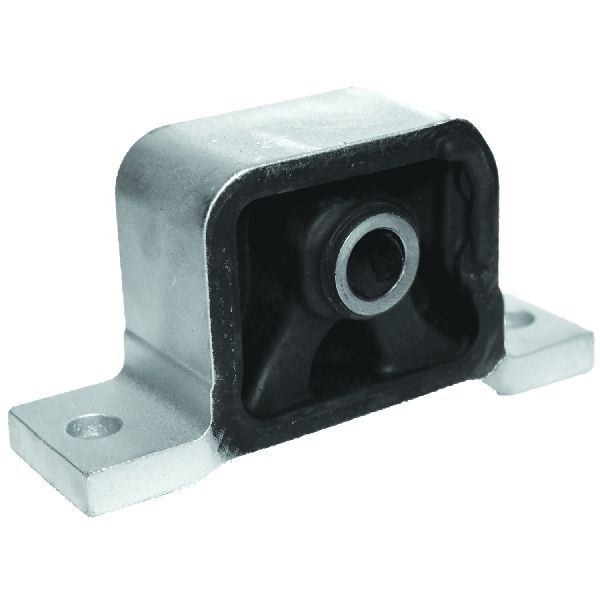
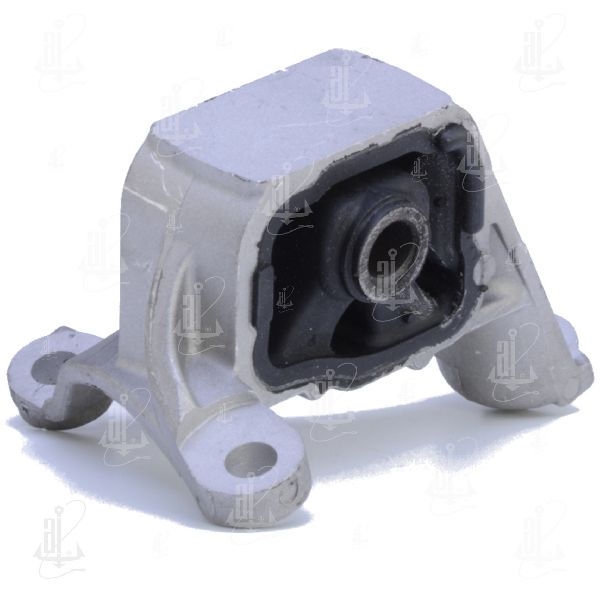
The 2003-2007 Honda CR-V with an automatic transmission has a total of four or five mounts, depending on how they are counted. This typically includes the main passenger-side hydraulic mount, a transmission mount, a front lower torque strut, and a rear lower torque strut. Some kits may also include an upper torque strut or additional brackets.
Can I replace just one bad engine mount?
Yes, you can replace just the one failed mount. This is a common approach, especially for replacing the problematic passenger-side mount. However, mounts tend to wear at a similar rate. If one has failed, the others are likely worn and will fail soon. Replacing them all at once can save you on future labor costs.
Will my car vibrate more with aftermarket engine mounts?
It is very likely, yes. This is the most common complaint with non-OEM mounts for the CR-V. The rubber compounds used in many aftermarket mounts are often harder and less effective at damping vibrations than the original Honda parts, especially the fluid-filled hydraulic mount.
Is it hard to replace CR-V engine mounts myself?
It is a moderately difficult job for a DIY mechanic. You will need a good set of metric sockets, extensions, and a way to safely support the engine (either an engine support bar from above or a floor jack with a block of wood under the oil pan). The passenger-side mount is relatively accessible, but the rear mount can be difficult to reach.
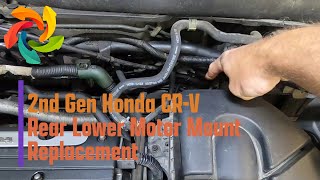
🎬 Watch: How to replace the difficult rear motor mount.Helpful Videos
Technical Specifications
OEM Part Numbers: 50821-S9A-023 50840-S7C-980 50810-S7D-003 50805-S9A-983 50721-S9A-000
The system consists of a primary fluid-filled hydraulic mount on the passenger side, a transmission mount, and several solid rubber torque struts to control engine movement. The automatic transmission models use a different set of mounts than manual transmission models.
We Have This Part in Stock

The information in this article is provided for general reference and educational purposes only. Vehicle specifications, procedures, and part compatibility can vary by production date, trim level, and region. Always consult your vehicle's factory service manual and verify part numbers before purchasing or performing repairs. Safety-critical components such as airbags, seat belts, and braking systems should be installed by a qualified professional.
- Honda CR-V: