

Ford E-150 Club Wagon Knock Sensor Guide (2003-2005)
Understand, diagnose, and choose the right replacement knock sensor for your V8-powered Ford van.
- A bad knock sensor will trigger the Check Engine Light and can cause poor performance and engine-damaging knock.
- Replacement is a difficult, labor-intensive job as the sensors are located under the intake manifold.
- Always replace both knock sensors and the wiring harness at the same time to avoid future repeat repairs.
- High-quality aftermarket brands like Bosch, Delphi, and NGK/NTK offer reliable performance comparable to OEM parts.
Is a faulty knock sensor a big deal?
Yes, it can be. A bad knock sensor can't warn the engine's computer about harmful detonation. This can lead to poor acceleration, bad fuel economy, and an illuminated Check Engine Light. In the long run, ignoring a bad knock sensor could lead to expensive engine damage, like damaged pistons or valves. For the relatively low cost of the part, it's a repair you shouldn't ignore.
Symptoms of a Bad Knock Sensor in a 2003-2005 E-150 Club Wagon
Your van will usually give you clear signs when a knock sensor is failing. The most obvious symptom is the Check Engine Light turning on. You might also notice the engine doesn't feel as powerful as it used to, or you might hear a metallic pinging sound when you accelerate or drive up a hill.
A Note on Engine Noise
An actual engine knock sound can be caused by many things, not just a bad sensor. It could be low oil, old oil, or internal engine wear. However, if the Check Engine Light is on with a knock sensor code, the sensor itself or its wiring is the most likely culprit.
Choosing the Right Aftermarket Knock Sensor
For a simple part like a knock sensor, you don't always need to buy the expensive OEM part from a Ford dealer. Many aftermarket brands offer excellent quality at a better price. Here's a breakdown of the available brands:
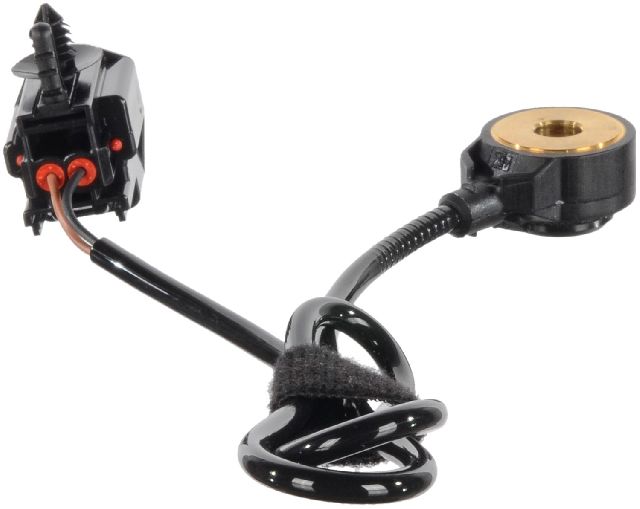
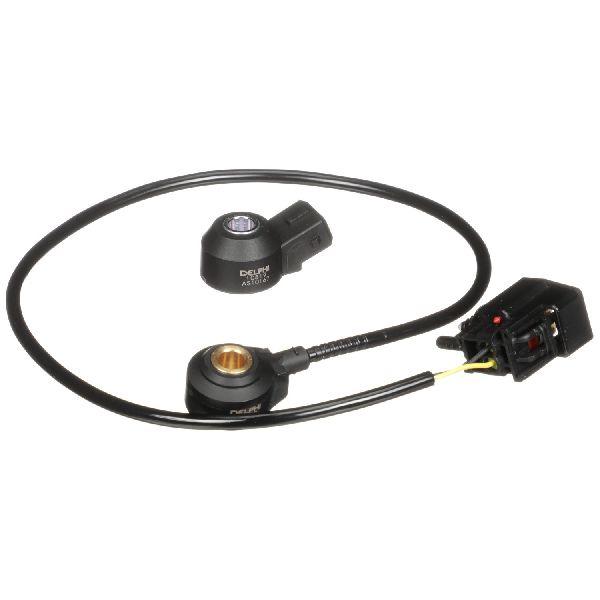
- Top Tier (OEM-level quality): Brands like Bosch, Delphi, and NGK (NTK) are often the original equipment manufacturers for Ford and other automakers. Choosing one of these is as good as buying the part from the dealer, and sometimes they are the exact same part in a different box. They are known for reliability and using high-quality materials.
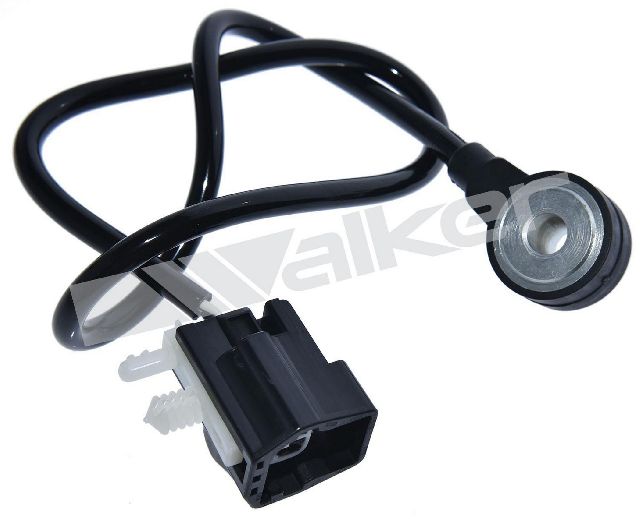
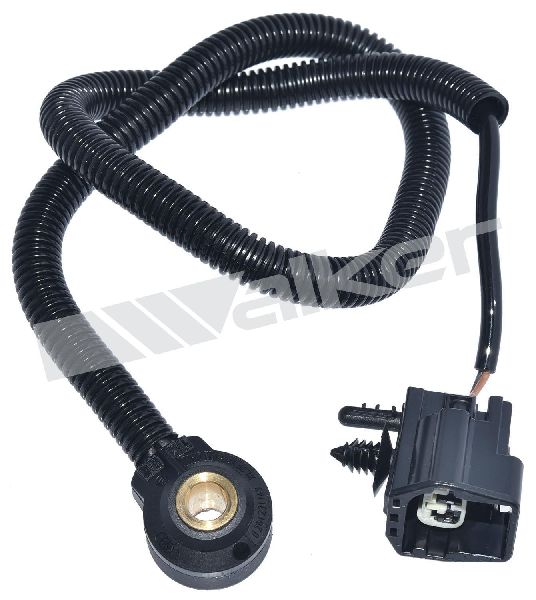
- Quality Aftermarket: Brands like Standard Ignition (SMP) and Walker Products have a long history of making reliable replacement parts. They are a solid choice for a balance of price and quality.
- Value-Oriented: Brands like Holstein and Global Parts offer a more budget-friendly option. They are engineered to meet original specifications and can be a good choice for a vehicle that isn't seeing heavy-duty use.
Pro Tip: Check the Harness
The knock sensors on these Ford V8 engines are located under the intake manifold. Because this is a difficult-to-reach area, it's highly recommended to replace the wiring harness that connects the sensors at the same time. Wires can become brittle and fail, and you don't want to do the job twice.
Replacement Cost for a 2003-2005 Ford E-150 Club Wagon
The biggest factor in the replacement cost is labor. The part itself is inexpensive, but accessing it requires removing the entire intake manifold, which is a time-consuming job.
| Item | Estimated Cost |
|---|---|
| New Aftermarket Knock Sensor | $35 - $58 |
| Shop Labor | $488 - $716 |
| Total Estimated Cost | $523 - $774 |
Cost estimates are based on national averages and may vary by location and repair shop.
Frequently Asked Questions
Are there any recalls for the knock sensor on my van?
No. A search of the National Highway Traffic Safety Administration (NHTSA) database shows no recalls specifically for the ignition knock sensor on the 2003-2005 Ford E-150 Club Wagon.
Can I replace the knock sensor myself?
This is an advanced DIY job. Because the sensors are located under the intake manifold on both the 4.6L and 5.4L V8 engines, the manifold must be removed to access them. This requires draining some coolant and disconnecting fuel lines and multiple electrical connectors. It is a difficult job with a high difficulty rating due to the location and number of steps involved. For most owners, professional installation is recommended.
My engine has two knock sensors. Should I replace both?
Yes. Given the high labor cost to access the sensors, it is strongly recommended to replace both at the same time, along with the wiring harness. If one sensor has failed due to age and heat, the other is likely not far behind. Replacing them together saves you from having to pay for the same difficult job twice.
What are the common diagnostic codes for a bad knock sensor?
The most common codes are P0325 (Knock Sensor 1 Circuit Malfunction) and P0330 (Knock Sensor 2 Circuit Malfunction). These codes point to a problem with the sensor itself or its wiring circuit.
Technical Specifications
Location: Under intake manifold, bolted to engine block. Quantity: 2 (one for each cylinder bank).
We Have This Part in Stock


The information in this article is provided for general reference and educational purposes only. Vehicle specifications, procedures, and part compatibility can vary by production date, trim level, and region. Always consult your vehicle's factory service manual and verify part numbers before purchasing or performing repairs. Safety-critical components such as airbags, seat belts, and braking systems should be installed by a qualified professional.
- Ford E-150 Club Wagon: