

Ford E-150 Club Wagon A/C Compressor Guide (2003-2005)
Keep your 2003-2005 Ford E-150 Club Wagon cool by understanding its A/C compressor and choosing the right replacement.
- The most common signs of failure are warm air, loud noises when the A/C is on, and a non-engaging compressor clutch.
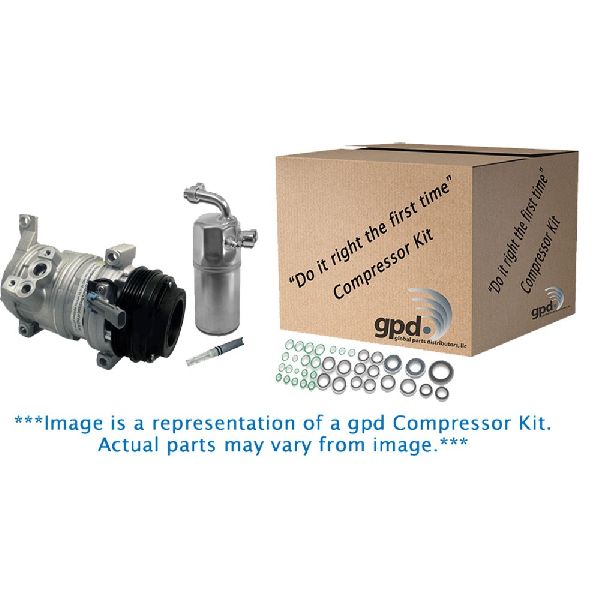
- When replacing the compressor, you MUST also replace the accumulator/drier and orifice tube to prevent premature failure.
- If the old compressor failed catastrophically ('black death'), the entire system must be flushed before installing new parts.
- Valeo is a higher-tier aftermarket brand, while Four Seasons and GPD are more budget-focused but can have inconsistent quality.
Signs of a Failing A/C Compressor
When your A/C compressor starts to fail, it usually gives a few warning signs. The most obvious is warm air coming from the vents when the A/C is on. You might also hear strange noises from the engine bay when you turn on the air conditioning, such as grinding, squealing, or clanking. These sounds often point to worn-out internal parts or a bad bearing. Another sign is the compressor clutch not engaging; you should hear a 'click' when the A/C is turned on, and if you don't, there's a problem. Leaks of refrigerant, which look like an oily residue around the compressor body, are also a clear indicator of failing seals.
Catastrophic Failure and "Black Death"
If a compressor seizes internally, it can send metal shavings throughout the entire A/C system. This is often called "black death." If this happens, you MUST flush the system and replace the accumulator/drier and orifice tube along with the compressor. Installing a new compressor into a contaminated system will cause it to fail almost immediately.
Choosing the Right Aftermarket A/C Compressor
For the 2003-2005 E-150 Club Wagon, you have several aftermarket options. Ford's original compressors are known to be durable, but aftermarket brands offer a good balance of price and quality. Here’s a breakdown of the available brands:
- Valeo: Valeo is a well-regarded global supplier that often makes original equipment for various manufacturers. They are known for high-quality components, and their compressors are tested to meet OE standards for leakage, durability, and noise. They are often considered a top-tier aftermarket choice, balancing quality and cost effectively.
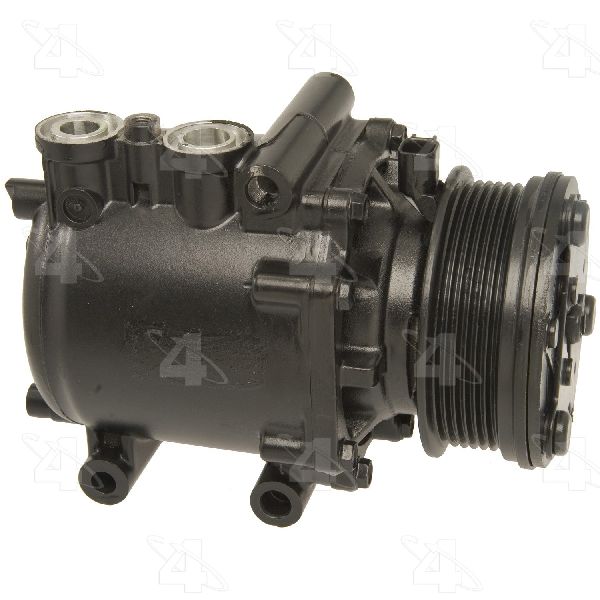
- Four Seasons: Four Seasons is a very common aftermarket brand. Reviews are often mixed; some users report years of good service, while others experience premature failures or noisy operation. They are generally affordable and often come in complete kits, which is a plus. However, quality can be inconsistent.
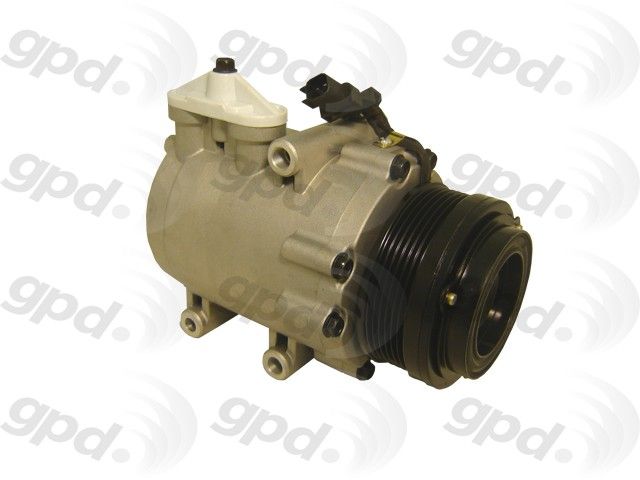
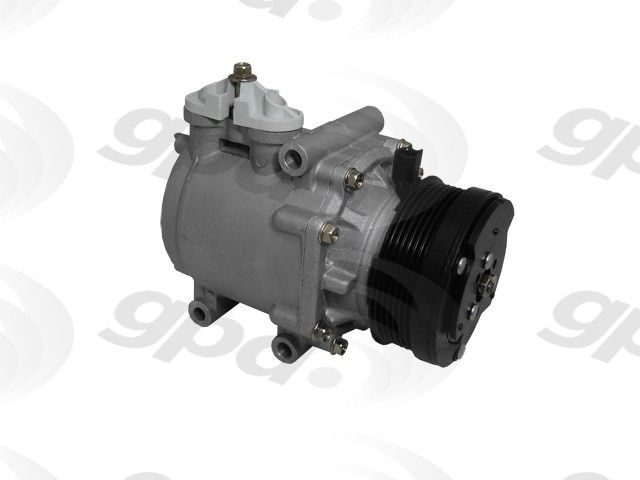
- Global Parts (GPD): GPD is another budget-friendly option. Like Four Seasons, reviews can be hit-or-miss. Some users have good experiences, while others report early failures. GPD compressors often come pre-filled with the correct oil, which is a convenient feature. They are a viable choice if budget is the primary concern, but may not have the longevity of a premium brand.
Pro Tip: Regardless of the brand you choose, always replace the accumulator/drier and orifice tube when you install a new compressor. Also, verify the amount and type of oil in the new compressor before installation; sometimes they ship with the wrong type or an incorrect amount.
Cost of Replacing Your A/C Compressor
| Part Type | Estimated Part Cost |
|---|---|
| New Aftermarket Compressor | $253 - $377 |
| Shop Labor | $165 - $242 |
| Total Professional Replacement | $747 - $1,008 |
Note: Costs are estimates and can vary by location and the specific parts chosen. Total cost includes the part, labor for installation, and system evacuation and recharge.
Frequently Asked Questions
Do I need to replace anything else with the compressor?
Yes. It is critical to replace the accumulator (also called a receiver/drier) and the orifice tube. Failure to do so will likely void the warranty on your new compressor and can cause it to fail quickly. If the old compressor failed internally, you must also flush the entire system to remove contaminants.
Is there a recall on the A/C compressor for my van?
No, there are no specific recalls for the A/C compressor on the 2003-2005 Ford E-150 Club Wagon. Searches of NHTSA data did not show any recalls related to the compressor for this model year range.
Can I replace the A/C compressor myself?
This is a moderately difficult job for a DIY mechanic. It requires special tools, including a set of manifold gauges and a vacuum pump to properly evacuate and recharge the system. Access to the compressor can be tight on E-Series vans. If you are not comfortable with the process, it is best to have it done by a professional.
What is that hissing noise I hear from my dash?
A hissing noise can sometimes indicate a refrigerant leak. However, on these vans, a common issue is a vacuum leak that affects the climate control doors. This can cause the A/C to stop blowing from the main vents when you accelerate. While not directly a compressor issue, it's a frequent A/C-related problem for the E-150.
Technical Specifications
OEM Part Numbers: FS10
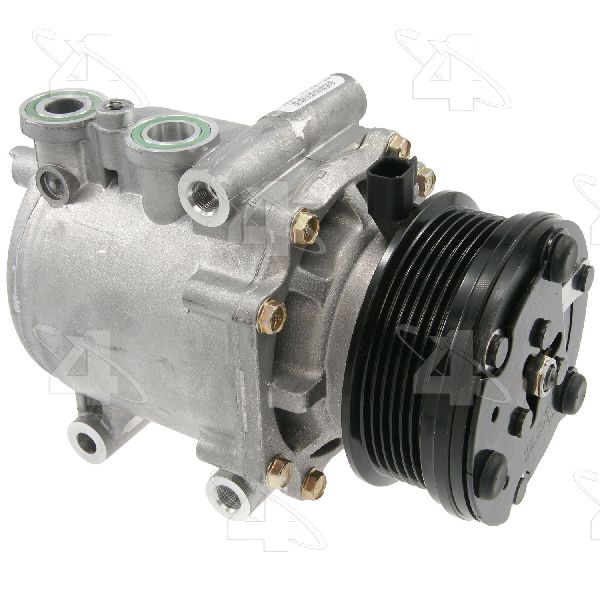
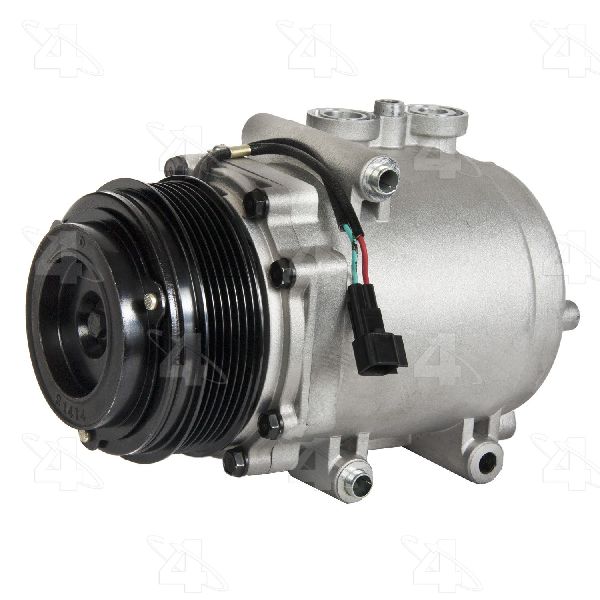
The compressor used on this vehicle is typically a Ford FS10 style piston compressor. Always verify the specific part number for your vehicle's engine and options.
We Have This Part in Stock

The information in this article is provided for general reference and educational purposes only. Vehicle specifications, procedures, and part compatibility can vary by production date, trim level, and region. Always consult your vehicle's factory service manual and verify part numbers before purchasing or performing repairs. Safety-critical components such as airbags, seat belts, and braking systems should be installed by a qualified professional.
- Ford E-150 Club Wagon: