

Engine Coolant Temperature Sensor for the 2003-2005 Dodge SX 2.0
Is your Dodge SX 2.0 running rough, getting bad gas mileage, or overheating? Your coolant sensor might be the problem.
- Common failure symptoms include a Check Engine Light (P0117/P0118), poor fuel economy, and engine overheating.
- Always inspect the sensor's wiring and connector for damage before replacing the part, as this is a common point of failure.
- This is a beginner-friendly DIY repair that can be done in under an hour with a deep 19mm or 3/4" socket.
- High-quality aftermarket brands like NGK or Standard Ignition offer a reliable and cost-effective alternative to the OEM Mopar part.
Is Your SX 2.0's Coolant Temp Sensor Failing?
A bad coolant temperature sensor can cause a surprising number of problems. Because the engine's computer relies on this sensor for critical information, a false signal can make the engine run poorly. It might tell the computer the engine is always cold, causing it to use too much fuel, or it might fail to warn the computer when the engine is actually overheating.
Check the Wiring First!
Before you replace the sensor, take a close look at its electrical connector and wiring. On the 2.0L engine, oil leaks can damage the wire insulation over time, causing a short or an open circuit. Wires can also become brittle and break, leading to the same symptoms as a failed sensor. A visual inspection could save you from replacing a perfectly good part.
Choosing the Right Aftermarket Sensor
You don't always need to buy the expensive OEM Mopar part from the dealer. Many aftermarket brands offer reliable quality at a much lower price. Here’s how they generally stack up for your Dodge SX 2.0:
- Top-Tier Aftermarket (OEM Quality): Brands like NGK (also sold as NTK) and Standard Ignition (SMP) are highly respected in the industry. They are known for making sensors that meet or exceed original equipment standards and are a reliable choice for this repair.
- Trusted Aftermarket Brands: Companies like Motorad and Holstein produce a wide range of sensors. They often provide good value and are manufactured to meet OEM specifications, making them a solid option for most owners.
- Value Brands: A brand like True Tech is typically a budget-friendly option. While it may get the job done, it may not have the same long-term durability or precise calibration as higher-tier brands.
Cost of Replacing the Engine Coolant Temperature Sensor
| Part Type | Estimated Cost |
|---|---|
| New Aftermarket Part | $13 - $41 |
| New OEM (Mopar) Part | $30 - $60 |
| Shop Labor | $60 - $95 |
Cost estimates are for parts and labor only and do not include taxes, fees, or diagnostics.
A Quick and Easy DIY Job
Replacing the ECT sensor on a Dodge SX 2.0 is a simple job most people can do at home in under an hour with basic tools. The sensor is located on the driver's side of the cylinder head. You may need a 19mm or 3/4" deep socket to swap the old sensor for the new one. Be prepared for a small amount of coolant to spill out.
Frequently Asked Questions
Where is the coolant temperature sensor on the 2003-2005 Dodge SX 2.0?
The sensor is threaded into the cylinder head on the driver's side of the engine, often located near or just below the heater hoses that go into the firewall.
Do I need to drain the coolant to replace the sensor?
You do not need to drain the entire cooling system. Only a small amount of coolant will leak out when you remove the sensor. If you are quick about swapping the old sensor for the new one, coolant loss will be minimal. Always work on a cold engine to avoid burns.
What do the trouble codes P0117 and P0118 mean?
Code P0117 (Circuit Low) means the computer is seeing a signal that indicates the engine is extremely hot, often caused by a short in the wiring. Code P0118 (Circuit High) means the computer is seeing a signal for an extremely cold engine (like -40°F), often caused by a broken wire or an unplugged sensor.
Are there any recalls for the Dodge SX 2.0 coolant sensor?
No, there are no specific recalls or Technical Service Bulletins (TSBs) from the NHTSA for the engine coolant temperature sensor on the 2003-2005 Dodge SX 2.0 or the equivalent Dodge Neon.
Technical Specifications
OEM Part Numbers: 56027873 5269870AB
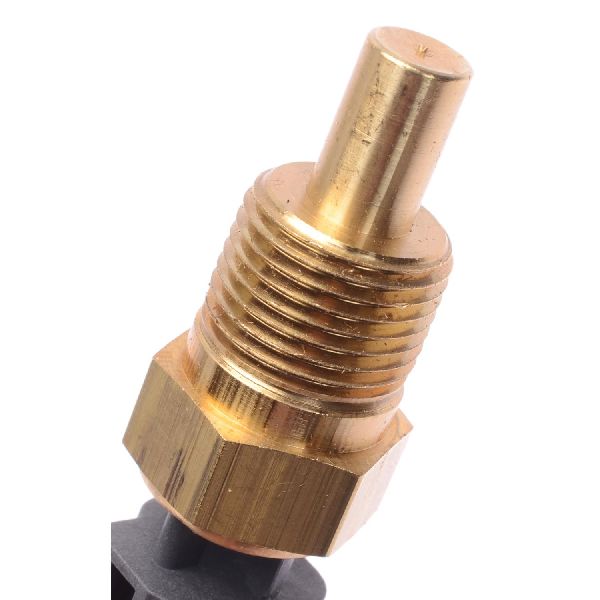
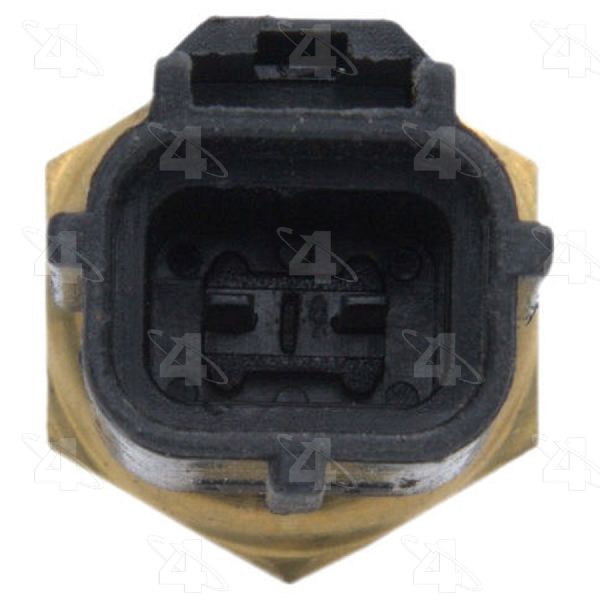
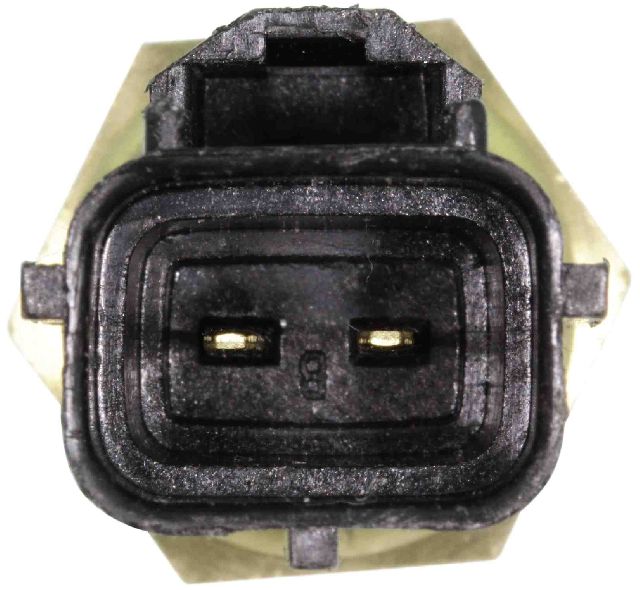
2-prong male terminal, brass housing, threaded body.
We Have This Part in Stock



The information in this article is provided for general reference and educational purposes only. Vehicle specifications, procedures, and part compatibility can vary by production date, trim level, and region. Always consult your vehicle's factory service manual and verify part numbers before purchasing or performing repairs. Safety-critical components such as airbags, seat belts, and braking systems should be installed by a qualified professional.
- Dodge SX 2.0: