

2003 Ford E-550 Super Duty Automatic Transmission Output Shaft Speed Sensor Guide
Diagnose and fix shifting problems in your 2003 Ford E-550 by understanding the transmission output speed sensor.
- A failing OSS sensor on a 2003 E-550 most commonly causes harsh shifting, a flashing O/D light, and a P0720 code.
- The sensor is located on the top of the transmission, held by one bolt, making it a simple but potentially hard-to-reach replacement.
- Before replacing, check for simple electrical issues like a bad alternator or loose grounds, which can cause similar symptoms.
- Choosing a quality aftermarket brand like NGK (NTK) or Standard Ignition offers a reliable repair without the full cost of an OEM part.
Is Your E-550 Shifting Hard or Acting Strange?
If your 2003 Ford E-550 Super Duty starts shifting erratically, hesitates, or the overdrive light begins to flash, a failing Automatic Transmission Output Shaft Speed Sensor (OSS) is a likely suspect. This sensor provides critical data for transmission operation, and when it fails, it can cause a range of noticeable problems. The most common trouble code associated with a bad OSS sensor is P0720, which points to a malfunction in the sensor's circuit. Ignoring these symptoms can lead to increased wear on your transmission's internal parts.
Symptoms of a Failing Output Shaft Speed Sensor
A bad OSS sensor can make your truck difficult and unsafe to drive. Watch for these common signs:
- Harsh or Delayed Shifting: The transmission may slam into gear or hesitate before shifting.
- Flashing 'O/D Off' Light: The overdrive indicator on your dashboard may start blinking.
- Erratic Speedometer: While the sensor on the rear differential usually controls the speedometer, a bad OSS can sometimes cause the speedometer to stop working or behave erratically.
- Engine Stalling: The engine might stall when you come to a stop.
- Cruise Control Failure: The cruise control may stop working entirely.
Electrical Problems Can Mimic Sensor Failure
On some Super Duty models, issues like a bad alternator or poor engine grounds can create electrical interference, known as AC ripple. This can confuse the vehicle's computer and trigger a false P0720 code. Before replacing the sensor, ensure your battery and alternator are in good health and that all ground connections are clean and tight. A recall (04S15) was issued for some 2003 models with the 6.0L diesel for a loose engine ground stud that could cause various electrical issues.
Choosing the Right Aftermarket Sensor
When replacing the OSS sensor, you have options. While an OEM Motorcraft part is a reliable choice, quality aftermarket brands offer a good balance of performance and value. For a critical part like a transmission sensor, it's best to avoid the cheapest options, as poor-quality electronics can fail quickly or be dead on arrival.
- Premium Aftermarket (NGK/NTK): NGK, through its NTK sensor brand, is a well-respected manufacturer that often supplies original parts to automakers. Their sensors are known for quality construction, such as heavier wire insulation, and are designed to meet or exceed OE specifications. This is a strong choice for reliability.
- Standard Aftermarket (Standard Ignition): Standard Motor Products (SMP) is a major aftermarket supplier with a long history. They offer solid, reliable sensors that are a dependable alternative to OEM parts. Many professionals and DIY mechanics trust SMP for engine management components.
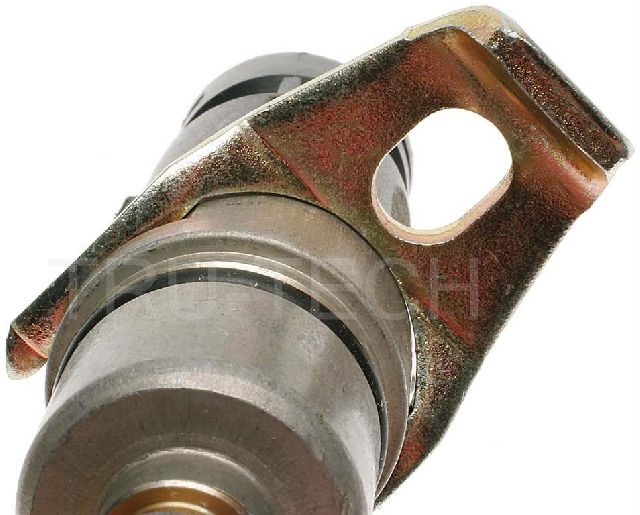
- Economy (True Tech): True Tech is a brand that offers a more budget-friendly price point. While there is limited public information on their manufacturing, they are positioned as a value option for less critical repairs or when budget is the primary concern. For a part that can affect transmission health, weigh the lower cost against the proven reliability of premium brands.
| Part Type | Estimated Cost |
|---|---|
| New Aftermarket | $35.12 - $56.37 |
| New OEM (Motorcraft) | $53 - $70 |
| Shop Labor | $125 - $250 |
Easy to Replace, Hard to Reach
The OSS sensor is located on the top of the transmission case toward the rear. It's held in by a single 8mm bolt. While removing the sensor itself is simple, accessing it can be tight. You may need a ratchet with an extension. Always apply a small amount of fresh transmission fluid to the new sensor's O-ring before installation to ensure a good seal.
Frequently Asked Questions (FAQ)
Are there any recalls for this sensor on my truck?
No, as of early 2026, there are no specific recalls from Ford or NHTSA for the automatic transmission output shaft speed sensor on the 2003 Ford E-550 Super Duty. There was a recall (07S57) for the camshaft position sensor on the 7.3L diesel engine, which can also cause stalling, but it is a different part.
Is this the same as the Vehicle Speed Sensor (VSS)?
No. On this truck, the OSS and VSS are typically two different parts. The OSS is on the transmission, while the main Vehicle Speed Sensor (VSS) that controls the speedometer is usually located on the top of the rear differential. However, the OSS data is still critical for overall speed calculations within the PCM, so a failure can sometimes affect the speedometer.
Can I replace this sensor myself?
Yes, this is a DIY-friendly job for someone with basic tools. The sensor is held by one bolt and has a simple electrical connector. The main challenge is reaching the sensor, which is on top of the transmission. You will need to safely get under the vehicle to perform the replacement.
What if I replace the sensor and the problem continues?
If a new sensor doesn't fix the issue, the problem likely lies elsewhere. Check the wiring harness and connector leading to the sensor for any damage, corrosion, or loose connections. In rare cases, the issue could be a failing alternator causing electrical noise or a problem within the Powertrain Control Module (PCM) itself.
Technical Specifications
OEM Part Numbers: DY-1250
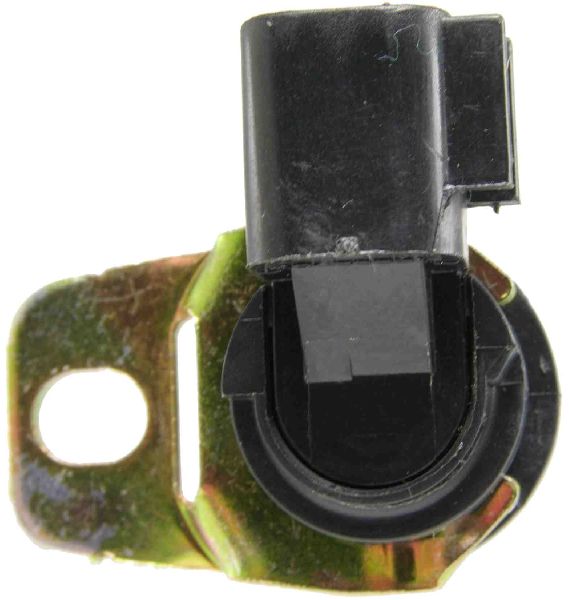
This is a 2-terminal magnetic pickup sensor that includes a new O-ring for installation. It is mounted externally on the transmission case.
We Have This Part in Stock


The information in this article is provided for general reference and educational purposes only. Vehicle specifications, procedures, and part compatibility can vary by production date, trim level, and region. Always consult your vehicle's factory service manual and verify part numbers before purchasing or performing repairs. Safety-critical components such as airbags, seat belts, and braking systems should be installed by a qualified professional.
- Ford E-550 Super Duty: