

Toyota 4Runner Suspension Strut Replacement Guide (2002-2024)
Everything a 4Runner owner needs to know before replacing front suspension struts.
- First, you must identify your suspension type: Standard, X-REAS, or KDSS. Buying the wrong parts is a common, expensive mistake.
- If you have a leaking X-REAS system, the most cost-effective repair is to remove the entire system and replace it with four conventional aftermarket struts and shocks.
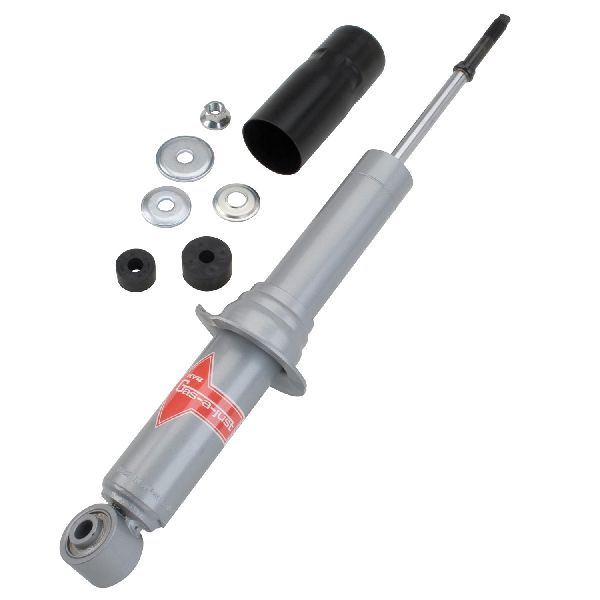
- For a quality replacement that restores the factory ride, KYB is a trusted brand. For budget repairs, brands like FCS and PRT are available but may have lower quality and durability.
- Always replace struts in pairs and plan for a wheel alignment immediately after the job is done to prevent uneven tire wear.
Is it Time for New Struts?

Worn-out struts can make your 4Runner feel bouncy, unstable, and less safe. Because the change happens slowly over time, many owners don't realize how bad their suspension has gotten. A good strut controls the spring's movement, but a worn one lets the vehicle bounce multiple times after hitting a bump. This not only makes the ride uncomfortable but also affects handling and braking.
🎬 Watch: 5 common symptoms of bad struts you shouldn't ignore.Identifying Your 4Runner's Suspension
Before you buy any parts, you MUST know which suspension system your 4Runner has. This is the most common and costly mistake owners make. Look at your front struts to see which system you have:
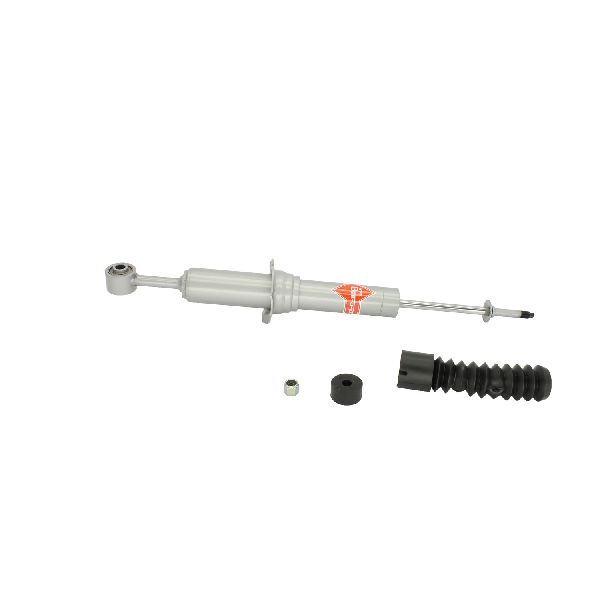
- Standard Suspension: Found on most SR5 and some TRD Off-Road models. These are simple struts with no extra lines attached. Replacement is straightforward.
- X-REAS Suspension: Equipped on 4th Gen Sport, 5th Gen Limited, and 5th Gen TRD Sport models. You will see a hydraulic line connected to the side of the strut body. This system links the front and rear opposite shocks to reduce body roll.
- KDSS (Kinetic Dynamic Suspension System): An option on TRD Off-Road models. This system has very thick, hydraulically controlled sway bars. While the struts themselves are standard, replacing them requires a special procedure to avoid damaging the KDSS system. 🎬 Watch this DIY guide for replacing struts on KDSS-equipped models.
Special Note for X-REAS Owners
The X-REAS system is known to fail and leak, sometimes with as little as 40,000 miles. When one part leaks, the entire linked system is compromised. Replacing it with new Toyota X-REAS parts is extremely expensive, often quoted at over $3,500. The most common and recommended repair is to 'delete' the system by removing all the X-REAS shocks and hydraulic lines and replacing them with four new conventional aftermarket struts and shocks. This does not cause any warning lights on the dash as the system is purely mechanical.
🎬 See how to quickly remove the X-REAS system yourself.Choosing the Right Aftermarket Struts

Aftermarket struts offer a wide range of options, from simple OEM-quality replacements to heavy-duty off-road performance models. Here’s a breakdown of the brands available:
Brand Quality Tiers
- OEM-Equivalent Quality (Good): KYB is a well-regarded brand and is an original equipment manufacturer for Toyota, meaning their parts often match the factory ride and quality. Many owners find them to be a reliable choice for restoring the original handling. They can be slightly firmer than the original struts.
- Standard Replacement (Fair): Monroe struts are a common aftermarket option. They are often described as providing a softer ride than OEM but may not last as long as higher-quality brands. Belltech offers struts often tuned for lifted or lowered trucks, focusing on controlling body roll and pitch.
- Economy / Budget (Use with Caution): FCS, PRT, and Rancho fall into the budget category. While the low price is appealing, owner reviews are mixed. Many professional mechanics and users report that these brands can provide a harsh ride, have inconsistent quality, and may not last long. Rancho struts, in particular, are often cited by 4Runner and other truck owners as being a low-quality part that rides poorly. FCS and PRT are generally considered short-term solutions.
Pro Tip: Complete Strut Assemblies
For an easier and safer DIY installation, consider buying a "complete" or "loaded" strut assembly. This includes a new strut, coil spring, and top mount, all pre-assembled. This eliminates the need for a dangerous spring compressor tool and significantly reduces installation time. However, some mechanics note that the spring quality in budget-tier complete assemblies can be poor, leading to a harsh ride.
Known Issues, Recalls, and TSBs

- Recall 19V670000: Southeast Toyota issued a recall for some 2018-2019 4Runners because steering and suspension components may not have been properly tightened during accessory installation, which could lead to a loss of control.
- TSB T-SB-0094-20: Some 2019-2020 4Runner TRD Pro models with Fox shocks may have a knocking noise from the front suspension in cold weather (below 40°F). The fix involves replacing the front shock absorbers with improved parts.
- Broken Coil Springs: Some 2015-2018 TRD Pro models with Bilstein struts experienced breaking or cracking of the front coil springs, often in colder climates. Toyota issued a service bulletin to address this with a redesigned spring and collar.
Cost to Replace 4Runner Suspension Struts

The cost can vary widely based on your 4Runner's suspension system and the parts you choose. Getting an alignment after replacement is always recommended.
| Part Type | Estimated Part Cost (Pair of Fronts) | Notes |
|---|---|---|
| New OEM (Standard) | $320 - $500 | Standard SR5 replacement struts. Price varies by dealer. |
| New OEM (X-REAS / TRD Pro) | $1600 - $2500+ | Very expensive. A single TRD Pro Fox strut can be over $800. X-REAS replacement is often quoted in the thousands. |
| New Aftermarket | $80 - $450 | Wide range from economy brands ($80-$150) to quality brands like KYB ($250-$450). |
| Shop Labor | $300 - $650 | Labor for a pair of front struts. Removing an X-REAS system may add 1-2 hours of labor. |
Frequently Asked Questions
Can I replace just one strut?
It is always recommended to replace struts in pairs (both front or both rear) to ensure even handling and prevent unpredictable steering and braking. Mismatched struts can make the vehicle unstable.
Do I need an alignment after replacing struts?
Yes. The strut is a key part of the front suspension's alignment angles. Replacing it will almost always change the alignment, so a professional wheel alignment is necessary to prevent rapid tire wear and ensure proper handling.
Can I convert my X-REAS suspension to standard struts?
Yes, and this is the most common repair for a failed X-REAS system. You simply remove the old struts, shocks, and all interconnected hydraulic lines, then install a set of four conventional aftermarket struts and shocks. There are no electronic issues to worry about.
What is the difference between a shock and a strut?
A strut is a complete suspension assembly that combines a shock absorber and a coil spring into a single unit. It is a structural part of the suspension. A shock absorber is just the damper itself and is separate from the spring. The front of the 4Runner uses struts, while the rear uses separate shocks and coil springs.
Helpful Videos

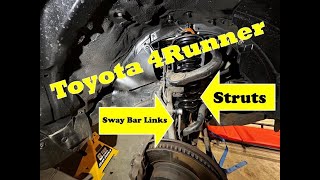
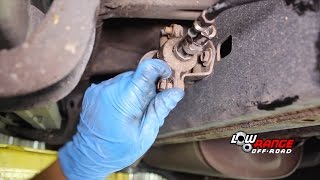
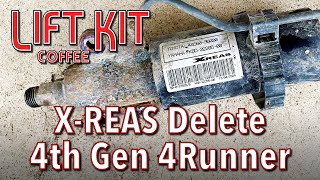
Technical Specifications
OEM Part Numbers: 48510-35430 48510-80498 PTR61-89200-LF PTR61-89200-RF PTR61-89240-RF
The Toyota 4Runner uses a MacPherson strut design for the front suspension. This integrates the shock absorber, coil spring, and upper steering pivot into a single assembly. Different part numbers and designs are used for standard, X-REAS, and TRD Pro/KDSS-equipped models. Always verify fitment by VIN or by visually inspecting your current suspension system before ordering.
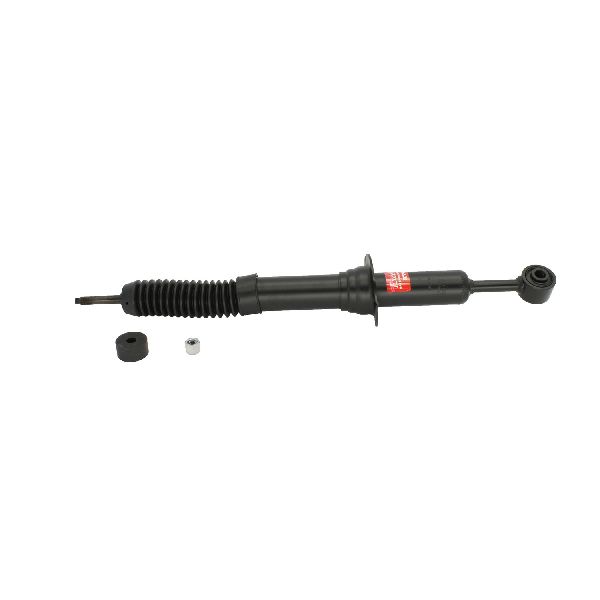
We Have This Part in Stock


The information in this article is provided for general reference and educational purposes only. Vehicle specifications, procedures, and part compatibility can vary by production date, trim level, and region. Always consult your vehicle's factory service manual and verify part numbers before purchasing or performing repairs. Safety-critical components such as airbags, seat belts, and braking systems should be installed by a qualified professional.
- Toyota 4Runner: