

Honda CR-V (2002-2018) Manifold Absolute Pressure (MAP) Sensor Replacement Guide
Is your CR-V running rough or losing power? Your MAP sensor might be the culprit.
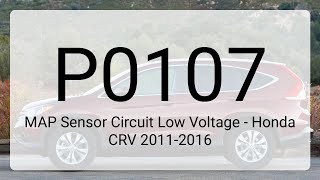
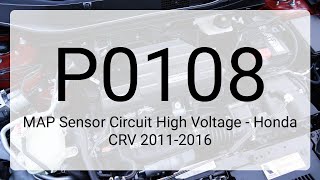
- A bad MAP sensor on a CR-V causes rough idle, poor acceleration, bad gas mileage, and a check engine light with codes like P0107 or P0108.
- Replacement is very easy for a DIYer, taking less than 30 minutes with basic tools.
- For best results and to avoid future issues, choose an OEM-equivalent brand like Denso, or a top-tier aftermarket brand like Delphi, NGK, or Standard Ignition.
- Before replacing, check for simple fixes like a loose electrical connector or a cracked vacuum hose, as these can cause the same symptoms.
Understanding MAP Sensor Failure in Your CR-V

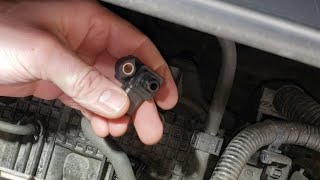
The Manifold Absolute Pressure (MAP) sensor is a small but critical electronic component. On the 2002-2018 Honda CR-V, it's typically located on or near the throttle body or intake manifold. Its job is to tell the engine's computer how much load the engine is under. When this sensor starts to fail, the computer gets bad information, leading to a range of noticeable engine problems. It's important not to confuse the MAP sensor with the Mass Airflow (MAF) sensor; CR-V models in this year range use a MAP sensor-based system.
Don't Ignore the Signs
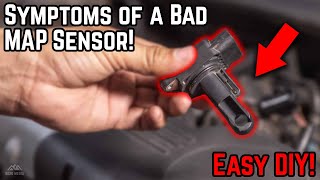
While you can usually drive with a failing MAP sensor, it's not recommended for long. Ignoring the symptoms can lead to poor fuel economy, failed emissions tests, and potentially damage your catalytic converter over time due to an incorrect air-fuel mixture. 🎬 Watch: A breakdown of MAP sensor symptoms and causes. Addressing the issue promptly saves you fuel and prevents more expensive repairs down the road.
Is it the MAP Sensor or Something Else?

Symptoms of a bad MAP sensor can sometimes be caused by other issues, like a vacuum leak from a cracked hose. Before replacing the sensor, it's a good idea to quickly inspect the vacuum lines connected to the intake manifold for any cracks or loose connections. Also, check the sensor's electrical connector to make sure it's secure and free of corrosion. Sometimes, simply cleaning a dirty sensor with a dedicated electronic or MAF sensor cleaner can resolve issues.
Choosing the Right Aftermarket MAP Sensor

When it's time to replace the sensor, you have options ranging from OEM-equivalent parts to budget-friendly alternatives. For a critical sensor like this, quality matters.
Brand Quality Tiers for Honda CR-V
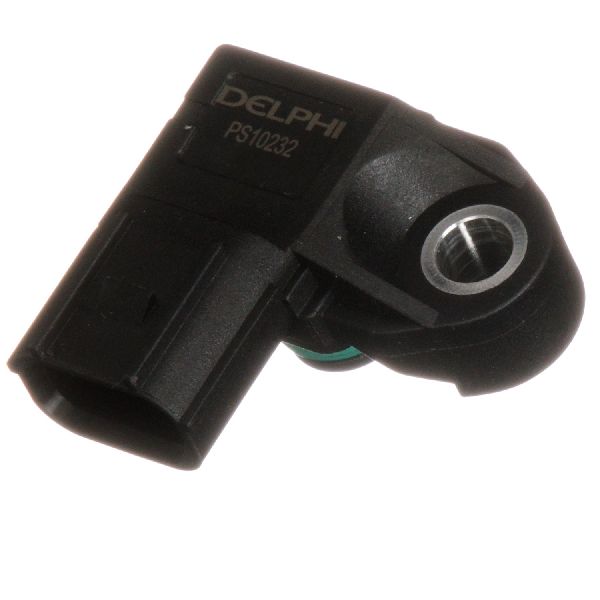
- OEM-Equivalent / Top-Tier Aftermarket: Denso is a well-known original equipment manufacturer for Honda, making their aftermarket parts a reliable choice. Brands like Delphi, NGK (NTK), and Standard Ignition (SMP) also have a strong reputation for producing high-quality sensors that meet or exceed OE specifications. These are your best bet for a long-lasting, trouble-free repair.
- Performance Aftermarket: Skunk2 Racing is a brand focused on high-performance applications. While a quality part, it's generally overkill for a stock daily-driven CR-V and may be calibrated for modified engines.
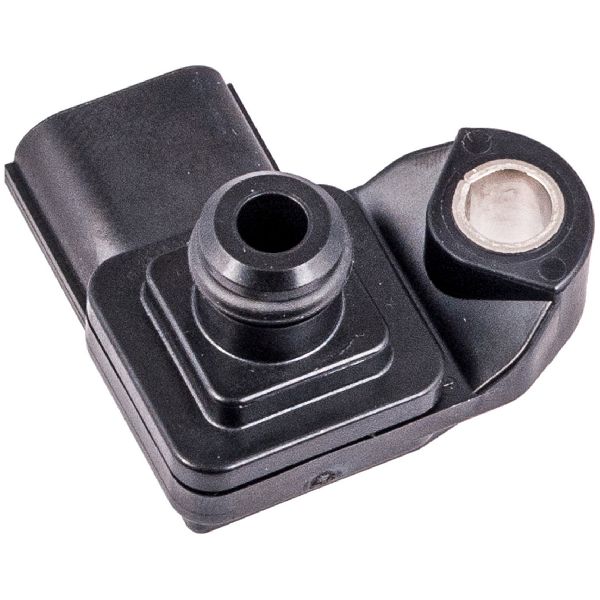
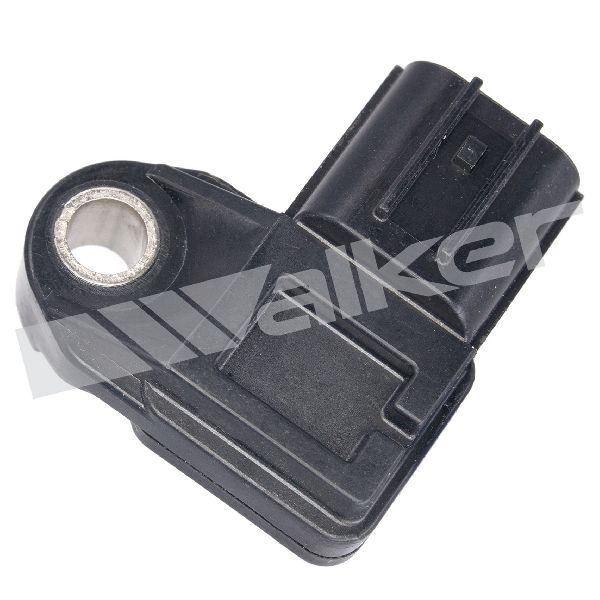
- Standard/Value Aftermarket: Brands like Spectra, Walker Products, Hella, Holstein, Facet, and Global Parts offer more budget-friendly options. While they can be a good value, forum discussions suggest that with electronic sensors for Hondas, sticking to top-tier brands often prevents issues like incorrect readings or premature failure that can occur with some cheaper alternatives.
A Note on OEM vs. Aftermarket
Many owners and mechanics recommend using an OEM or OEM-equivalent sensor (like Denso) for Hondas to avoid compatibility or performance issues. While the initial cost might be slightly higher than a budget brand, it provides peace of mind and reduces the chance of having to do the job twice.
Installation Overview

Replacing the MAP sensor on a 2002-2018 CR-V is a straightforward job that most DIYers can handle in under 30 minutes.
- Locate the Sensor: On most CR-V engines, the MAP sensor is mounted directly on the throttle body or the intake manifold, usually held in place by one or two small bolts.
- Disconnect: First, disconnect the negative battery terminal. Then, press the tab on the electrical connector and pull it off the sensor.
- Remove: Unscrew the mounting bolt(s) (often an 8mm or 10mm). Be careful not to drop them.
- Replace: Gently wiggle and pull the old sensor straight out. Ensure the old O-ring comes out with it. Lightly lubricate the O-ring on the new sensor with clean engine oil and press it firmly into place.
- Reassemble: Re-install the mounting bolt(s) and reconnect the electrical connector, ensuring it clicks into place. Reconnect the battery.
Frequently Asked Questions
Can I clean my MAP sensor instead of replacing it?
Sometimes, yes. If the sensor is dirty with oil or carbon buildup, cleaning it with a dedicated Mass Airflow (MAF) or electronics cleaner can restore its function. However, if the sensor's internal electronics have failed, cleaning will not help and replacement is necessary.
What are the main differences between CR-V generations for this part?
The location and part number may vary slightly between generations (2002-2006, 2007-2011, 2012-2016, 2017-2018). For example, on some later models with the 1.5L Turbo engine, there may be two MAP sensors. However, the function, failure symptoms, and replacement difficulty are very similar across the entire 2002-2018 range. Always verify the part fits your specific year and engine.
🎬 Watch: MAP sensor replacement walkthrough for 2017-2018 models.Are there any recalls for the CR-V MAP sensor?
A search of NHTSA records did not find any specific recalls for the MAP sensor itself on the 2002-2018 Honda CR-V. Recalls for this vehicle range have focused on other issues like airbags, fuel tanks, or seat sensors.
Why do some mechanics say to only use OEM sensors on Hondas?
Honda engine management systems can be sensitive to sensor inputs. An OEM or OEM-equivalent sensor (like Denso) guarantees that the voltage and frequency signals are exactly what the ECU expects. Some lower-quality aftermarket sensors can have slightly different calibrations, which may cause subtle performance issues, poor fuel economy, or even trigger a check engine light, even if the part is new.
Helpful Videos
Technical Specifications
OEM Part Numbers: 37830-PNC-003 37830-RNA-A01 37830-PAA-S00 37830-PGK-A01 37830-5AA-A02
The sensor provides a variable voltage or frequency signal to the ECU corresponding to manifold pressure. At idle, a functional sensor on a Honda should output a voltage of around 1.0-1.5V. This voltage increases as the throttle opens and manifold pressure rises.
We Have This Part in Stock


The information in this article is provided for general reference and educational purposes only. Vehicle specifications, procedures, and part compatibility can vary by production date, trim level, and region. Always consult your vehicle's factory service manual and verify part numbers before purchasing or performing repairs. Safety-critical components such as airbags, seat belts, and braking systems should be installed by a qualified professional.
- Honda CR-V: