

Nissan Maxima Intake Manifold Runner Valve Guide (2002-2017)
Address engine rattle and the P1800 check engine light by understanding the intake manifold runner valve.
- The most common sign of failure is a P1800 check engine light code.
- A rattling noise from the intake manifold is a serious symptom that could lead to engine damage if ignored.
- Replacement is very easy, requiring only basic tools and about 30 minutes.
- An aftermarket solenoid is a cost-effective and reliable solution compared to the expensive OEM part.
Understanding the VIAS System in Your Maxima

On many Nissan V6 engines from this era, the Variable Intake Air System (VIAS) is crucial for performance. The system consists of the control solenoid valve (the part you can replace), vacuum lines, and a power valve (a butterfly flap) inside the intake manifold. The solenoid is the brain, telling the valve when to open or close using engine vacuum. While the solenoid itself can fail electrically, it's also common for the internal power valve's screws to loosen, causing a distinct rattle. It is important to determine if your issue is the external solenoid or the internal valve mechanism.
Symptoms of a Failing Intake Manifold Runner Valve

When the VIAS control solenoid fails, you will likely notice a few specific symptoms. The most common is the check engine light illuminating with diagnostic trouble code P1800. You may also experience reduced engine performance, a feeling of sluggishness during acceleration, and a decrease in fuel economy. In many cases, especially on the 2002-2008 models, a noticeable rattling noise from the top of the engine is a primary symptom. This noise might only occur at certain RPMs when the solenoid tries to activate the power valve.
A Note on Engine Rattle
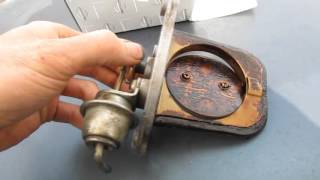
A rattling noise from the intake manifold area can be more serious than just a bad solenoid. It often points to loose screws on the internal power valve. If these screws fall out, they can enter the engine's cylinders and cause severe damage. If you hear a rattle, it's best to investigate immediately. You can sometimes diagnose this by manually moving the power valve actuator arm 🎬 Watch this video to hear the specific intake manifold rattle. (with the engine running) to see if the noise changes.
Choosing an Aftermarket Replacement Part

For the Nissan Maxima, the VIAS control solenoid is a part where an aftermarket replacement offers significant savings. The OEM part can be costly, with prices sometimes exceeding $150-$200. Aftermarket brands like Replacement, Dorman, and URO Parts provide a cost-effective alternative that performs the same function. Since this is a relatively simple electronic solenoid, a quality aftermarket unit is often a reliable and budget-friendly choice for resolving the common P1800 code. Many owners have successfully used aftermarket solenoids to fix their issues without paying dealership prices.
Cost of a New Intake Manifold Runner Valve
| Part Type | Estimated Cost |
|---|---|
| New OEM | $190 - $280 |
| New Aftermarket (Replacement Brand) | $39.03 |
| Shop Labor | $45 - $140 |
Frequently Asked Questions (FAQ)

What is the P1800 code on my Nissan Maxima?
The P1800 code specifically points to a fault in the VIAS 🎬 Learn how to diagnose the P1800 code on your Nissan. (Variable Intake Air System) control solenoid valve circuit. This means the engine's computer has detected a problem with the solenoid or its wiring, preventing it from controlling the intake runner valve correctly. Replacing the solenoid is the most common fix for this code.
Is the intake manifold runner valve the same as the VIAS solenoid?
Yes, these terms are often used interchangeably for this part. The official name is often VIAS Control Solenoid Valve, but it is commonly called an intake manifold runner valve or actuator. It is the electronic component that controls the power valve inside the intake manifold.
Can I perform this replacement myself?
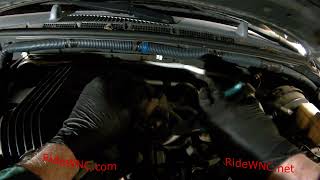
Yes, this is a very DIY-friendly repair. The solenoid is typically located on top of the intake manifold and held in place by a single 10mm bolt. The job involves disconnecting the electrical connector, two vacuum hoses, and the bolt, then swapping the part. The entire process can usually be completed in under 30 minutes 🎬 See a detailed walkthrough of the VIAS solenoid repair process. with basic hand tools.
What happens if I don't replace a faulty runner valve?
Driving with a bad solenoid will cause a persistent check engine light and may lead to reduced performance and poor fuel economy. If the failure is related to a rattling internal valve, ignoring it could lead to catastrophic engine damage if screws come loose and enter the cylinders. Given the low cost of an aftermarket part and the ease of replacement, it's best to address the issue promptly.
Helpful Videos


Technical Specifications
OEM Part Numbers: 14955-8J10A 14955-8J100
This part is also known as the VIAS (Variable Intake Air System) Control Solenoid Valve. It is a 2-pin electronic solenoid that controls a vacuum-actuated power valve within the intake manifold.

The information in this article is provided for general reference and educational purposes only. Vehicle specifications, procedures, and part compatibility can vary by production date, trim level, and region. Always consult your vehicle's factory service manual and verify part numbers before purchasing or performing repairs. Safety-critical components such as airbags, seat belts, and braking systems should be installed by a qualified professional.
- Nissan Maxima: