

A Guide to Replacing Oxygen Sensors on Your 2002-2016 Toyota Tacoma
Keep your Tacoma running efficiently by understanding when and how to replace a faulty oxygen sensor.
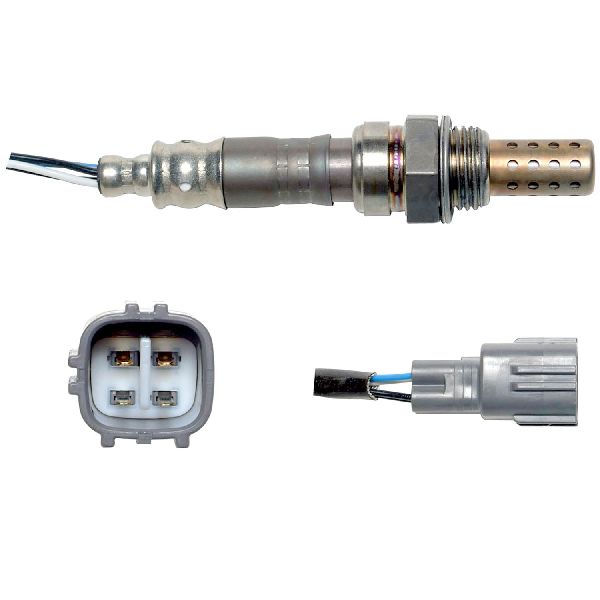
- Denso is the original equipment manufacturer (OEM) for Toyota; using Denso aftermarket sensors is the safest and most recommended choice.
- Tacoma V6 engines have four O2 sensors, while 4-cylinder engines have two. You must order the correct sensor for the specific location (upstream/downstream, left/right).
- A failing oxygen sensor will decrease fuel economy and can lead to costly catalytic converter damage if ignored.
- Rust is the biggest challenge during replacement; seized sensors may require heat and special tools to remove.
Is Your Tacoma's Oxygen Sensor Failing?


A bad oxygen sensor can cause noticeable problems with your truck. Because the sensor is a key input for the engine's computer, a bad signal can throw off the air/fuel mixture, leading to poor performance and other issues. Ignoring a failing sensor can even lead to expensive damage to your catalytic converter over time.
Key Symptoms of a Bad O2 Sensor:
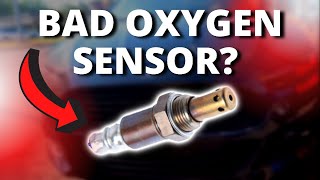
🎬 Watch this video to see common symptoms of a bad sensor.- Check Engine Light: This is the most common sign. The light may be triggered by codes like P0135, P0141, or P0420.
- Poor Fuel Economy: A bad sensor can cause the engine to run rich, using more fuel than necessary.
- Rough Idle and Misfires: The engine may run unevenly or shake at a stop because the air/fuel mixture is incorrect.
- Sluggish Acceleration: Your truck might feel hesitant or lack power when you press the gas pedal.
- Failed Emissions Test: An incorrect air/fuel mixture leads to higher emissions, which will cause you to fail a smog check.
- Rotten Egg Smell: This odor from the exhaust can indicate that unburned fuel is overheating the catalytic converter due to a rich mixture.
Known Issues & Recalls
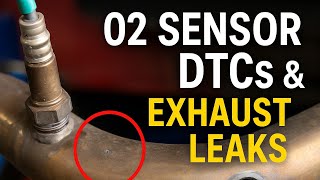
While there are no widespread recalls for oxygen sensors on the 2002-2016 Tacoma, some vehicles have been subject to Special Service Campaigns. For example, some models experienced wire degradation inside the sensor harness from vehicle vibration, which could trigger a check engine light. Additionally, a technical tip from Toyota (T-TT-0686-22) notes that codes like P0420 can sometimes be caused by tiny exhaust leaks near the sensor, not a faulty sensor itself. Always check for exhaust leaks before replacing expensive parts.
🎬 Learn more about what causes common Toyota oxygen sensor codes.Choosing the Right Aftermarket Oxygen Sensor

When it comes to sensors for your Tacoma, brand choice matters. Toyota's engine computer can be sensitive to the signals from aftermarket parts that aren't designed to exact specifications. For this reason, many owners and mechanics report issues with generic or budget brands.
Brand Quality Tiers for Toyota Tacoma
Tier 1: OEM Equivalent (Highly Recommended)
- Denso: Denso is the Original Equipment Manufacturer (OEM) for Toyota. Choosing a Denso aftermarket sensor is like getting the same part from the dealership without the Toyota-branded box and higher price tag. This is the most recommended brand for a guaranteed fit and proper function.
- NGK/NTK: NGK (under their NTK sensor brand) is another top-tier Japanese manufacturer that is highly regarded and often used as an OEM supplier. They are a reliable alternative to Denso.
Tier 2: Reputable Aftermarket (Use with Caution)
- Bosch: Bosch is a massive, high-quality parts manufacturer. However, owner experiences are mixed. While some have no issues, many Tacoma owners report that their trucks "do not run correctly with Bosch brand parts," leading to check engine lights or poor performance. It's generally safer to stick with Denso or NGK.
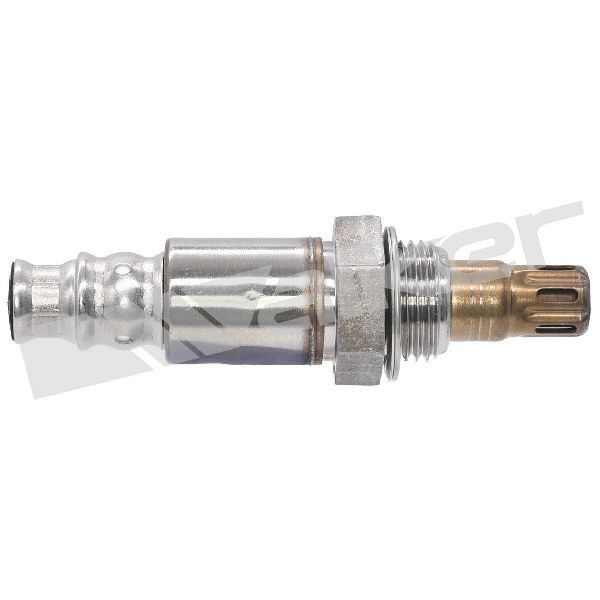
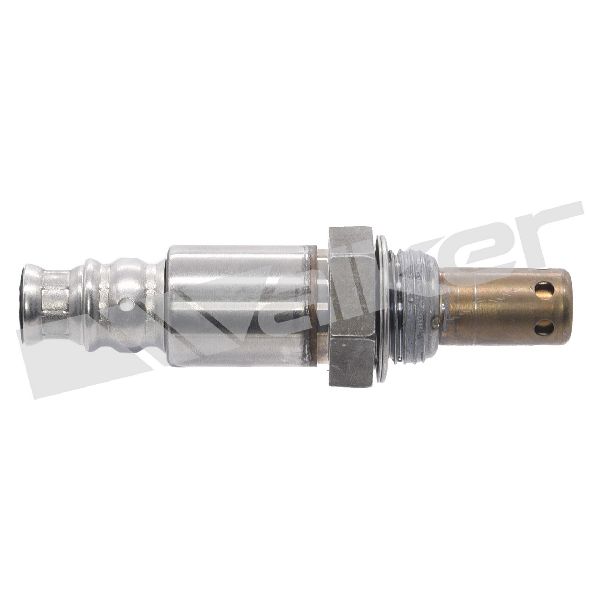
- Delphi, Walker Products: These are established aftermarket brands, but they are not as commonly recommended for Tacomas as Denso or NGK.
Tier 3: Budget Brands (Not Recommended)
- DriveWire, URO Parts, Facet, Spectra: While the low price is tempting, these brands are not recommended for a critical component like an oxygen sensor on a Tacoma. The risk of incorrect signals, premature failure, and persistent check engine lights is high.
Pro Tip: Upstream vs. Downstream
Your Tacoma has different sensors for "upstream" (before the catalytic converter) and "downstream" (after the converter). These are often called Air/Fuel Ratio Sensors and Oxygen Sensors, respectively. They are not interchangeable. V6 models have four sensors in total (two upstream, two downstream), while 4-cylinder models have two. Always verify the exact sensor you need for your specific engine and location before ordering.
Cost of Replacing a Toyota Tacoma Oxygen Sensor

The cost can vary significantly based on the sensor's location (upstream sensors are often more expensive) and whether you do the work yourself.
| Item | Estimated Cost |
|---|---|
| New Aftermarket Oxygen Sensor | $26 - $373 |
| New OEM Oxygen Sensor | $155 - $230+ |
| Shop Labor | $75 - $110 |
| Total Professional Replacement | $230 - $492+ |
Frequently Asked Questions
How many oxygen sensors does my Tacoma have?
It depends on your engine. V6 models (like the 4.0L) have four sensors: one upstream and one downstream on each side of the engine (Bank 1 and Bank 2). Four-cylinder models typically have two sensors: one upstream and one downstream.
What is the difference between an upstream and downstream sensor?
The upstream sensor (also called an Air/Fuel Ratio Sensor) is located before the catalytic converter and is the primary sensor used by the engine computer to adjust the fuel mixture. The downstream sensor is located after the catalytic converter and its main job is to monitor the converter's efficiency. If the downstream sensor's readings start to look like the upstream sensor's, it triggers a P0420 code, indicating the converter isn't working properly.
Should I replace all the sensors at once?
It's not always necessary, but it can be a good idea if your truck has high mileage (over 100,000 miles). O2 sensors degrade over time, so if one has failed, the others may not be far behind. Replacing them in sets can ensure continued engine efficiency.
Can I use a 'universal' oxygen sensor?
It is strongly advised not to. Universal sensors require you to cut and splice wires to fit your vehicle's connector. This introduces a potential point of failure. Given how sensitive the Tacoma's computer is, it is best to use a direct-fit sensor from a reputable brand like Denso.
Why is replacing a rusty oxygen sensor so difficult?
Oxygen sensors are screwed into the exhaust pipe, where they are exposed to extreme heat cycles and moisture, causing them to seize due to rust. Removing a seized sensor without the right tools (like a special O2 sensor socket and a torch) and penetrating oil can be very difficult and may even damage the exhaust pipe or break the mounting studs.
Helpful Videos
Technical Specifications
OEM Part Numbers: 89465-04270 89465-04340 89465-02430
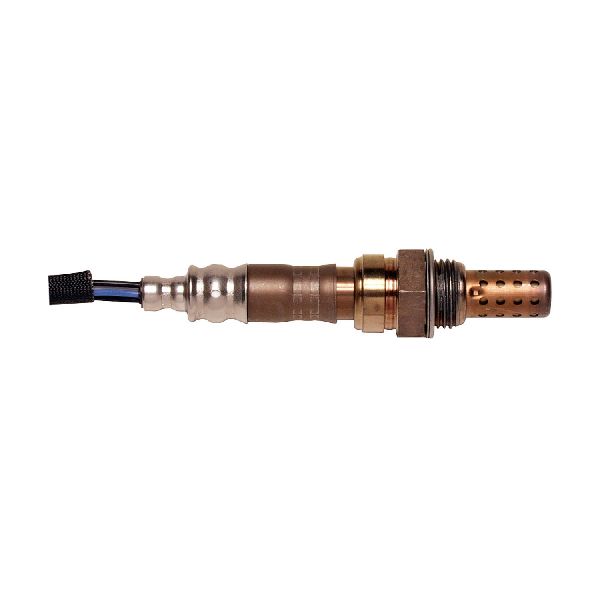
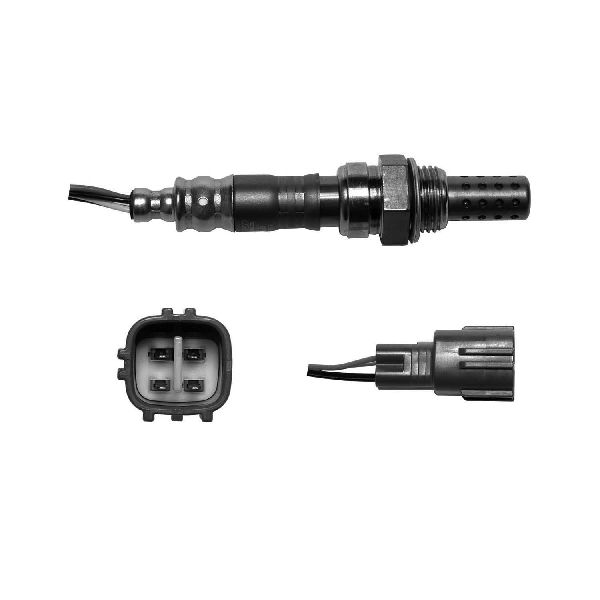
Number of sensors varies by engine (2 for I4, 4 for V6). Sensors are location-specific (Upstream/Downstream, Bank 1/Bank 2). Upstream sensors are often called Air/Fuel Ratio sensors. Downstream sensors are typically called Oxygen Sensors. Most use a 4-wire, heated, direct-fit design with a flange mount held by two 12mm nuts.
We Have This Part in Stock


The information in this article is provided for general reference and educational purposes only. Vehicle specifications, procedures, and part compatibility can vary by production date, trim level, and region. Always consult your vehicle's factory service manual and verify part numbers before purchasing or performing repairs. Safety-critical components such as airbags, seat belts, and braking systems should be installed by a qualified professional.
- Toyota Tacoma: