

A Guide to Replacing Spark Plugs in Your 2002-2015 Kia Sedona
Keep your Sedona's V6 engine running smoothly by understanding the unique challenges of this essential maintenance task.
- The biggest challenge and cost for this job is the labor required to remove the intake manifold to access the three rear spark plugs.
- Because of the high labor cost, using long-life Iridium spark plugs from OEM brands like NGK or Denso is the most cost-effective strategy.
- Always replace all six spark plugs at the same time, along with the intake manifold gasket.
- Symptoms of failure include a rough idle, poor acceleration, decreased fuel economy, and a flashing check engine light with P030X misfire codes.
The Main Challenge: Replacing the Rear Spark Plugs

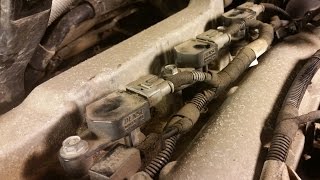
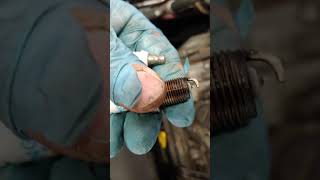
When it comes to changing the spark plugs on a 2002-2015 Kia Sedona, there's one major factor to consider: the V6 engine is mounted sideways. This means the front three spark plugs are easy to access, but the rear three are hidden underneath the large upper intake manifold. To get to them, this entire part must be removed. 🎬 Watch: Step-by-step guide to removing the manifold and plugs. This makes the job significantly more complex and time-consuming than on many other vehicles. Because of this high-labor task, it's critical to choose the right replacement plugs to get the most life out of them.
Labor is the Biggest Cost
The cost of labor to remove the intake manifold is the most expensive part of a spark plug change on this vehicle. This is why simply choosing the cheapest spark plugs is a bad idea; you'll have to pay for the same expensive labor again much sooner.
Symptoms of Failing Spark Plugs

When your Sedona's spark plugs are wearing out, your vehicle will give you several warning signs. You might notice one or more of the following symptoms:
- Rough Idling: The engine may shake or sound uneven when you're stopped.
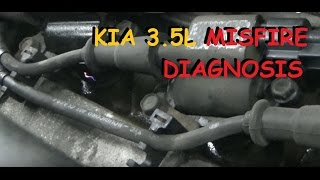
- Engine Misfires: You may feel a hesitation or stumble during acceleration. This can cause the Check Engine Light to flash. 🎬 See how to diagnose a misfire on your Sedona.
- Poor Acceleration: The van may feel sluggish or slow to respond when you press the gas pedal.
- Reduced Fuel Economy: You may find yourself filling up the gas tank more often than usual.
- Difficulty Starting: The engine may take longer to turn over and start.
Choosing the Right Aftermarket Spark Plugs

For this specific job, the type of spark plug you choose matters. Given the high labor cost, you want the longest-lasting plugs available. The original factory plugs are typically NGK or Denso.
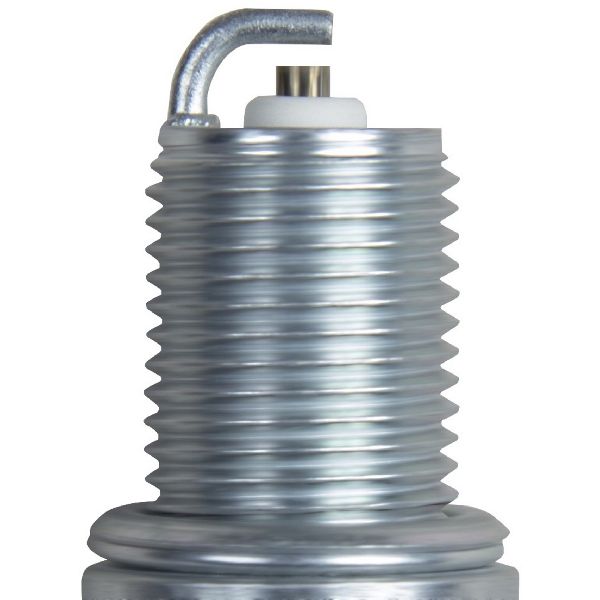
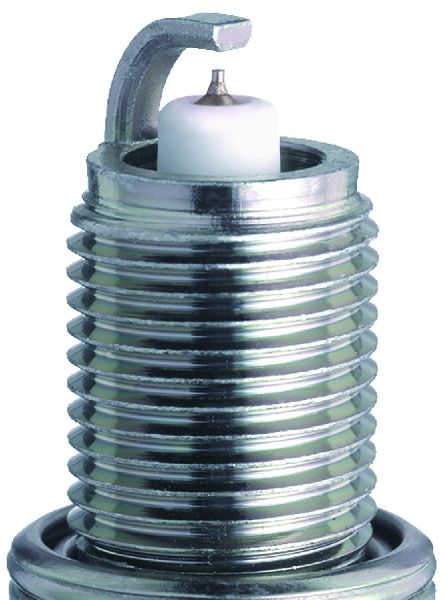
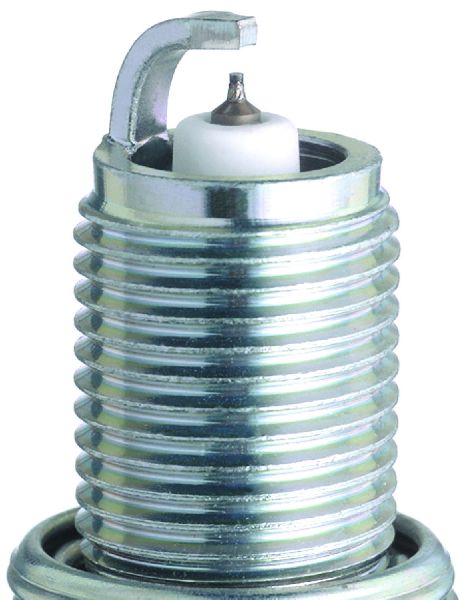
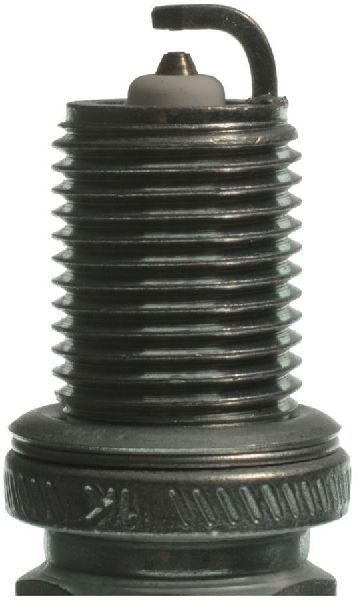
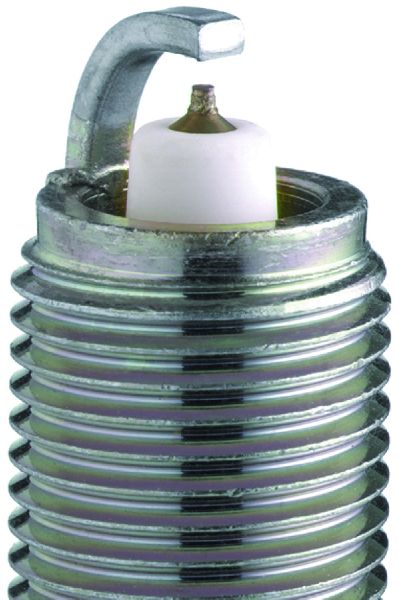
- Top Tier (Recommended): NGK and Denso are original equipment suppliers for Kia. Choosing their Iridium plugs is your best bet. Iridium is a very hard material that resists wear, offering a lifespan of up to 100,000 miles. This maximizes the time before you need to perform this difficult service again.
- Quality Alternatives: Bosch and Champion also produce high-quality Iridium and Platinum spark plugs that are excellent choices. Their top-tier plugs provide long life and reliable performance.
- Budget Options: While Autolite offers more affordable plugs, it is strongly recommended to choose their Iridium or double-platinum options. Avoid basic copper plugs for this vehicle. While cheap, they have a very short service life (around 30,000 miles), which is not practical given the labor-intensive replacement process for the rear plugs.
While You're In There...
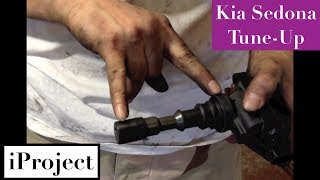
Since the intake manifold has to be removed, it is the perfect time to replace a few other inexpensive parts. Always install a new intake manifold gasket to prevent vacuum leaks. 🎬 Watch: Replacing spark plugs with the intake manifold removed. It's also a good idea to replace the spark plug wires (on older models) and consider replacing the PCV valve.
Known Issues, Recalls, and TSBs
Searches for recalls and Technical Service Bulletins (TSBs) related directly to spark plugs on the 2002-2015 Sedona did not find any specific campaigns for the plugs themselves. However, misfire codes (P0300-P0306) are often caused by worn plugs. Some Sedona model years have been subject to other recalls, such as for a fuel rail that may crack (2011-2012 models) or an ABS module that could short circuit (2006-2010 models), but these are unrelated to the spark plugs.
Cost of Spark Plug Replacement

| Item | Estimated Cost |
|---|---|
| New Aftermarket Spark Plugs (Set of 6) | $21 - $167 |
| New OEM Spark Plugs (Set of 6) | $90 - $150 |
| Shop Labor | $343 - $504 |
| Total Professional Replacement | $488 - $653 |
Frequently Asked Questions
Why is the replacement cost so high for a Kia Sedona?
The high cost is almost entirely due to labor. The rear three spark plugs are located under the engine's upper intake manifold, which must be removed for access. This process can take a mechanic several hours.
Do I have to replace all six spark plugs at once?
Yes. It is critical to replace all six plugs at the same time. This ensures even performance and since you have to remove the intake manifold to access the rear three, you should replace them all while you have access to avoid repeating the costly labor.
What's the difference between Iridium, Platinum, and Copper plugs?
The main difference is the material of the center electrode, which affects lifespan and cost. Iridium plugs are the most durable and long-lasting, making them the best choice for the Sedona. Platinum plugs are a good mid-range option. Copper plugs are the least expensive but wear out the fastest and are not recommended for this vehicle due to the difficult replacement job.
Should I replace the ignition coils with the spark plugs?
It is not always necessary, but it can be a good preventative measure, especially on higher-mileage vehicles. A failing ignition coil can cause a misfire, similar to a bad spark plug. If you are already paying for the labor to access the rear plugs, replacing the coils at the same time can save you from having to do the job again in the near future if a coil fails.
Helpful Videos
Technical Specifications
OEM Part Numbers: 1884611070 1884911070 1881711051 1881408051 2741023700
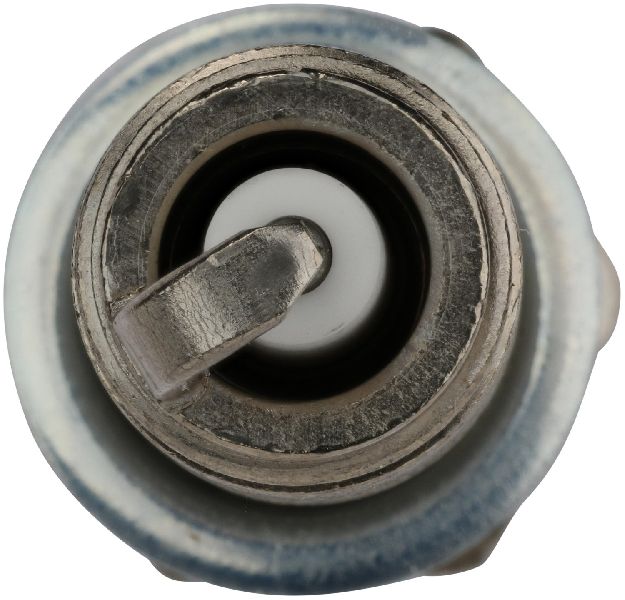
The 2002-2015 Kia Sedona uses a V6 engine where the rear bank of spark plugs is covered by the intake manifold. Engines across these years include the 3.5L and 3.8L V6. Spark plug gap is typically between 1.0 - 1.1 mm (0.039 - 0.043 in). The use of long-life Iridium plugs is highly recommended due to the labor-intensive nature of the replacement.
We Have This Part in Stock

The information in this article is provided for general reference and educational purposes only. Vehicle specifications, procedures, and part compatibility can vary by production date, trim level, and region. Always consult your vehicle's factory service manual and verify part numbers before purchasing or performing repairs. Safety-critical components such as airbags, seat belts, and braking systems should be installed by a qualified professional.
- Kia Sedona: