

Chevrolet Tahoe Engine Crankshaft Position Sensor Guide (2002-2015)
Solve stalling, no-start conditions, and Check Engine Light issues in your Tahoe by understanding this critical engine sensor.
- A failing crank sensor is a common cause of stalling and no-start issues in the 2002-2015 Tahoe.
- For best results, use an OEM-quality replacement from ACDelco or Delphi to avoid repeat failures.
- After replacement, a 'Crankshaft Variation Relearn' procedure with a scan tool is essential to prevent further issues.
- The sensor is located behind the starter motor, which must be removed for access.
Is Your Tahoe Stalling or Not Starting? It Could Be the Crank Sensor.

If your 2002-2015 Chevrolet Tahoe is suddenly stalling, having trouble starting, or running rough, a failing crankshaft position sensor is a likely culprit. This sensor is critical for engine operation, and when it fails, it can leave you stranded. Understanding its symptoms and knowing how to choose the right replacement part can save you time and money.
Symptoms of a Failing Crankshaft Position Sensor
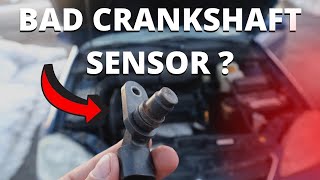
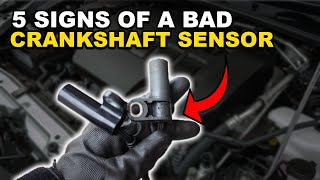
A bad crank sensor can cause several serious problems. The most common signs include:
🎬 Watch: A visual guide to bad crank sensor symptoms- Engine Stalling: The engine may shut off unexpectedly while driving, often when you are slowing down or stopped. This is a major safety concern.
- No-Start or Hard Start: The engine will turn over (crank) but won't fire up because the ECM doesn't see a signal that the crankshaft is spinning.
- Check Engine Light: A fault will trigger the check engine light, with code P0335 (Crankshaft Position Sensor 'A' Circuit Malfunction) being the most common.
- Rough Idle and Misfires: The engine may shake, vibrate, or misfire due to incorrect ignition and fuel timing.
- Poor Acceleration: Your Tahoe may feel sluggish and lack power because the timing isn't advancing correctly as you speed up.
OEM vs. Aftermarket: Choosing the Right Sensor for Your Tahoe

For a critical sensor like this, part quality matters. While many aftermarket options are available, owner and mechanic feedback strongly suggests that sticking close to the original equipment (OE) quality is the safest bet.
Brand Quality Tiers
- Tier 1 (OEM & Premium): ACDelco & Delphi
ACDelco is the genuine GM parts brand and is the most recommended choice for a direct, reliable replacement. Delphi is a well-respected brand that was often the original equipment manufacturer for GM, offering similar quality. Choosing one of these two brands is your best chance to fix the problem correctly the first time. - Tier 2 (Reliable Aftermarket): NGK, Hitachi, Standard Motor Products (SMP)
Brands like NGK (also sold as NTK), Hitachi, and Standard Ignition (SMP) have a strong reputation for producing quality electronic components that meet or exceed OE specifications. They are a solid choice if an OEM part isn't available or if you're looking for a slight cost saving without a major quality compromise. - Tier 3 (Value-Focused): Dorman, Walker, Holstein & Others
Brands like Dorman, Walker Products, and Holstein offer a budget-friendly solution. While they can work, some forum users have reported issues with lower-tier sensors failing prematurely or being dead-on-arrival. These are best considered if budget is the primary concern.
How Much Does a Crankshaft Sensor Replacement Cost?

The total cost depends on whether you do it yourself or have a shop perform the work. The sensor's location on the Tahoe V8 engines makes the job more labor-intensive than on some other vehicles.
| Item | Estimated Cost |
|---|---|
| New Aftermarket Part | $27 - $97 |
| New OEM Part (ACDelco) | $70 - $110 |
| Shop Labor | $130 - $190 |
| Total Estimated Cost (Shop) | $200 - $300 |
Installation and the Critical "Relearn" Procedure
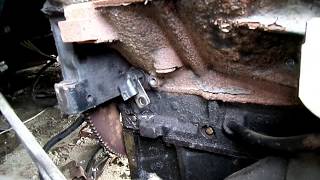
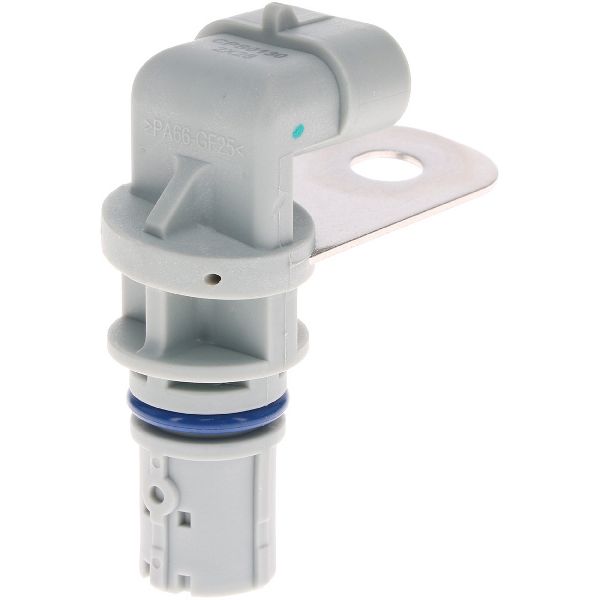
On the 2002-2015 Tahoe with V8 engines (4.8L, 5.3L, 6.0L), the crankshaft position sensor is located on the passenger side of the engine block, just above and behind the starter motor. To access it, the starter must be removed.
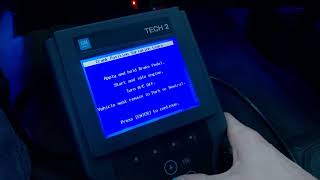
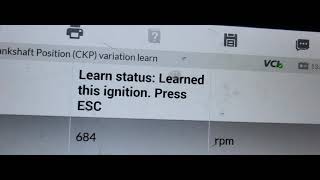
IMPORTANT: After replacing the sensor, a Crankshaft Variation Relearn (also known as a CASE relearn) procedure is almost always required. This procedure uses a bidirectional scan tool to calibrate the new sensor's signal to the ECM. Skipping this step can result in a persistent check engine light (P1336 or P0315), rough running, or misfires, even with a perfectly good new sensor. While some owners report no issues without a relearn, it is a required step according to GM service procedures.
Frequently Asked Questions

What is a crankshaft position relearn?
A crankshaft position relearn is a calibration procedure that synchronizes the engine computer (ECM) with the new crankshaft sensor's signal. It requires a professional-grade scan tool to command the ECM to learn the minor imperfections on the crankshaft's reluctor wheel. This ensures the computer gets precise timing information, which is essential for smooth engine operation.
🎬 Watch: How to perform the crankshaft sensor relearn procedureCan I drive my Tahoe with a bad crank sensor?
It is not recommended. The biggest risk is that the engine can stall at any time, including at highway speeds or in traffic, which can lead to a crash. If the sensor fails completely, the engine will not start, leaving you stranded.
Where is the crankshaft position sensor located on my Tahoe?
For the V8 engines in this generation of Tahoe, the sensor is located on the lower passenger side of the engine block, positioned above the starter. You must remove the starter to gain access to the single bolt holding the sensor in place.
Will a new sensor guarantee my P0335 code goes away?
Usually, but not always. While a faulty sensor is the most common cause for a P0335 code, the issue can also be caused by damaged wiring, a bad connector, or a problem with the engine computer itself. A GM Technical Service Bulletin (TSB 17-NA-317) also notes that electrical interference in the wiring harness can sometimes cause related codes, requiring a harness repair. Always inspect the wiring and connector for damage before assuming the sensor is the only problem.
Helpful Videos

Technical Specifications
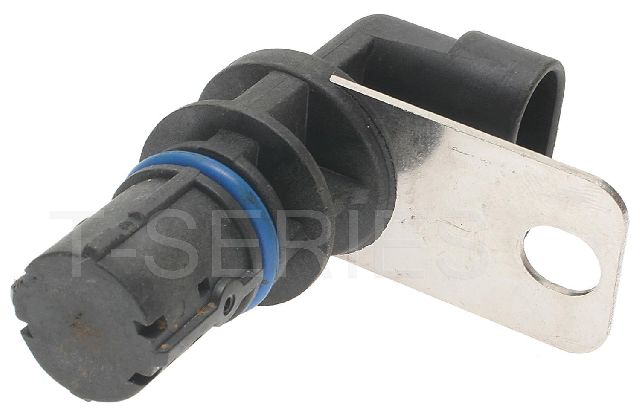
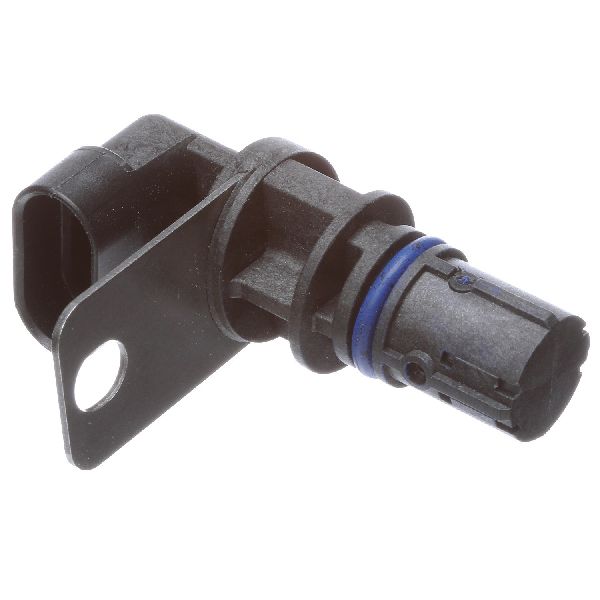
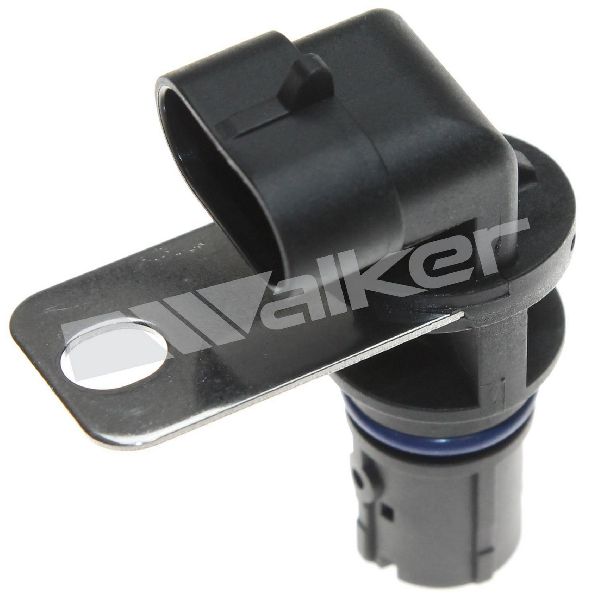
OEM Part Numbers: 12585546 12560228 40009075
This is a 3-pin magnetic hall-effect sensor. After installation, a Crankshaft Variation Relearn (CASE Relearn) must be performed using a compatible bidirectional scan tool to synchronize the sensor with the Engine Control Module (ECM).
We Have This Part in Stock


The information in this article is provided for general reference and educational purposes only. Vehicle specifications, procedures, and part compatibility can vary by production date, trim level, and region. Always consult your vehicle's factory service manual and verify part numbers before purchasing or performing repairs. Safety-critical components such as airbags, seat belts, and braking systems should be installed by a qualified professional.
- Chevrolet Tahoe: