

Ford E-150 Cylinder Head Temperature (CHT) Sensor Guide for 2002-2014 Models
Understand the unique CHT sensor in your Ford E-150 and learn how to choose the right replacement part.
- Your E-150 uses a CHT sensor, not an ECT sensor; they are not interchangeable.
- Replacement is a major job requiring removal of the intake manifold, so labor is the biggest cost.
- Due to the high labor cost, choose a top-tier aftermarket brand like Standard Ignition or Walker Products to avoid repeat repairs.
- Common symptoms include a Check Engine Light (P1299), difficulty starting, and poor performance.
Understanding CHT Sensor Failure in Your E-150
The Cylinder Head Temperature (CHT) sensor is a vital component in your van's engine. Unlike a traditional coolant sensor, it reads the temperature of the cylinder head metal itself. This allows the engine computer to protect the engine even if all coolant is lost. When this sensor fails, it can cause a wide range of problems, from poor performance to a no-start condition. Because the sensor is located under the intake manifold, replacing it is a labor-intensive job, making it important to diagnose the problem correctly and choose a quality part.
Symptoms of a Bad CHT Sensor
A failing CHT sensor can make you think you have a major engine problem. Watch for these common signs:
- Check Engine Light: This is often the first sign. You may see codes like P1289 (Cylinder Head Temp Sensor High Input) or P1299 (Cylinder Head Overtemperature Protection Active).
- Engine Hard to Start: Your van may crank for a long time before it starts, or it might not start at all, especially when warm.
- Poor Engine Performance: You might notice a loss of power, bad acceleration, and worse fuel mileage because the computer is getting wrong information.
- Erratic Temperature Gauge: The temperature gauge on your dashboard might swing wildly, stay on cold, or jump straight to hot.
- Fail-Safe Mode Activated: The engine may enter a reduced-power "limp mode" to protect itself, based on a false overheating signal from the bad sensor.
A Labor-Intensive Replacement
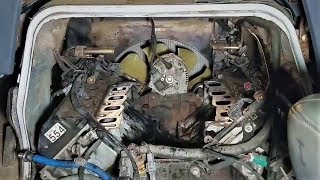
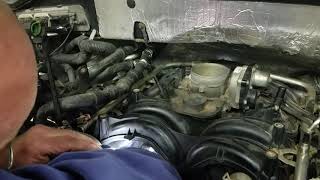
On the 4.6L and 5.4L V8 engines found in the E-150, the CHT sensor is located under the intake manifold. This means a mechanic must remove the entire manifold to access the sensor. 🎬 Watch: Step-by-step guide to removing the E-series intake manifold. This is not a simple repair and can take several hours, making the labor cost much higher than the part itself. Because of this, it is critical to use a high-quality replacement part to avoid doing the job a second time.
Choosing the Right Aftermarket CHT Sensor
While the original Motorcraft part is always a safe bet, several aftermarket brands offer reliable alternatives. Given the high labor cost for this specific repair, it's wise to invest in a quality part rather than the cheapest option available.
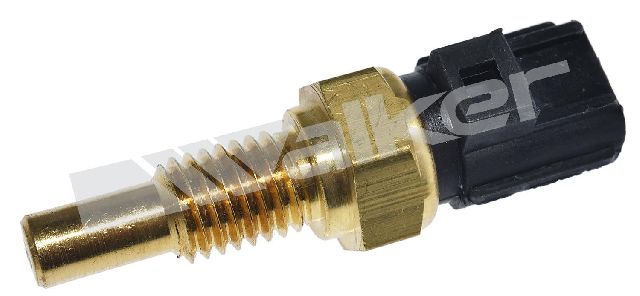
- Top-Tier Aftermarket (Recommended): Brands like Standard Ignition (SMP), Walker Products, and NGK/NTK have a strong reputation for producing parts that meet or exceed OEM specifications. Choosing a sensor from one of these brands is a smart investment for a hard-to-reach part like the E-150's CHT sensor.
- Reputable Aftermarket: Brands like Motorad, Holstein, and Facet offer a balance of quality and price. They are generally considered reliable for most applications.
- Economy Brands: Cheaper, lesser-known brands may be available, but the risk of premature failure or inaccurate readings is higher. For a repair this difficult, saving a few dollars on the part itself is not recommended.
Common Ordering Mistake
Do not confuse the Cylinder Head Temperature (CHT) sensor with an Engine Coolant Temperature (ECT) sensor. Your E-150 uses a CHT sensor located under the intake manifold. An ECT sensor is a different part located in a coolant passage and will not work. Always confirm you are buying a CHT sensor.
Cost to Replace the Ford E-150 CHT Sensor
The cost is dominated by labor due to the sensor's location. Here are some typical price ranges:
| Part/Service | Estimated Cost |
|---|---|
| New Aftermarket CHT Sensor | $15 - $40 |
| New OEM (Motorcraft) CHT Sensor | $30 - $60 |
| Shop Labor | $350 - $750 |
| Total Professional Replacement | $380 - $810+ |
Costs are estimates and can vary based on your location, the shop's labor rate, and the specific part chosen.
Frequently Asked Questions
Where is the CHT sensor located on my 2002-2014 E-150?
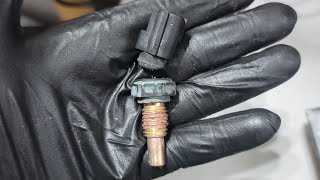
For vans with the 4.6L or 5.4L V8 engine, the CHT sensor is located on the driver's side cylinder head, underneath the intake manifold, usually just behind the alternator. 🎬 See exactly where the CHT sensor is located on the engine. Access requires removing the intake manifold.
What's the difference between a CHT and an ECT sensor?
A CHT (Cylinder Head Temperature) sensor measures the temperature of the engine's metal. An ECT (Engine Coolant Temperature) sensor measures the temperature of the coolant fluid. Your Ford E-150 uses a CHT sensor, which allows it to detect overheating even if there is a total loss of coolant.
Do I need to drain the engine coolant to replace the CHT sensor?
No, the CHT sensor itself is in a 'dry hole' and does not touch coolant. However, you will need to drain some coolant to remove the intake manifold, which is a necessary step to reach the sensor.
My temperature gauge shot up to HOT and then my engine started running rough. Is this the CHT sensor?
This is a classic symptom of Ford's fail-safe cooling mode being activated, which is often triggered by a P1299 code from a faulty CHT sensor. The computer thinks the engine is critically overheating (even if it's not) and cuts fuel to some cylinders to try and cool it down, causing the rough running.
🎬 Watch this walkthrough for replacing the CHT sensor on Triton engines.Helpful Videos


Technical Specifications
OEM Part Numbers: 8L3Z6G004A XL3Z6G004AA
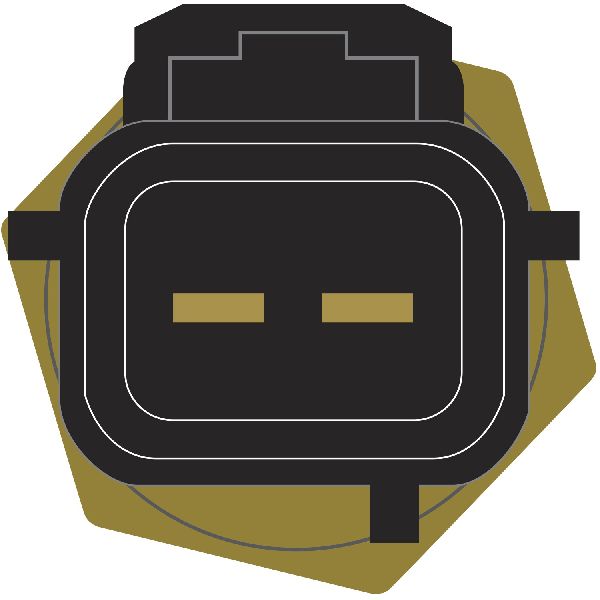
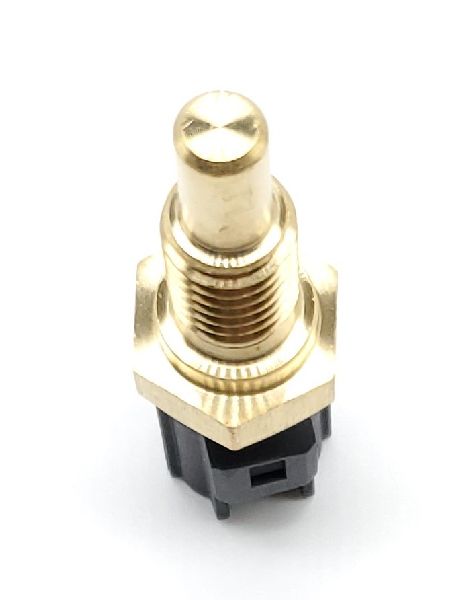
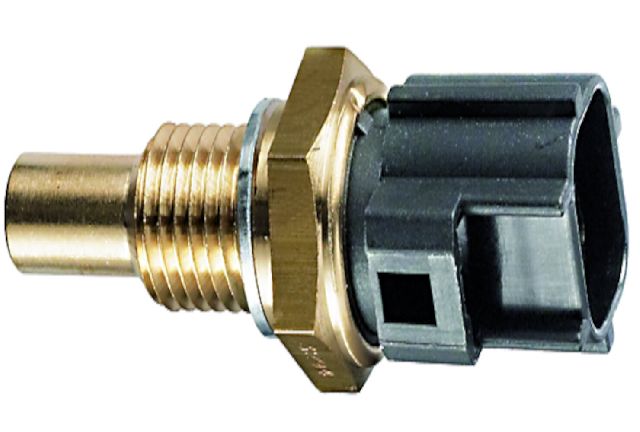
This is a thermistor-type sensor that installs into a dry port on the cylinder head, typically under the intake manifold. It does not come into contact with engine coolant.
We Have This Part in Stock


The information in this article is provided for general reference and educational purposes only. Vehicle specifications, procedures, and part compatibility can vary by production date, trim level, and region. Always consult your vehicle's factory service manual and verify part numbers before purchasing or performing repairs. Safety-critical components such as airbags, seat belts, and braking systems should be installed by a qualified professional.
- Ford E-150: