

Acura TL Catalytic Converter Replacement Guide (2002-2014)
Everything you need to know about fixing the P0420 and P0430 error codes on your Acura TL.
- The most common failure codes are P0420 (Bank 1, rear/firewall side) and P0430 (Bank 2, front/radiator side).
- Always diagnose the root cause of failure (e.g., oil burning, bad O2 sensors) before replacing the converter.
- Acura ECUs are sensitive; a higher-quality aftermarket brand like MagnaFlow or Walker is recommended to ensure the check engine light stays off.
- Third-generation TLs (2004-2008) have three converters; be sure to identify which one has failed before ordering.
Understanding Catalytic Converter Failure in the Acura TL


If you're seeing a check engine light, there's a good chance it's related to the catalytic converter, especially on an Acura TL. The most common trouble codes are P0420 and P0430. These codes mean the converter's efficiency is below the required threshold. Acura's engine computers are very sensitive and monitor the converters closely. While the code often points to a failed converter, it's important to understand why it failed before replacing it.
Diagnose Before You Replace
🎬 Watch: How to properly diagnose P0420 and P0430 codesA new catalytic converter can be ruined by the same problem that destroyed the old one. Common root causes of failure include:
- Bad Oxygen (O2) Sensors: Faulty sensors can send incorrect data, leading to a bad fuel mixture that overheats and melts the converter.
- Engine Issues: Problems like burning oil (common on the 3.7L engine) or leaking coolant can contaminate and clog the converter.
- Exhaust Leaks: A leak before the converter can trick the O2 sensors and lead to a false failure code.
- Ignition Misfires: Unburned fuel from a misfire can explode in the converter, destroying the internal structure.
Generation Differences: How Many Converters Does My TL Have?

The number and location of catalytic converters on the Acura TL depend on its generation. Knowing your setup is key to ordering the right parts.
- 2nd Generation (2002-2003): These models typically have a simpler setup with primary converters followed by a main under-car converter.
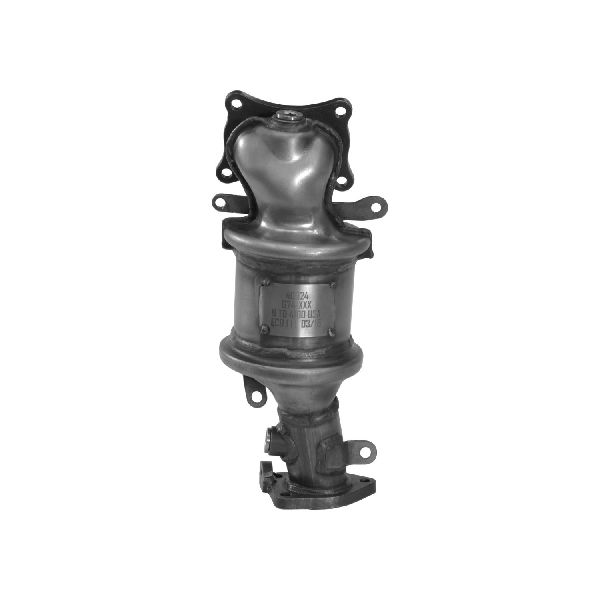
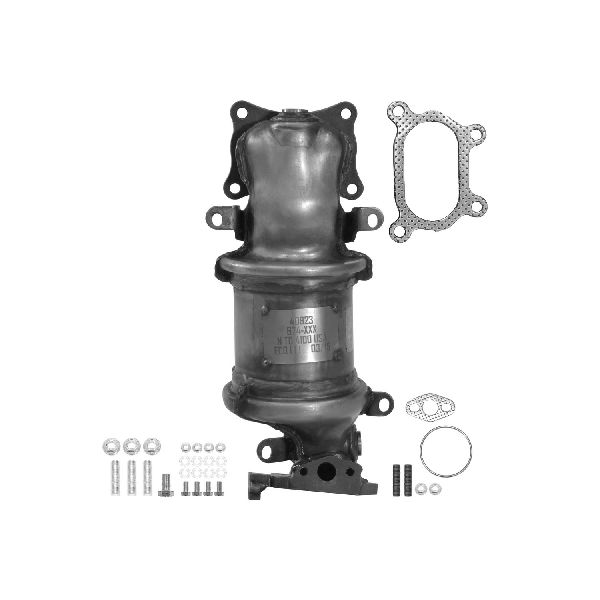
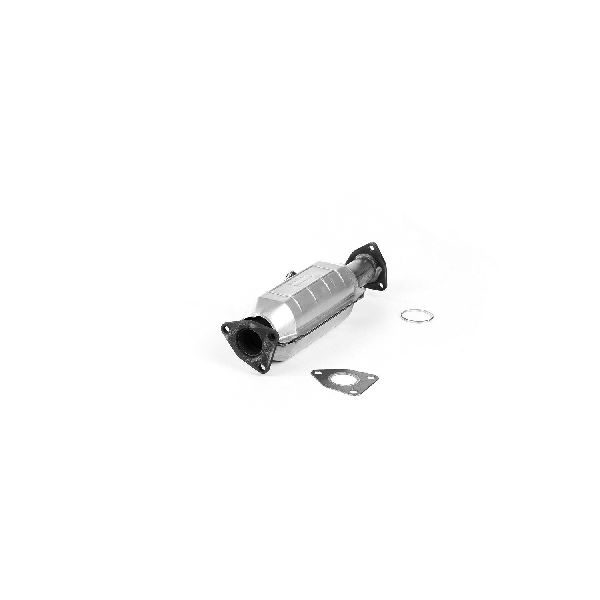
- 3rd Generation (2004-2008): These TLs have three catalytic converters. Two are called "warm-up" or "manifold" converters, which are bolted directly to the engine's exhaust manifolds. The third converter is located underneath the car, further down the exhaust stream. It is very common to replace the manifold converters.
- 4th Generation (2009-2014): These models also use two primary manifold converters (Bank 1 and Bank 2) that are integrated with the exhaust manifold. Some models may also have a third converter.
Choosing the Right Aftermarket Converter for Your TL

OEM converters from Acura are extremely expensive, often costing over $1,500 for a single part. Aftermarket parts offer a more affordable solution, but quality and performance vary. Because Acura's computer system is so precise, choosing a low-quality converter can result in the check engine light coming back on. Here’s a breakdown of aftermarket brand tiers to help you choose.
Tier 1: Premium & OEM-Grade Aftermarket
These brands are the most likely to perform like the original part and keep the check engine light off. They use higher loads of precious metals and better construction.
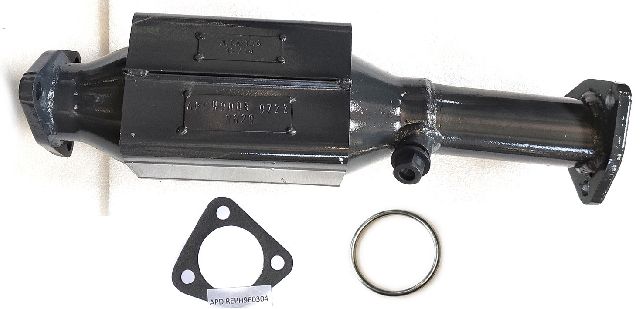
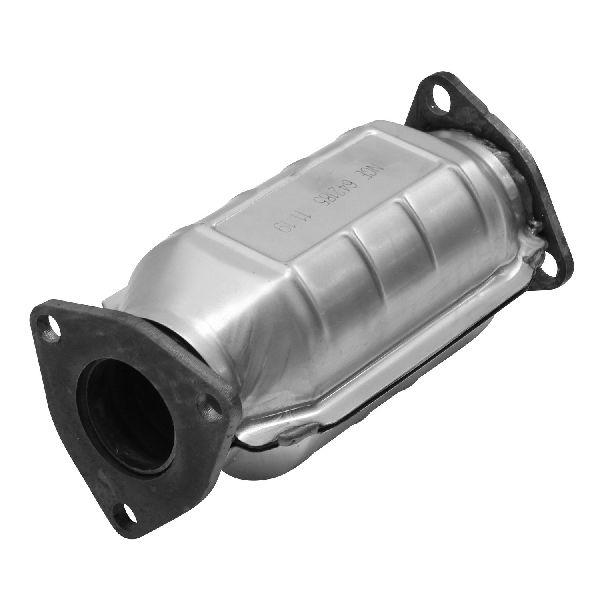
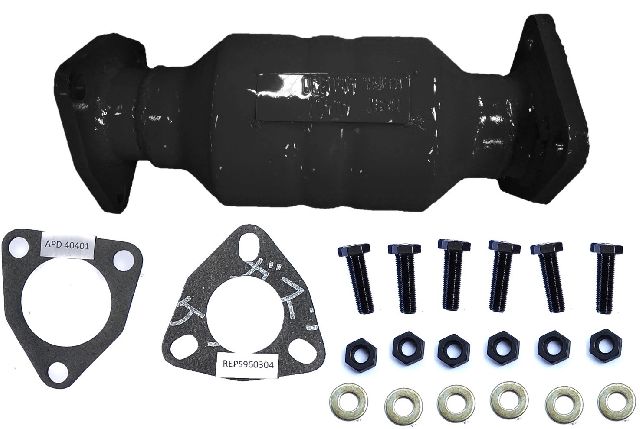
- MagnaFlow: Widely regarded as a top-tier aftermarket brand. They offer direct-fit, OEM-grade converters that are designed to meet factory specifications and are a popular choice for TL owners looking for reliability.
- Walker Exhaust: A well-respected name in the exhaust industry, Walker provides reliable direct-fit converters that are a solid choice for a balance of quality and price.
Tier 2: Standard Direct-Fit Replacements
These brands offer a good balance of value and reliability. They are a significant step up from budget options and are suitable for most daily drivers.
- AP Exhaust: Offers direct-fit converters engineered for OBD-II vehicles, providing a dependable and cost-effective solution.
- Eastern Catalytic: A major manufacturer that produces a wide range of converters, including direct-fit options for the TL. They are a common and generally reliable choice.
Tier 3: Economy Options
These brands are the most budget-friendly. While tempting, be aware there is a higher risk that they may not have enough catalytic material to satisfy your TL's sensitive ECU, potentially causing the P0420/P0430 codes to return.
- Davico Converters: An economy-focused brand that offers a low-cost alternative.
- Evan Fischer: Often found on online marketplaces, this brand provides a budget option for those needing a quick, low-cost fix.
Federal vs. CARB-Compliant
Always check if you need a Federal (EPA) or CARB-compliant converter. If your vehicle is registered in California, New York, or other states that have adopted CARB (California Air Resources Board) standards, you MUST install a CARB-compliant converter. Federal converters are not legal in these states.
Acura TL Catalytic Converter Replacement Cost
The cost to replace a catalytic converter on a 2002-2014 Acura TL can vary widely based on the parts you choose and labor rates in your area.
| Item | Estimated Cost |
|---|---|
| New Aftermarket Converter (Single) | $133 - $980 |
| New OEM Converter (Single) | $1,400 - $2,500+ |
| Shop Labor | $250 - $500 (for one converter) |
| Total Aftermarket Replacement (Est.) | $400 - $1,500 |
| Total OEM Replacement (Est.) | $1,700 - $3,000+ |
Frequently Asked Questions (FAQ)
Why did my original catalytic converter fail?
Catalytic converters are designed to last a long time, but they don't last forever. The most common reason for failure is contamination from other engine problems. Excessive oil burning, coolant leaks, or a rich fuel condition can coat the inside of the converter, preventing it from working. Physical damage from road debris can also destroy it.
What are the P0420 and P0430 codes?
P0420 indicates a problem with "Catalyst System Efficiency Below Threshold (Bank 1)". On the Acura TL's V6 engine, Bank 1 is the rear cylinder bank, located near the firewall. P0430 is the same code for Bank 2, which is the front cylinder bank, closer to the radiator. 🎬 See this walkthrough for replacing the front manifold converter These codes mean the oxygen sensor after the converter is detecting that the exhaust gases are not being cleaned properly.
Can I just replace the oxygen sensor to fix a P0420 code?
It's possible, but not likely if P0420 or P0430 is the only code present. Usually, a failing oxygen sensor will trigger its own specific trouble code. However, it's always wise to test the O2 sensors to make sure they are working correctly before spending money on a new converter.
Is it hard to replace a TL catalytic converter myself?
It is a moderately difficult job. The converters are typically bolt-on, but the bolts are often rusted and very difficult to remove without heat or cutting. Access to the rear converter (Bank 1) is especially tight as it's between the engine and the firewall. 🎬 Watch: How to replace the difficult rear manifold converter If you don't have experience with exhaust work and a good set of tools, this job is often best left to a professional.
Are there any recalls for the Acura TL catalytic converter?
There are no direct recalls for catalytic converter failure. However, a recall was issued for 2007-2008 TLs because a faulty power steering hose could leak fluid onto the hot converter, creating a fire hazard. This highlights the extreme heat the part operates under.
Helpful Videos
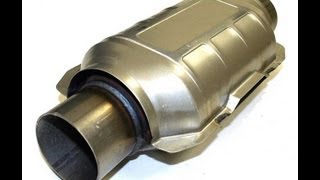
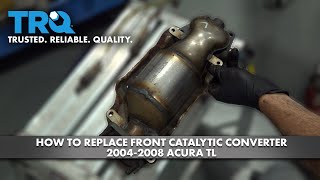
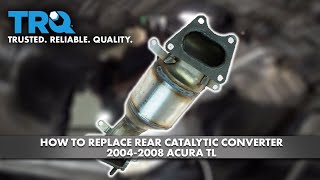
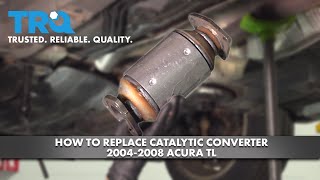
Technical Specifications
OEM Part Numbers: 18190-RCA-A00 18190-RCA-L00 18160-P8F-J00 18290-RK2-A00 18160-P8C-A00 18190-R70-A11 18290-R70-A01
The 2002-2014 Acura TL uses a V6 engine with multiple catalytic converters. The 2004-2008 models feature two manifold-integrated converters and one undercar converter. The 2009-2014 models primarily use two manifold-integrated converters. Replacements must be specified as Bank 1 (Rear) or Bank 2 (Front) for manifold units, and must also be compliant with either Federal (EPA) or CARB emissions standards depending on vehicle registration location.
We Have This Part in Stock

The information in this article is provided for general reference and educational purposes only. Vehicle specifications, procedures, and part compatibility can vary by production date, trim level, and region. Always consult your vehicle's factory service manual and verify part numbers before purchasing or performing repairs. Safety-critical components such as airbags, seat belts, and braking systems should be installed by a qualified professional.
- Acura TL: