

Guide to the 2002-2013 Nissan X-Trail Engine Crankshaft Position Sensor
Fix stalling, no-start, and poor performance issues by understanding this critical engine sensor.
- Sudden stalling and no-start conditions are the most common signs of failure.
- The sensor is located in a very difficult-to-reach spot on the back of the engine.
- Hitachi is the original equipment manufacturer; choosing this brand is a safe bet for aftermarket.
- The most common fault code associated with this part is P0335.
Understanding the Crankshaft Position Sensor in Your X-Trail

The crankshaft position sensor is a small but essential electronic part that your X-Trail's engine relies on to run. Most 2002-2013 X-Trail models, particularly those in North America (sold in Canada for model years 2005-2006), use the 2.5L QR25DE engine. This sensor tells the engine's computer how fast the crankshaft is spinning and its exact location. This is critical for engine timing, ensuring fuel is injected and spark plugs fire at the perfect moment for optimal power and efficiency. When it starts to fail, the signals become erratic or stop completely, leading to a range of noticeable engine problems.
Recall Information
While no specific crankshaft sensor recalls were found for the 2002-2013 X-Trail in North America, Nissan has issued recalls for this exact part on other models from the same era, like the Altima and Sentra which share the same QR25DE engine. The recall (NHTSA Campaign ID: 07V527000) addressed sensors that could overheat and cause the engine to stop running without warning. Given the shared engine and part numbers, X-Trail owners should be aware of this potential issue.
Common Symptoms of a Failing Sensor

A bad crankshaft position sensor can make your vehicle unreliable and unsafe to drive. If you notice any of the following symptoms, it's time to inspect the sensor.
- Engine Stalls Unexpectedly: The engine may shut off while driving, especially at low speeds or when coming to a stop. This can be intermittent and is a serious safety risk.
- Difficulty Starting or No-Start: Your X-Trail may take longer than usual to start, or it may crank but refuse to fire up at all. This happens because the computer doesn't know when to trigger spark and fuel.
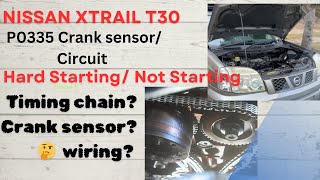
- Check Engine Light: A failing sensor will often trigger the Malfunction Indicator Lamp (MIL), also known as the check engine light. The most common trouble code is P0335 🎬 Watch this video for troubleshooting P0335 and hard starting issues. (Crankshaft Position Sensor 'A' Circuit Malfunction).
- Rough Idling and Misfires: The engine may run poorly, vibrate, or feel shaky at idle. You might also feel the engine stumble or misfire during acceleration.
- Poor Acceleration and Reduced Power: With incorrect timing information, the engine can't produce power efficiently, leading to sluggish acceleration.
Choosing the Right Aftermarket Part: OEM vs. Aftermarket

When replacing the crankshaft position sensor, you have a choice between Original Equipment Manufacturer (OEM) and aftermarket parts. For many Nissan vehicles of this era, the choice is critical.
- OEM (Original Equipment Manufacturer): The genuine Nissan part, often manufactured by Hitachi, is the benchmark for quality and reliability. The OEM part number for many QR25DE engines is 23731-6N21A, which supersedes several older numbers. While more expensive, it is the safest bet for avoiding compatibility issues.
- Premium Aftermarket (Hitachi, NGK/NTK): Hitachi is widely considered the original equipment supplier for Nissan. Buying a Hitachi-branded sensor is often the same as getting the genuine part without the dealership price tag. NGK (also known as NTK for sensors) is another highly respected brand known for quality electronics that often meet or exceed OEM standards.
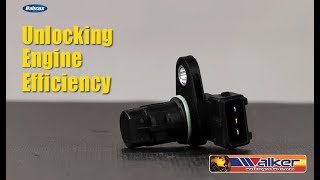
- Standard Aftermarket (Standard Ignition, Walker Products, Holstein): Brands like Standard Motor Products (SMP) and Walker Products offer a more budget-friendly 🎬 Learn more about the features of Walker Products replacement sensors. alternative. They are generally considered reliable for many applications and often come with good warranties. However, some professional mechanics and owners report a higher failure rate with non-OEM sensors on sensitive Nissan systems.
- Economy Brands (True Tech, Motorad, Vemo): These brands provide the most affordable options. They can be a good choice for a budget repair, but their long-term durability and performance may not match that of premium brands. An aftermarket sensor might last around 7 years, compared to 10+ for an original part.
Pro Tip: Replace in Pairs?
The crankshaft position sensor (POS) and camshaft position sensor (PHASE) on the QR25DE engine often look identical and sometimes fail around the same time. While not always necessary, many mechanics recommend replacing both sensors at the same time, especially if the vehicle has high mileage. This can save you from a similar repair in the near future. Always use a high-quality brand like Hitachi or NGK for these critical sensors.
Cost Comparison
| Part Type | Estimated Cost |
|---|---|
| New OEM (Genuine Nissan) | $70 - $110 |
| New Aftermarket | $39.54 - $77.98 |
| Shop Labor | $100 - $200 |
Frequently Asked Questions (FAQ)

Where is the crankshaft position sensor located on the 2002-2013 X-Trail?
On the QR25DE engine, the crankshaft position sensor is located on the back of the engine block, near the transmission bell housing, facing the firewall. It is notoriously difficult to access from the top and requires reaching down between the engine and the firewall. It is not accessible from underneath the vehicle.
Can I replace the X-Trail's crankshaft sensor myself?
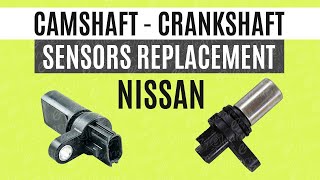
Yes, it is possible for a DIY mechanic with moderate skills. However, the location is very tight and hard to see. You will need a 10mm socket with a 3-4 inch extension and a small quarter-inch drive ratchet. Some owners find it easier to access by removing the air intake duct. 🎬 See a step-by-step guide on replacing both sensors on the QR25DE. Due to the difficult location, what should be a simple job can be frustrating.
What happens if I don't replace a bad crankshaft sensor?
Ignoring a failing crankshaft sensor can leave you stranded. The intermittent stalling is a major safety hazard, as the engine can shut off in traffic. Eventually, the sensor will likely fail completely, and the vehicle will not start at all.
Is a relearn procedure needed after replacing the sensor?
For most Nissan X-Trail models of this generation, a specific crankshaft position relearn procedure is not typically required after simply replacing the sensor. However, after disconnecting the battery or clearing codes, it's good practice to perform an "Idle Air Volume Learning" procedure to ensure the engine idles smoothly. This procedure can usually be found in the vehicle's factory service manual.
Helpful Videos

Technical Specifications
OEM Part Numbers: 23731-6N21A 23731-6N20A 23731-6N20B 23731-6N20C 23731-6N20D 23731-6N202 23731-6N205 23731-6N206 23731-8J000 23731-8J005 23731-8J006
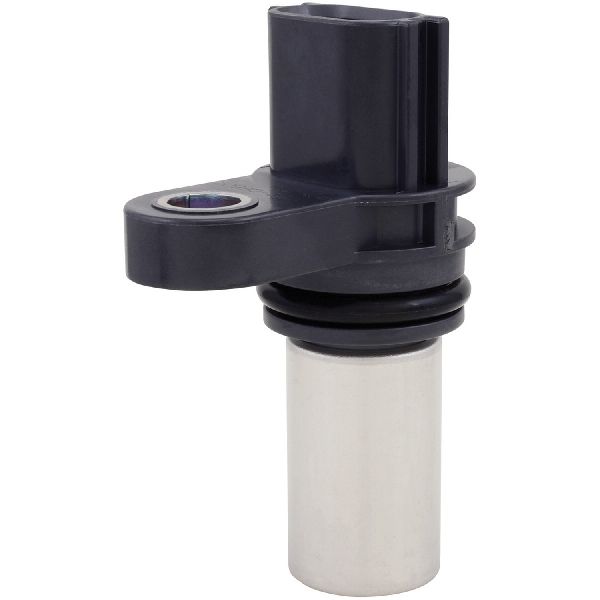
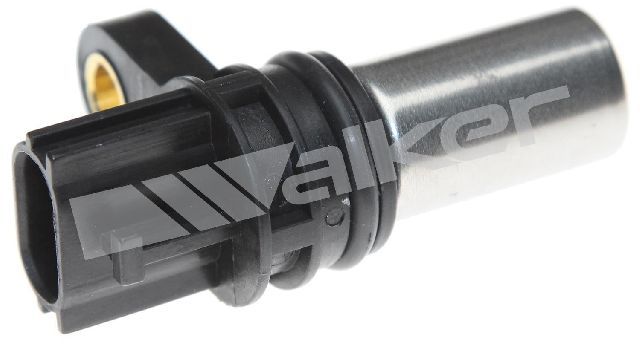
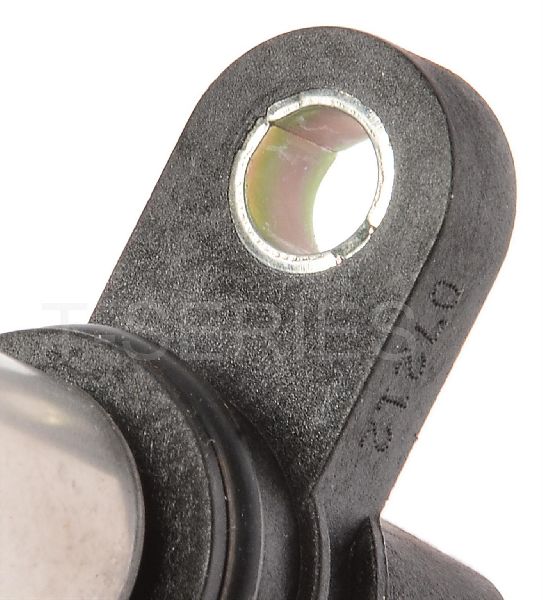
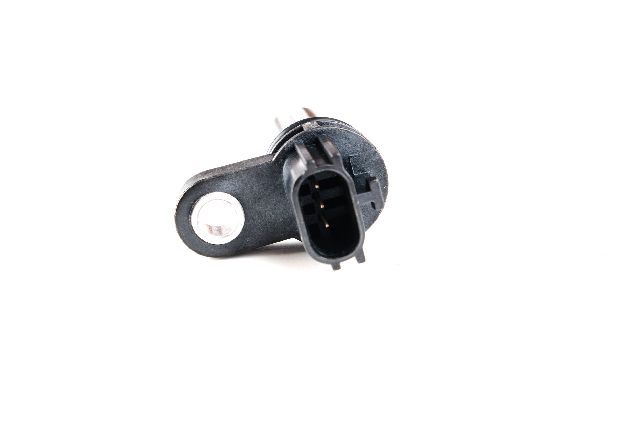
3-pin magnetic sensor that reads the position of the crankshaft via a reluctor wheel.
We Have This Part in Stock


The information in this article is provided for general reference and educational purposes only. Vehicle specifications, procedures, and part compatibility can vary by production date, trim level, and region. Always consult your vehicle's factory service manual and verify part numbers before purchasing or performing repairs. Safety-critical components such as airbags, seat belts, and braking systems should be installed by a qualified professional.
- Nissan X-Trail: