

A Guide to Replacing Fuel Injectors on Your 2002-2013 Jeep Liberty
Keep your Liberty's engine running smoothly by understanding when and how to replace your fuel injectors.
- Crucially, you must confirm if you have the 3.7L gas or 2.8L CRD diesel engine; the injectors are not interchangeable.
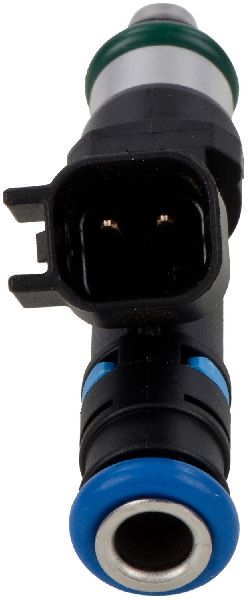
- For maximum reliability, choose premium aftermarket brands like Bosch (an OEM supplier) or Standard Ignition.
- Mechanics recommend replacing all injectors at once for balanced performance and to avoid future repeat repairs.
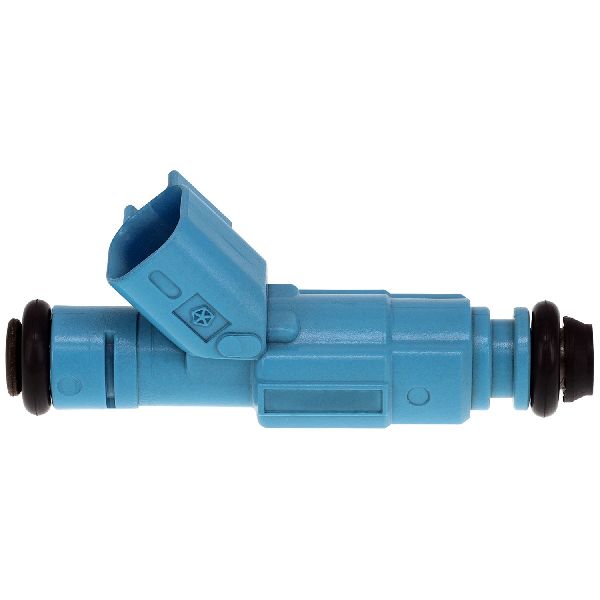
- Always replace the fuel injector O-rings and seals to prevent dangerous fuel leaks.
Understanding Fuel Injector Failure in Your Jeep Liberty

Fuel injectors are tough parts, but they don't last forever. Over many miles, they can get clogged with tiny particles from fuel or the seals can wear out. In the 2002-2013 Jeep Liberty, injector problems can show up as a rough idle, poor gas mileage, or a check engine light. It's a common issue 🎬 Watch: How to identify symptoms and test for a failed injector. as these vehicles get older. One of the most important things to know is whether you have the 3.7L gasoline V6 or the 2.8L CRD diesel engine (found only in 2005-2006 models), as the injectors are completely different.
Gas vs. Diesel: A Critical Difference
The fuel injectors for the 3.7L V6 gasoline engine and the 2.8L CRD diesel engine are not interchangeable. Diesel (CRD) injectors are a more complex, high-pressure component and are known to have more issues, often leading to hard starting, especially when the engine is hot. Always confirm your engine type before ordering parts.
🎬 See this guide for installing and priming 2.8L CRD diesel injectors.Choosing the Right Aftermarket Fuel Injector

When your original injectors fail, you have several aftermarket options. They generally fall into a few categories based on quality and price.
Tier 1: Premium Aftermarket (OEM-Quality)
These brands are known for making parts that meet or exceed the original factory specifications. They are your most reliable choice for a long-lasting repair.
- Bosch: Bosch is a trusted name and the original equipment manufacturer (OEM) for many Jeep parts, including the high-pressure injectors for the 2.8L CRD engine. Choosing Bosch is the closest you can get to factory quality, ensuring precise fuel flow and spray patterns.
- Standard Motor Products (SMP) / Standard Ignition: SMP is a highly respected aftermarket manufacturer known for quality electronics. Their injectors are rigorously tested and often feature corrosion-resistant materials for durability.
Tier 2: Mid-Grade & Jeep Specialist Brands
These brands offer a good balance between price and performance. They are a solid choice for owners looking for a reliable part without the premium price tag.
- Crown Automotive: As a brand specializing in Jeep parts, Crown offers direct-fit components. While some forum users have reported fitment issues with other Crown parts, their injectors are generally seen as a viable replacement to fix a problem.
Tier 3: Value-Oriented Brands
These brands focus on providing the most affordable options. While the low price is tempting, quality can be inconsistent.
- GBR Fuel Injection (GB Remanufacturing): This brand offers remanufactured injectors. While some users have success, others report high failure rates right out of the box or shortly after installation, leading to repeat repairs.
- Replacement / Skyward: These are often private-label brands. There is very little information available on their long-term reliability. Buying from these brands can be a gamble; while you might get a working part, the risk of premature failure is higher compared to premium brands.
Pro-Tip: Replace as a Set?

When one fuel injector fails, others from the same batch are often not far behind. Mechanics often recommend replacing all six (or four in the CRD) at the same time. This ensures all cylinders are getting an equal amount of fuel, which leads to a smoother running engine and prevents you from having to do the same repair job again in a few months.
Known Issues, Recalls, and Service Bulletins

While there are no widespread recalls specifically for fuel injectors on the 3.7L V6, Chrysler did issue a recall for some 2002-2007 Liberty models for a rear-mounted gas tank that could be a fire hazard in a collision. The 2.8L CRD engine is known for injector issues that can cause a no-start or hard-start condition. No specific TSBs for the 2002-2013 Liberty fuel injectors were found during the search, though related bulletins for fuel system components on other Jeep models exist.
| Part Type | Estimated Cost (Per Injector) | Notes |
|---|---|---|
| New OEM (Mopar) | $100 - $200+ | Highest cost, original factory part. |
| New Aftermarket (Premium) | $50 - $100 | Bosch, Standard Ignition. Recommended for reliability. |
| New Aftermarket (Value) | $35 - $60 | Brands like Replacement, Skyward. Quality can be inconsistent. |
| Remanufactured | $25 - $50 | GB Remanufacturing. Mixed reviews, potential for early failure. |
Frequently Asked Questions
Can I replace just one fuel injector?
Yes, you can replace just the one that has failed. However, it is often recommended to replace them as a full set. Since all injectors have the same amount of wear, the failure of one can indicate that others may fail soon. Replacing them all at once can save you future labor and ensure balanced engine performance.
Is it difficult to replace the fuel injectors myself?
For the 3.7L V6 engine, the job is manageable for a DIY mechanic with some experience. It involves relieving fuel pressure, removing the fuel rail, and swapping the injectors. The injectors can be 🎬 Watch this step-by-step walkthrough for installing injectors on 3.7L engines. stuck in the engine or the fuel rail, sometimes requiring gentle prying or even a slide hammer for removal. The 2.8L CRD diesel is more complex and may require special tools, so it might be better left to a professional.
Do I need to replace the O-rings and seals?
Absolutely. Every time you remove or replace a fuel injector, you must use new O-rings and seals. These small rubber parts are critical for preventing dangerous fuel leaks and vacuum leaks. Reputable aftermarket injectors will come with new seals included.
What are the signs of a leaking fuel injector?
A strong smell of raw gasoline around the engine, especially after it has been shut off, is a major sign of a leak. You might also have a hard time starting the engine. An external fuel leak is a serious fire hazard, and the vehicle should not be driven until it is repaired.
Helpful Videos
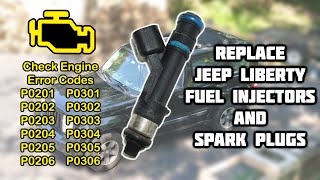
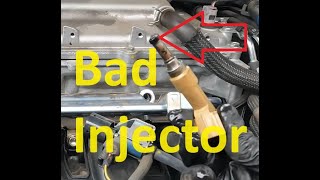
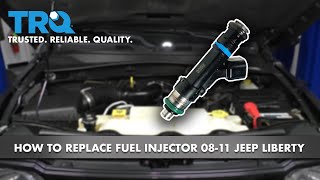
Technical Specifications
OEM Part Numbers: 53032701AA 53032145AA 04854181 05159970AA 0445110217
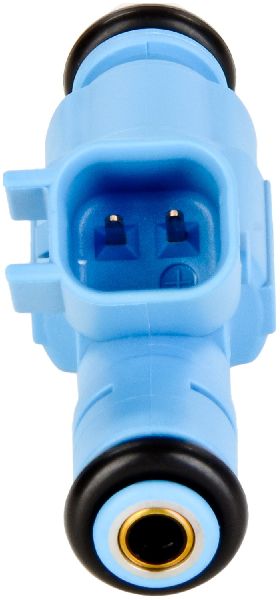
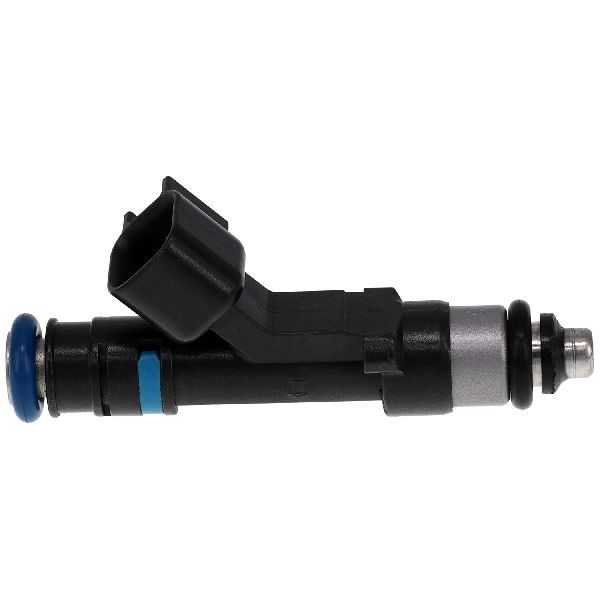
Fitment varies between the 3.7L V6 gasoline engine and the 2.8L CRD diesel engine. The 3.7L V6 uses a multi-port fuel injection (MFI) system. The 2.8L CRD uses a high-pressure common rail direct injection system. Part numbers also change between early (2002-2003) and later (2004-2012) 3.7L models. Always verify the part number for your specific year and engine.
We Have This Part in Stock


The information in this article is provided for general reference and educational purposes only. Vehicle specifications, procedures, and part compatibility can vary by production date, trim level, and region. Always consult your vehicle's factory service manual and verify part numbers before purchasing or performing repairs. Safety-critical components such as airbags, seat belts, and braking systems should be installed by a qualified professional.
- Jeep Liberty: