

A Guide to Spark Plug Replacement for the 2002-2012 Jeep Liberty
Everything a Liberty owner needs to know before buying and replacing their spark plugs.
- The 3.7L V6 engine was designed for copper spark plugs, which should be replaced every 30,000 miles.
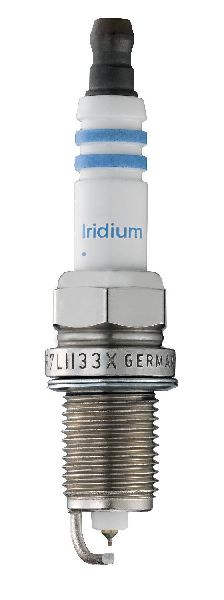
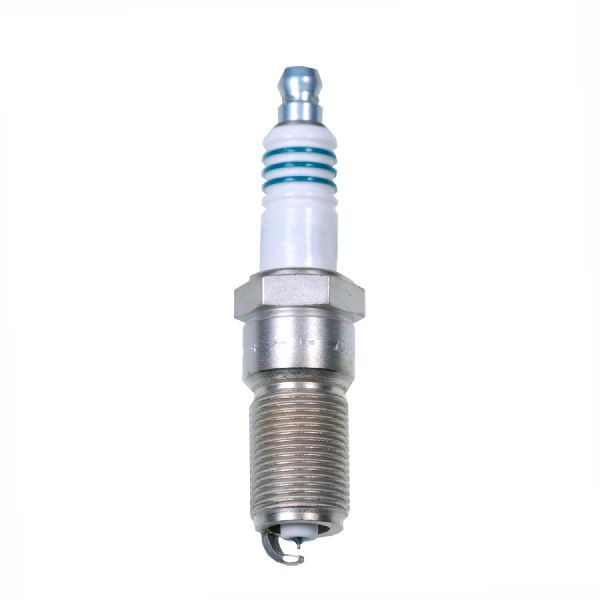
- Upgrading to iridium or platinum plugs from brands like NGK, Bosch, or Denso can extend the replacement interval to over 60,000 miles.
- Accessing the passenger-side spark plugs requires moving the coolant reservoir, making the job more involved.
- Always check the plug gap before installation and use a torque wrench set to 20 ft-lbs to avoid engine damage.
Signs of Failing Spark Plugs in Your Liberty

Worn-out spark plugs can cause a range of noticeable problems. Because the 3.7L V6 engine originally came with copper plugs that have a shorter lifespan, these symptoms are common for many Liberty owners.
- Rough Idling: One of the most common signs is a shaky or rough feeling when the engine is idling 🎬 Watch this video to see a Liberty running with a severe misfire. at a stoplight.
- Engine Misfires: You might feel a hesitation, stumble, or bucking sensation during acceleration. This is often accompanied by a flashing Check Engine Light, which signals a potentially damaging misfire.
- Reduced Fuel Economy: If you're filling up more often than you used to, worn plugs could be the cause. Inefficient combustion means wasted fuel.
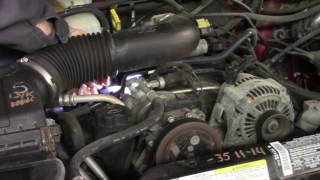
- Check Engine Light: A steady or flashing Check Engine Light is a sure sign something is wrong. Common codes for spark plug issues include P0300 (Random/Multiple Cylinder Misfire) 🎬 See how to diagnose a P0300 code and test your ignition coils. or codes specific to a cylinder, like P0301 through P0306.
- Difficulty Starting: While less common, very worn plugs can make it harder for the engine to start, especially in cold weather.
Choosing the Right Aftermarket Spark Plugs

When shopping for spark plugs for your 2002-2012 Jeep Liberty, you have several choices in material and brand. The original plugs for the 3.7L V6 were typically standard copper plugs from NGK or Champion, with a recommended change interval of just 30,000 miles. Many owners stick with these, while others upgrade for longer life.
Brand & Material Tiers
Tier 1: OEM-Equivalent (Good)
- Brands: NGK (V-Power), Champion (Copper Plus)
- Material: Copper
- Details: These are the plugs your Liberty's ignition system was designed for. They are inexpensive and provide excellent performance, but require replacement every 30,000 to 50,000 miles. Many purists and experienced mechanics recommend sticking with these basic copper plugs for the smoothest operation.
Tier 2: Long-Life Upgrades (Better)
- Brands: Bosch, Denso, NGK, Autolite
- Material: Platinum or Iridium
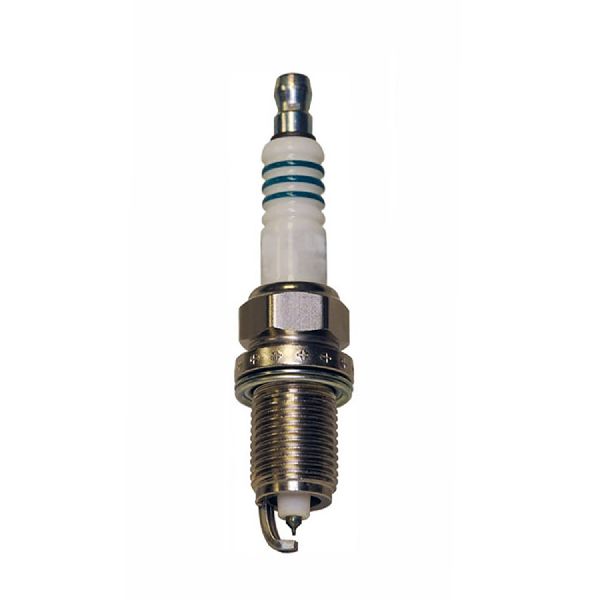
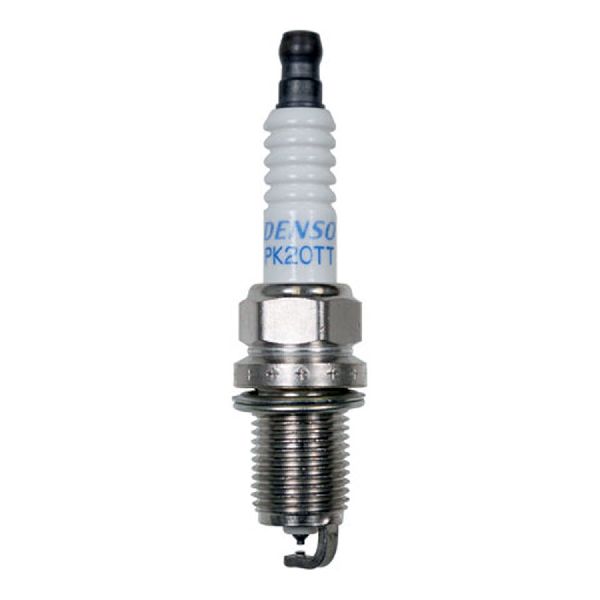
- Details: These plugs use a harder, more durable electrode material. This allows them to last much longer, often 60,000 to 100,000 miles or more. Brands like Bosch (Double Iridium), NGK (Iridium IX), and Denso offer direct-fit upgrades that can be a good 'set it and forget it' option for many drivers. While some forum users have reported misfires with fancier plugs, many others use them without issue.
OEM vs. Aftermarket Quality
For the Jeep Liberty, "OEM quality" often means a standard copper plug from NGK or Champion. High-quality aftermarket brands like NGK, Bosch, and Denso are not a step down; in fact, their iridium and platinum plugs are technologically more advanced. The debate is not about quality but about what the Liberty's specific ignition system prefers. Sticking with OEM-equivalent copper plugs is the safest, most proven choice, while a quality iridium plug from a top brand is a reasonable upgrade for owners seeking longer service intervals.
Installation Tips and Known Issues

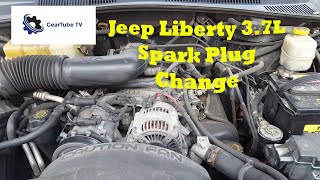
Replacing the spark plugs on a Jeep Liberty is a manageable DIY job. However, there are some 🎬 Watch a complete step-by-step walkthrough of the spark plug replacement process. vehicle-specific challenges.
- Passenger Side Access: On the 3.7L V6, the rear two spark plugs on the passenger side are notoriously difficult to reach. You will need to remove the air intake ductwork and unbolt the coolant reservoir, moving it aside to gain access.
- Seized Plugs: Plugs can become seized in the aluminum cylinder heads. If a plug is very tight during removal, stop. Spray a small amount of penetrating oil down into the well, let it soak, and then gently work the plug back and forth to free it without damaging the threads.
Pro Tips for a Smooth Job
- Check The Gap: Always check the gap of your new spark plugs with a feeler gauge before installation, even if they are advertised as "pre-gapped." The correct gap for your specific year and engine can be found on the emissions label under the hood. It is typically between 0.040" and 0.044".
- Use Anti-Seize & Dielectric Grease: Apply a very small amount of anti-seize compound to the spark plug threads to make future removal easier. Put a dab of dielectric grease inside the ignition coil boot to prevent it from sticking to the plug and to ensure a good electrical seal.
- Torque Correctly: Over-tightening can damage the plug and your engine's cylinder head, while under-tightening can cause overheating and misfires. Use a torque wrench set to 20 ft-lbs.
Frequently Asked Questions (FAQ)

How often should I change the spark plugs on my Jeep Liberty?
If you are using standard copper plugs like the OEM ones, the recommended interval is every 30,000 miles. If you upgrade to iridium or platinum plugs, you can extend that interval to 60,000-100,000 miles.
What is the correct spark plug gap for a Jeep Liberty?
The gap can vary slightly by year and engine, but it is generally 0.040" for the 3.7L V6. Always confirm by checking the vehicle emissions control information (VECI) sticker under your hood.
Are expensive iridium spark plugs worth it for my Liberty?
It depends on your priority. If you want the longest possible service life and don't mind the higher initial cost, iridium plugs from a reputable brand like NGK or Bosch are a good choice. If you prefer to stick with what the engine was designed for and don't mind more frequent changes, inexpensive OEM-style copper plugs are a proven and reliable option.
Do I need to replace my ignition coils at the same time?
Not necessarily. Unlike spark plugs, ignition coils are not a routine maintenance item. You should only replace a coil if it has failed, which would typically cause a persistent misfire code for a specific cylinder (e.g., P0302 for cylinder 2). However, if your Liberty has high mileage and you're already replacing the plugs, some owners choose to replace the coils as a preventative measure.
Are there any recalls for Jeep Liberty spark plugs?
No, there are no specific recalls or technical service bulletins (TSBs) from NHTSA related to spark plug failure on the 2002-2012 Jeep Liberty. The common misfire issues are typically related to normal wear and tear of the ignition components.
Helpful Videos

Technical Specifications
OEM Part Numbers: SPZFR6F11G
Engine: 3.7L V6 | OEM Plug Type: Copper | Common Aftermarket Upgrade: Iridium/Platinum | Spark Plug Socket Size: 5/8" | Spark Plug Torque: 20 ft-lbs | Ignition Coil Nut Torque: 6 ft-lbs | Spark Plug Gap: ~0.040" (Verify on under-hood label)
We Have This Part in Stock

The information in this article is provided for general reference and educational purposes only. Vehicle specifications, procedures, and part compatibility can vary by production date, trim level, and region. Always consult your vehicle's factory service manual and verify part numbers before purchasing or performing repairs. Safety-critical components such as airbags, seat belts, and braking systems should be installed by a qualified professional.
- Jeep Liberty: