

A Guide to the Alternator for the 2002-2011 Toyota 4Runner
Keep your 4th Gen 4Runner's electrical system healthy by understanding when and how to replace your alternator.
- Denso is the original manufacturer for Toyota; choosing a Denso-branded part is the safest bet for quality and longevity.
- Most 4th Gen 4Runners use a 130-amp alternator; confirm this before buying.
- Symptoms like dimming lights, a battery warning on the dash, or a whining noise from the engine are clear indicators of a failing alternator.
- Replacement is a DIY-friendly job for many owners, potentially saving hundreds in labor costs.
Is Your 4Runner's Alternator Failing?

The alternator on the 4th generation Toyota 4Runner is known to be very reliable, with many owners reporting well over 150,000 miles on the original unit. However, like any part, it will eventually wear out. When it starts to fail, you'll notice clear warning signs. Ignoring them can leave you stranded with a dead battery.
Key Symptoms of a Bad Alternator:
- Dimming Lights: Headlights and dashboard lights may flicker or appear dimmer than usual, especially at idle.
- Battery Warning Light: A battery-shaped light on your dash indicates a problem in the charging system, often pointing to the alternator.
- Slow or Failing Electronics: Power windows, seats, or the radio may operate slowly, glitch, or stop working entirely.
- Whining or Grinding Noises: A whining sound from under the hood can signal failing bearings inside the alternator.
- Dead Battery: The most obvious sign. The engine may start with a jump, but will die shortly after as the alternator isn't recharging the battery.
Don't Mistake a Bad Battery for a Bad Alternator
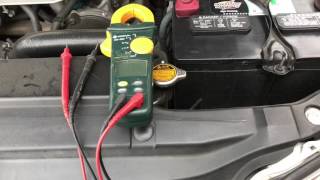
A dead battery doesn't always mean the alternator is the culprit. A battery has a limited lifespan. If your 4Runner starts with a jump but dies immediately after the cables are removed, the alternator is the likely problem. If it continues to run but struggles to start again later, your battery may be the issue. A simple voltage test can help diagnose the problem.
Choosing the Right Aftermarket Alternator

When shopping for a replacement, you'll find new and remanufactured options from several brands. For a Toyota, the choice often comes down to balancing cost with original equipment quality.
Brand Quality Tiers
Not all aftermarket brands are created equal. Here’s how they generally stack up based on owner feedback and industry reputation:
- Tier 1 (OEM Quality): Denso is the Original Equipment Manufacturer (OEM) for Toyota, meaning they made the part that was installed in your 4Runner at the factory. Choosing a new or remanufactured Denso alternator is the closest you can get to the original part's quality and longevity. Bosch is another top-tier OEM supplier with a strong reputation for quality and reliability, making it an excellent alternative.
- Tier 2 (Quality Aftermarket): Brands like Remy and ACDelco (specifically their Gold/Professional line) offer a good balance of quality and price. They are well-known in the aftermarket and often remanufacture parts to meet or exceed original specifications.
- Tier 3 (Budget-Friendly): Companies like BBB Industries and MPA (Motorcar Parts of America) often provide more affordable options. These are typically remanufactured units that offer good value but may not have the same long-term durability as premium brands.
New vs. Remanufactured
A "new" aftermarket alternator is made with all-new components. A "remanufactured" one is a used OEM core (like an old Denso) that has been disassembled, cleaned, and had its wearable parts (like bearings and brushes) replaced. A quality remanufactured unit from a top brand like Denso or Bosch can be just as reliable as a new one and is often a great value.
How Much Does a 2002-2011 4Runner Alternator Replacement Cost?

The cost depends on the part you choose and whether you do the work yourself. The job is manageable for a DIYer with basic tools and can take between 1-2 hours.
| Item | Estimated Cost |
|---|---|
| New Aftermarket Part | $46.29 - $339.84 |
| New OEM Part (Toyota/Denso) | $210 - $310 |
| Shop Labor | $162 - $238 |
| Total Professional Replacement | $490 - $843 |
Frequently Asked Questions

Do I need a different alternator for the V6 vs. V8 engine?
Yes, the part numbers can differ between the 4.0L V6 and 4.7L V8 engines, though they often share the same 130-amp rating for standard models. Always confirm the exact fitment for your specific year and engine before purchasing.
What amperage do I need? 100A or 130A?
Most 2002-2011 4Runners came with a 130-amp alternator. Unless you have a very base model with minimal electronic features, the 130-amp unit is the correct choice. If you run a lot of aftermarket accessories like a winch, high-powered stereo, or extra lights, you might even consider a high-output alternator (180A+), but this requires upgrading your main wiring (the "Big 3 Upgrade").
Were there any recalls for the 4Runner alternator?
No recalls were found for the alternator on the 2002-2011 Toyota 4Runner after checking National Highway Traffic Safety Administration (NHTSA) records and other search results.
What are common mistakes when ordering an alternator?
The most common mistake is ordering for the wrong engine (V6 vs. V8). Another is not checking the amperage. Finally, be aware of core charges. Many remanufactured alternators have a core charge ($60-$75) that is refunded when you return your old alternator.
How difficult is it to replace the alternator myself?
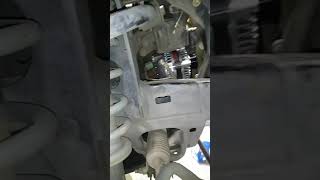
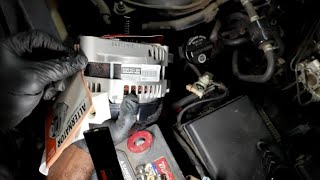
For the 4.0L V6, the process is straightforward. It involves disconnecting the battery, removing the serpentine belt, removing an idler pulley for clearance, and then unbolting the alternator. Access is reasonably good from the top of the engine bay. The V8 may have slightly different steps. It is considered a feasible DIY job for someone with moderate experience.
Helpful Videos


Technical Specifications
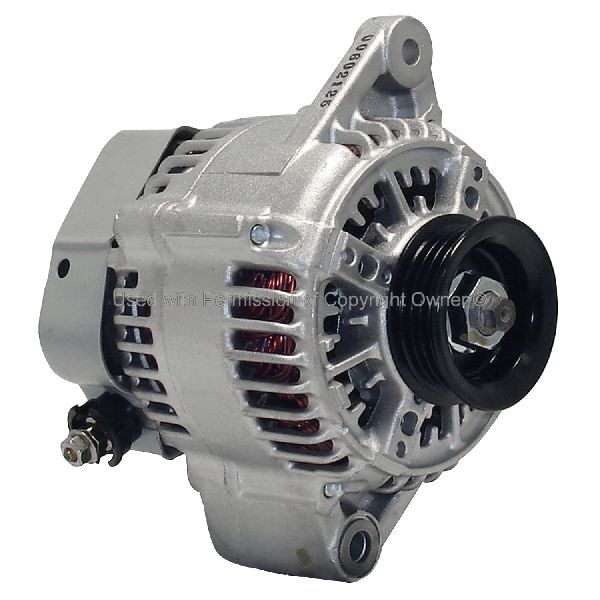
OEM Part Numbers: 27060-50320-84 27060-50320 27060-50360 27060-50360-84 27060-31021
Standard output is 130 amps for most V6 and V8 models. The alternator uses an internal fan and regulator with a serpentine-style pulley. Voltage output should be between 13.7V and 14.7V when running.
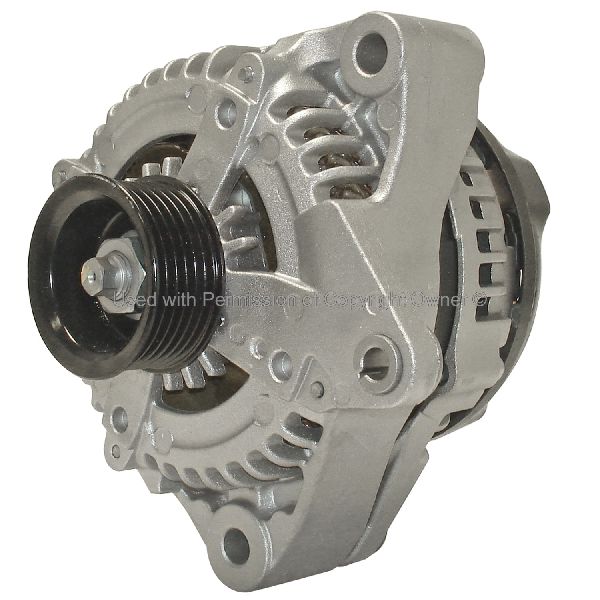
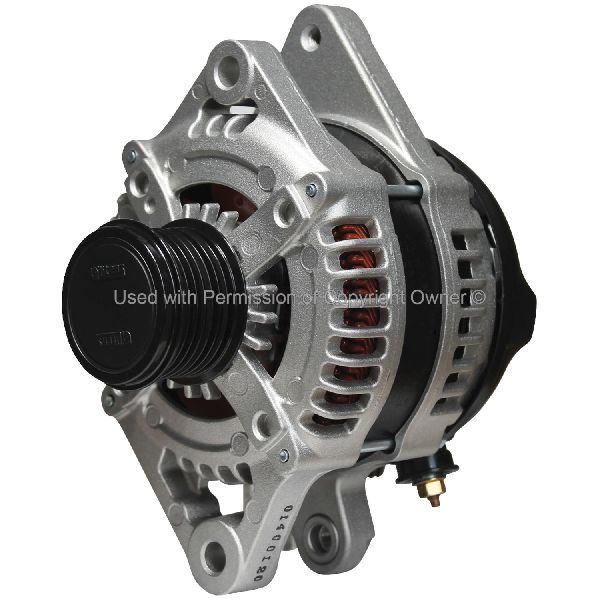
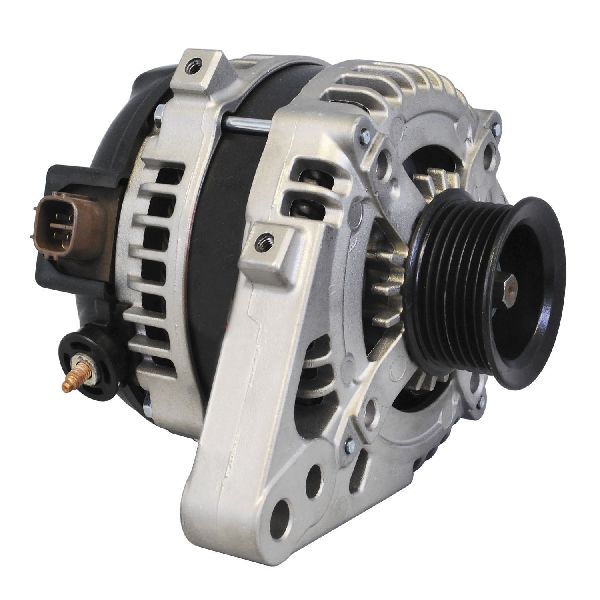
We Have This Part in Stock


The information in this article is provided for general reference and educational purposes only. Vehicle specifications, procedures, and part compatibility can vary by production date, trim level, and region. Always consult your vehicle's factory service manual and verify part numbers before purchasing or performing repairs. Safety-critical components such as airbags, seat belts, and braking systems should be installed by a qualified professional.
- Toyota 4Runner: