

Honda Odyssey Oxygen Sensor Guide: 2002-2011
Understanding how to choose the right new aftermarket oxygen sensor for your Odyssey's V6 engine.
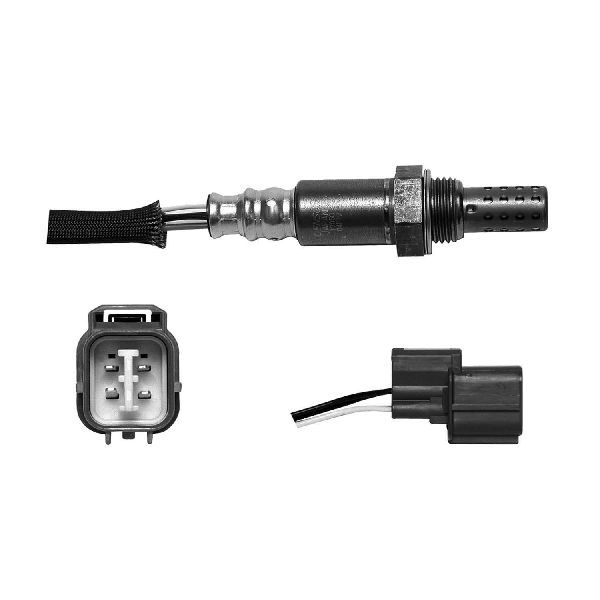
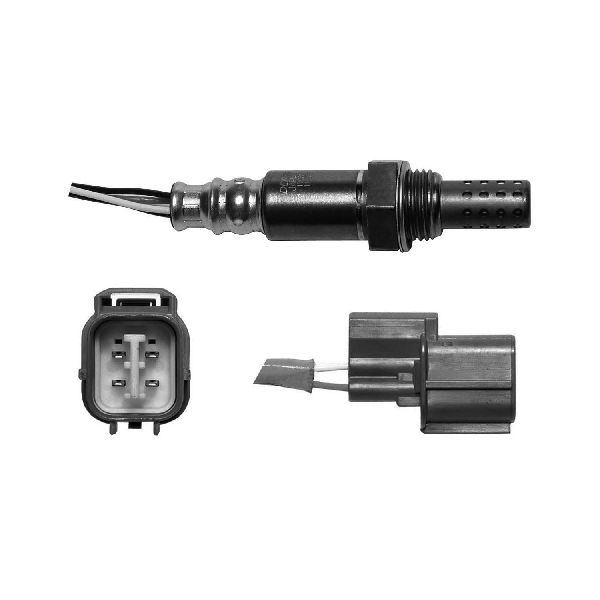
- Your 2002-2011 Odyssey has four oxygen sensors; identify the correct one before buying.
- For best results, choose a direct-fit sensor from an OEM-equivalent brand like Denso or NGK/NTK.
- Ignoring a bad O2 sensor can lead to costly damage to your catalytic converter.
- Do not use universal sensors that require wire splicing, as they are a common source of problems.
Is a Failing Oxygen Sensor a Serious Problem?
A failing oxygen sensor won't leave you stranded, but it shouldn't be ignored. Initially, you'll notice a drop in fuel economy and your check engine light will come on. If you continue driving with a bad sensor for too long, you risk damaging your expensive catalytic converters. Replacing an oxygen sensor is much cheaper than replacing a catalytic converter, so it's best to address the issue promptly.
Symptoms of a Bad Oxygen Sensor in a Honda Odyssey


When an oxygen sensor starts to fail, your Odyssey will give you a few clear signs. Being aware of these can help you diagnose the problem before it causes more damage.
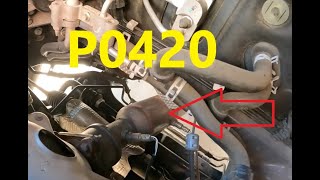
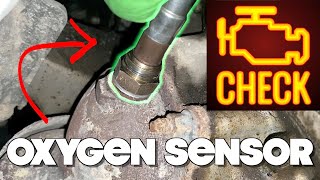
- Check Engine Light: This is the most common sign. A scanner will usually show codes like P0134, P0135, 🎬 Watch how to fix a P0134 oxygen sensor code. P0141, P0155, or P0420.
- Poor Fuel Economy: A bad sensor can cause the engine to use more fuel than necessary, leading to a noticeable drop in MPG.
- Rough Idle and Poor Performance: The engine may idle unevenly, hesitate, or feel sluggish during acceleration.
- Failed Emissions Test: A faulty sensor will prevent your vehicle from passing a required emissions inspection.
- Rotten Egg Smell: In some cases, a very rich fuel mixture caused by a bad sensor can lead to a sulfur-like smell from the exhaust.
Upstream vs. Downstream Sensors
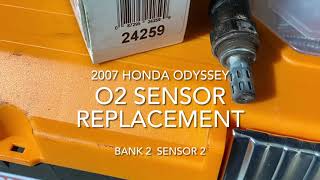
Your Odyssey has both upstream (before the catalytic converter) and downstream (after the catalytic converter) sensors. They are not interchangeable. Upstream sensors are also called Air/Fuel Ratio sensors and are more critical for engine performance. Downstream sensors monitor converter efficiency. Always verify the correct location (e.g., Bank 1 Sensor 1, Bank 2 Sensor 2) before purchasing.
Choosing the Right Aftermarket Oxygen Sensor Brand

For Honda vehicles, sticking close to the original equipment (OE) manufacturer is often the best path to avoid compatibility issues. Aftermarket brands offer a range of quality and price points.
Pro Tip: Always choose a "direct-fit" sensor with the correct plug. Avoid "universal" sensors that require you to cut and splice wires, as this is a common point of failure.
Tier 1: OEM-Equivalent Brands
Denso & NGK (NTK): These two Japanese brands are the original equipment suppliers for many Honda parts, including oxygen sensors. Choosing a Denso or NTK (the sensor brand for NGK) sensor is the closest you can get to buying the part from a Honda dealership, but at a better price. They are widely recommended by Honda mechanics and owners for their reliability and perfect fit.
Tier 2: Reputable Aftermarket Brands
Bosch & Delphi: Bosch is a massive German parts manufacturer that invented the automotive oxygen sensor. While they are a top-tier supplier for many European cars, some Honda owners report occasional compatibility issues. Delphi is another major OE supplier, particularly for American brands, and offers quality direct-fit sensors. Both are generally considered reliable choices if an OEM-equivalent brand is not available.
Tier 3: Budget-Friendly Brands
Walker Products, DriveWire, Spectra: These brands offer a more affordable option. Walker Products is a well-known exhaust component company, and their sensors can be a good value, though some user reviews report mixed longevity. DriveWire and Spectra are typically entry-level brands. While they can get the job done and clear a check engine light, they may not offer the same lifespan or precise performance as the higher-tier brands.
Cost of Replacing a Honda Odyssey Oxygen Sensor
| Part/Service | Estimated Cost |
|---|---|
| New Aftermarket Oxygen Sensor | $25 - $335 |
| New OEM Honda Oxygen Sensor | $150 - $400+ |
| Shop Labor | $100 - $200 per sensor |
Frequently Asked Questions

How many oxygen sensors does my 2002-2011 Odyssey have?
Your Honda Odyssey with the 3.5L V6 engine has four oxygen sensors. There are two upstream (Bank 1 Sensor 1 and Bank 2 Sensor 1) located in the exhaust manifolds before the catalytic converters, and two downstream (Bank 1 Sensor 2 and Bank 2 Sensor 2) located after the converters.
What are Bank 1 and Bank 2?
On your Odyssey's V6 engine, Bank 1 refers to the cylinder bank closer to the firewall (the rear of the engine bay). Bank 2 is the cylinder bank closer to the radiator (the front of the engine bay).
Can I replace just one oxygen sensor?
Yes. You only need to replace the specific sensor that has failed. A diagnostic scan tool can tell you which sensor is causing the fault code (e.g., "P0134 - Bank 1 Sensor 1").
Is there a recall for the oxygen sensor on the 2002-2011 Odyssey?
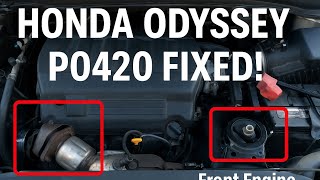
No major safety recalls were found specifically for oxygen sensor failure on the 2002-2011 Honda Odyssey. However, a Technical Service Bulletin (TSB 14-002) was issued for some 2010 Odyssey models where a faulty Air/Fuel sensor could damage the catalytic converter, triggering a P0420 or P0430 code.
🎬 See how to fix P0420 codes and catalytic converter issues.Helpful Videos
Technical Specifications
OEM Part Numbers: 36531-RN0-A01 36532-RGL-A11 36532-RJA-004 36532-RKB-004 36532-RCJ-A01
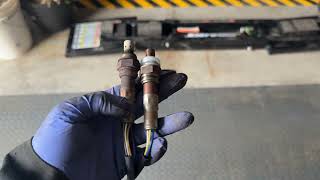
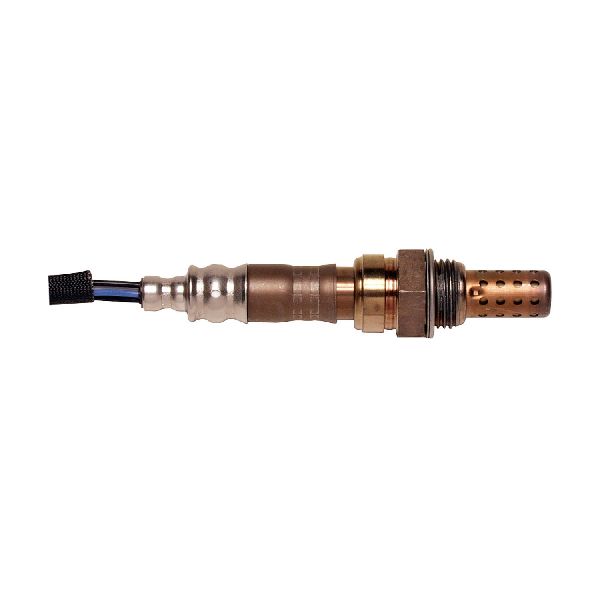
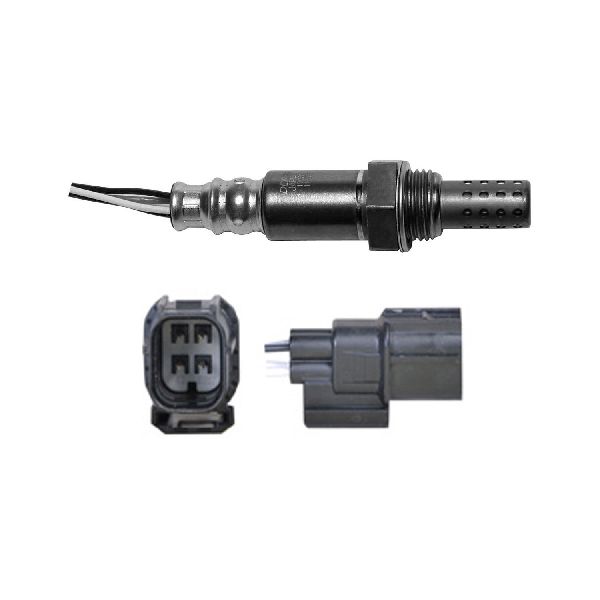
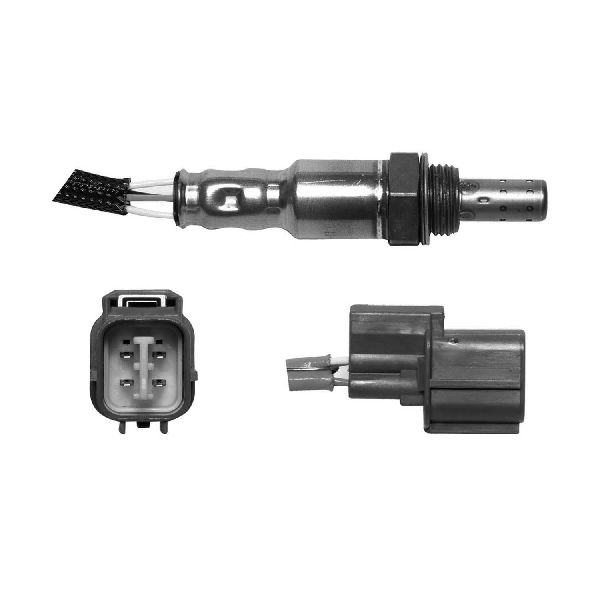
The 3.5L J-series V6 engine in the 2002-2011 Honda Odyssey uses four heated, 4-wire oxygen sensors. The upstream sensors are wideband Air/Fuel ratio types, while the downstream sensors are narrow-band types.
We Have This Part in Stock


The information in this article is provided for general reference and educational purposes only. Vehicle specifications, procedures, and part compatibility can vary by production date, trim level, and region. Always consult your vehicle's factory service manual and verify part numbers before purchasing or performing repairs. Safety-critical components such as airbags, seat belts, and braking systems should be installed by a qualified professional.
- Honda Odyssey: