

Western Star 4900SA Turbocharger Boost Sensor Guide (2002-2010)
Diagnose and fix power loss and black smoke issues related to a bad turbo boost sensor on your truck.
- First, identify your engine (Detroit, Cummins, or CAT) to ensure you buy the correct sensor.
- Symptoms include major power loss, black smoke, and a low or erratic boost gauge reading.
- Failure is often caused by soot clogging the sensor tip or a bad O-ring seal.
- Choose a quality aftermarket brand like Standard Ignition over the cheapest option for better reliability.
Is Your 4900SA Down on Power? It Could Be the Boost Sensor
If your Western Star 4900SA feels sluggish, blows black smoke when you accelerate, or the boost gauge isn't reading correctly, a faulty turbocharger boost sensor is a likely culprit. This small sensor plays a huge role in how your engine performs. When it fails, the ECM gets bad information, leading to poor fuel management and a significant loss of power. This guide will help you understand the symptoms, choose the right aftermarket replacement, and get your truck running strong again.
Engine Type Matters
The first step is to identify which engine is in your truck. The 2002-2010 Western Star 4900SA was available with several engines, most commonly the Detroit Diesel Series 60, Cummins ISX, or Caterpillar C15. The location of the boost sensor and the specific part number you need will change depending on your engine. The sensor is typically located directly on the intake manifold, held in by one or two bolts.
Symptoms of a Failing Turbo Boost Sensor
A bad boost sensor can cause problems that seem much larger than they are. Before suspecting a bad turbo or charge air cooler, check for these common sensor-related symptoms:
🎬 Watch a video breakdown of bad boost sensor symptoms- Serious Power Loss: The truck feels like a dog, especially under load. It's slow to accelerate and struggles on hills.
- Black Exhaust Smoke: Incorrect sensor readings can cause the ECM to inject too much fuel, resulting in black smoke during acceleration.
- Low or Erratic Boost Gauge Reading: The gauge on your dash may show much lower boost than normal, or the needle might jump around.
- Check Engine Light: Fault codes related to the MAP sensor or turbocharger performance may be triggered, such as P0236, P0237, or P0238. However, the sensor can fail without triggering a code.
- Poor Fuel Economy: When the engine can't run efficiently, it burns more fuel.
- Engine Stumble or "Cough": Some drivers with Cummins engines report a brief interruption in power that sounds like a cough or sneeze.
What Causes Failure?
The most common reason for boost sensor failure is clogging. Over time, a mixture of soot and oil vapor from the engine's crankcase ventilation system can build up on the sensor's tip, insulating it from the actual pressure in the manifold. Other causes include a dried-out or cracked O-ring creating a leak, or simple internal electrical failure.
Choosing the Right Aftermarket Boost Sensor
When it comes to engine electronics, quality matters. While you can save money with an aftermarket part, choosing the cheapest option is often a mistake. New sensors can be bad right out of the box, so picking a reputable brand is important.
Here’s a look at the available brands:
- Standard Ignition (SMP): Generally considered a high-quality aftermarket brand. They have a long history of making reliable electronic components and are often a trusted choice by professional mechanics.
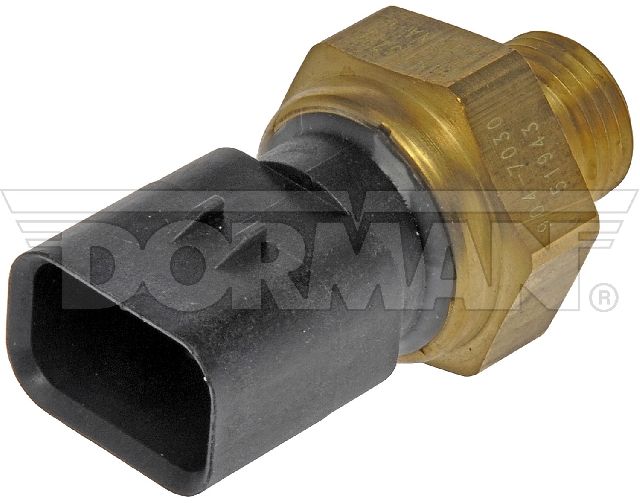
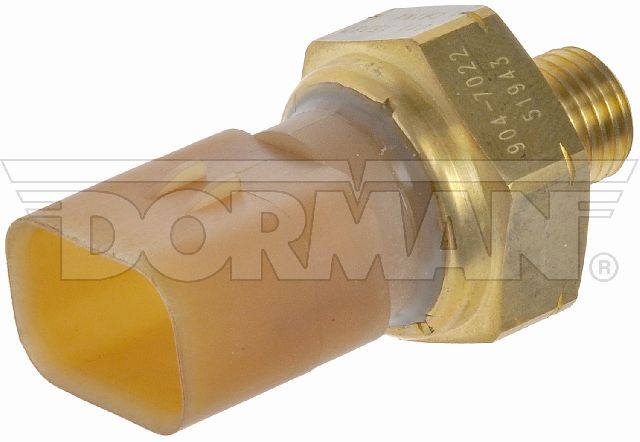
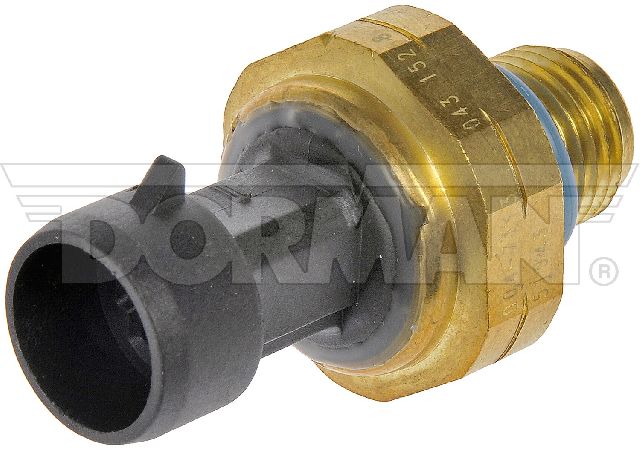
- Dorman: A well-known brand that produces direct-fit replacement parts. Their quality can be inconsistent; some parts work perfectly for years, while others may have fitment or longevity issues. They often represent a good balance of price and availability.
- Global Parts / Replacement: These are often entry-level or private-label brands. While they are the most budget-friendly, they carry the highest risk of being dead-on-arrival or failing prematurely. For a critical sensor like this, it's usually worth spending a little more for a better brand.
Cost of Replacing a Turbo Boost Sensor
Replacing the boost sensor is an affordable repair. The part itself is not expensive, and the labor is minimal because the sensor is usually easy to access.
| Part Type | Estimated Cost |
|---|---|
| New Aftermarket Sensor | $25 - $250 |
| Shop Labor | $50 - $125 |
| Total Estimated Cost | $75 - $375 |
Cost estimates are for reference only and may vary based on your location, engine type, and chosen parts.
Frequently Asked Questions
Can I just clean my old boost sensor?
Many owners have had success cleaning a soot-clogged sensor with electrical contact cleaner and carefully removing the buildup. However, experts warn that some sensors use a delicate capacitive element that can be damaged by liquid cleaners. If cleaning doesn't solve the problem, or if the issue is a failed O-ring or internal fault, replacement is the only option.
Where is the boost sensor on my engine?
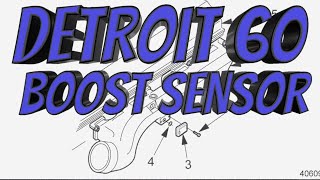
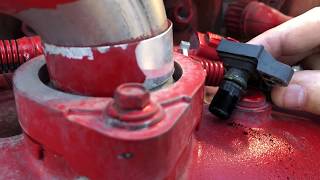
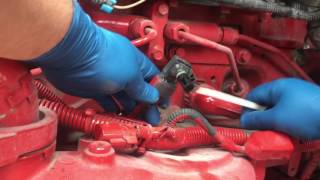
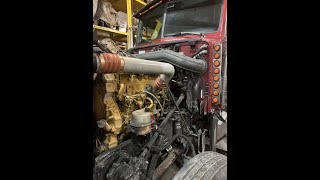
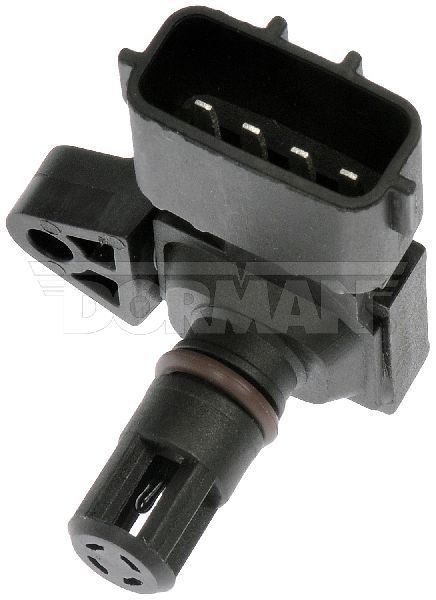
It's always on the intake side of the engine. On a Detroit Series 60, it's on the intake manifold. 🎬 Watch this quick 5-minute fix for Detroit 60 boost sensors For a Cummins ISX, look on the driver's side on top of the intake manifold. 🎬 See how to quickly clean or replace a Cummins ISX sensor On a CAT C15, it is also located on the intake manifold. It is a small, black plastic sensor held in place by one or two bolts with an electrical plug attached.
Are there any recalls for this part?
No. Searches of the National Highway Traffic Safety Administration (NHTSA) database show no recalls or technical service bulletins (TSBs) specifically for the turbocharger boost sensor on the 2002-2010 Western Star 4900SA.
What happens if I don't replace a bad boost sensor?
You will continue to experience poor engine performance, low power, and terrible fuel mileage. In the long run, running a rich fuel mixture can lead to other problems, like premature wear on exhaust components. It will not leave you stranded, but it will make the truck very difficult to operate effectively.
Helpful Videos
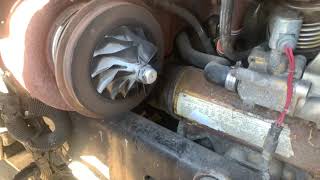
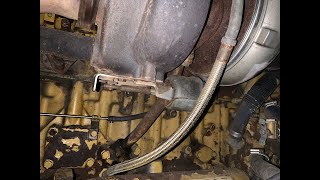
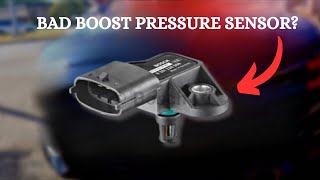
Technical Specifications
OEM Part Numbers: 23522322
The sensor measures absolute pressure in the intake manifold and sends a 0-5 volt signal to the ECM. It is typically secured with one or two bolts and sealed with an O-ring.
We Have This Part in Stock


The information in this article is provided for general reference and educational purposes only. Vehicle specifications, procedures, and part compatibility can vary by production date, trim level, and region. Always consult your vehicle's factory service manual and verify part numbers before purchasing or performing repairs. Safety-critical components such as airbags, seat belts, and braking systems should be installed by a qualified professional.
- Western Star 4900SA: