

Your 2002-2010 Western Star 4900FA Turbocharger Boost Sensor Guide
Losing power or seeing black smoke? Your Turbocharger Boost Sensor might be the problem.
- A bad boost sensor causes low power, black smoke, and poor fuel economy.
- Before replacing, check for a simple clogged port or a bad O-ring, which are common and cheap fixes.
- Replacement is simple and can often be done in under an hour with basic tools.
- Aftermarket brands like Standard Ignition offer good quality for less than OEM, while economy brands are a budget option.
Is Your Turbo Boost Sensor Failing?
A bad boost sensor can make your truck feel sluggish and waste fuel. Because it sends bad information to the engine's computer, the engine can't perform its best. You might notice one or more of these signs if your sensor is going bad.
- Loss of Power: The truck may feel weak, accelerate slowly, or struggle to pull heavy loads.
- Black Exhaust Smoke: If the engine gets too much fuel and not enough air, it can produce black smoke during acceleration.
- Poor Fuel Mileage: When the air-fuel mixture is wrong, the engine burns more fuel than it needs to.
- Check Engine Light: A faulty sensor will often trigger the check engine light and store a trouble code like P0236.
- Erratic Boost: The boost gauge may jump around, or you might feel the turbo kick in inconsistently.
- Limp Mode: In some cases, the truck's computer will limit engine power to prevent damage, a condition known as limp mode.
Before You Replace: Check This First!
Sometimes the sensor itself is fine, but the small port it sits in gets clogged with soot. On many Detroit Diesel and Caterpillar engines, this port can be cleaned out. Also, check the sensor's O-ring. A cracked or worn O-ring can cause a boost leak and is a very cheap and easy fix.
Choosing the Right Aftermarket Boost Sensor
You don't always need to buy an expensive OEM part. Aftermarket brands offer a range of options that can save you money. Here’s a breakdown of the brands available for your Western Star.
| Brand Tier | Brands | Quality & Price |
|---|---|---|
| Premium Aftermarket | Standard Ignition (SMP) | Standard Ignition is a well-respected brand that often manufactures parts to meet or exceed original specifications. They are known for quality control and extensive testing, making them a reliable choice that is often cheaper than OEM. |
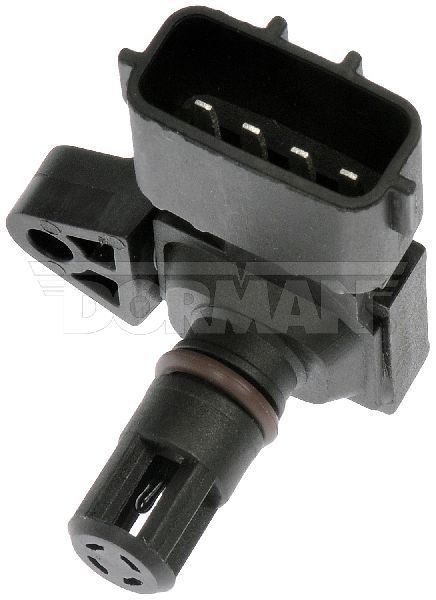
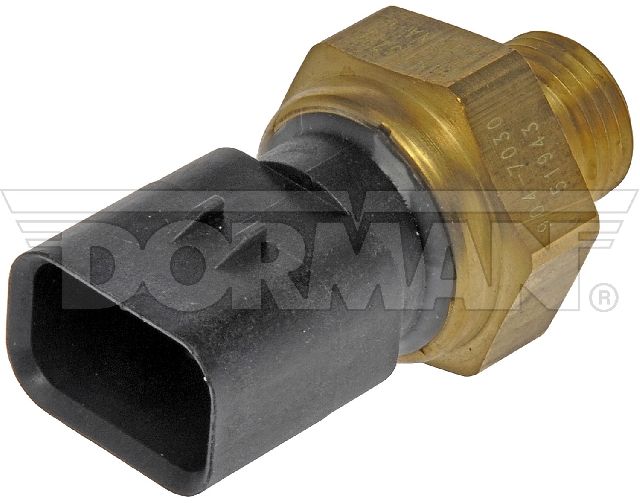
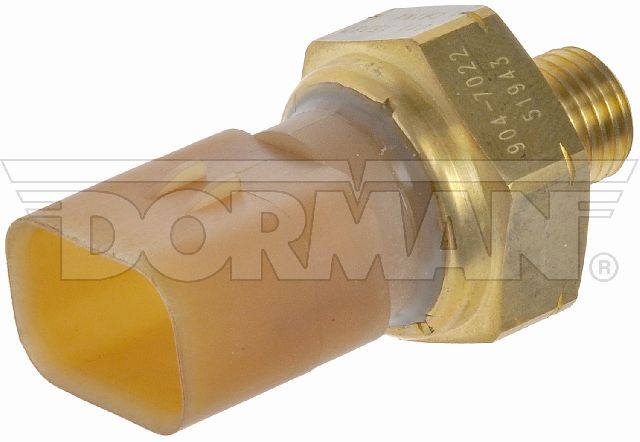
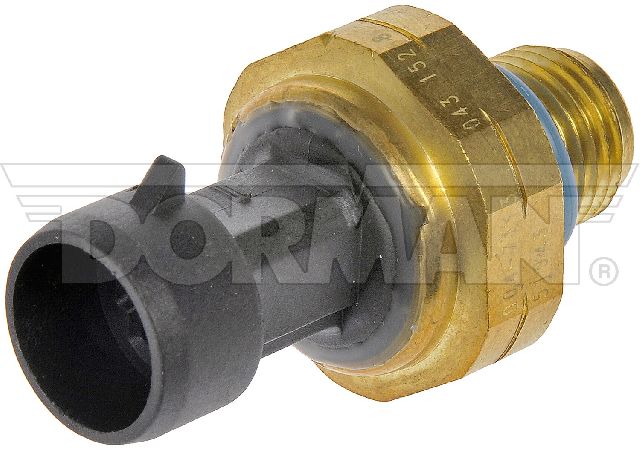
| Standard Aftermarket | Dorman | Dorman is a huge name in aftermarket parts and offers direct-fit replacements. Their quality can be mixed; some parts work perfectly for years, while others may have fitment or longevity issues. It's a good middle-ground option if the price is right. |
| Economy | Global Parts, Replacement | These brands represent the most budget-friendly tier. "Replacement" is often a private label for a generic part. Quality can be a gamble, but the low price is attractive for a quick fix or an older truck. Expect basic performance without the extensive testing of premium brands. |
How Much Does a Turbo Boost Sensor Replacement Cost?
The cost depends on whether you do it yourself or hire a shop, and which part you buy. The job is fairly easy for a DIYer.
| Part/Service | Estimated Cost |
|---|---|
| New OEM Part | $65 - $175 |
| New Aftermarket Part | $26 - $249 |
| Shop Labor | $100 - $220 |
| Total (Shop Repair) | $126 - $469 |
Pro Tip: Since the labor to replace the sensor is quick (often less than an hour), spending a little more on a quality part from a brand like Standard Ignition can prevent you from having to do the job again soon.
Frequently Asked Questions
Can I drive with a bad turbo boost sensor?
You can, but it's not recommended for long. Your truck will have low power, poor fuel economy, and may produce a lot of smoke. If the truck enters limp mode, your speed will be severely limited, which can be unsafe.
Where is the boost sensor located on my 4900FA?
The sensor is almost always screwed into the intake manifold, after the turbocharger and charge air cooler. Its exact location will vary depending on if you have a Detroit, Cat, or Cummins engine, but it will have a wire connector and is usually held in by one or two small bolts.
Can I just clean my boost sensor?
You can try cleaning the sensor and the port it sits in, as soot buildup is a common issue. However, many mechanics warn against using harsh chemical cleaners, as the liquid can damage the internal electronics of the sensor. If cleaning doesn't work, a replacement is necessary.
Is there a recall on the boost sensor for my truck?
No, there are no specific recalls from the NHTSA for the turbocharger boost sensor on the 2002-2010 Western Star 4900FA.
Technical Specifications
OEM Part Numbers: 23522322 23527829 2746718 2490096 2897334 4921324
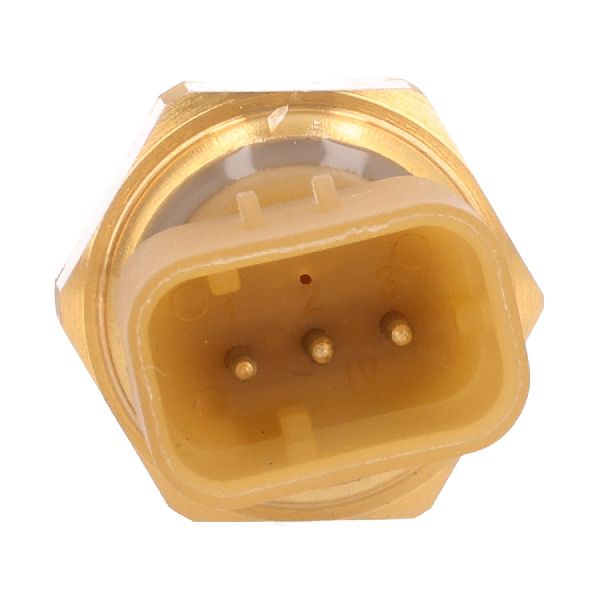
The specific sensor depends on the engine (Detroit Diesel, Caterpillar, Cummins). It is typically a 3 or 4-pin sensor that mounts directly to the intake manifold. Always verify the part number with your engine serial number before ordering.
We Have This Part in Stock


The information in this article is provided for general reference and educational purposes only. Vehicle specifications, procedures, and part compatibility can vary by production date, trim level, and region. Always consult your vehicle's factory service manual and verify part numbers before purchasing or performing repairs. Safety-critical components such as airbags, seat belts, and braking systems should be installed by a qualified professional.
- Western Star 4900FA: