

Toyota 4Runner Serpentine Belt Replacement Guide (2002-2010)
A worn serpentine belt can sideline your 4Runner; learn how to spot the signs of failure and choose the right replacement part.
- Inspect your serpentine belt for cracks and fraying at every oil change.
- A squealing noise doesn't just mean a bad belt; it often points to a failing belt tensioner, which should be replaced with the belt.
- The 4.0L V6 and 4.7L V8 engines require different belts; ensure you buy the correct part for your 4Runner.
- Premium aftermarket brands like Gates, Continental, and Dayco offer excellent quality and are a reliable alternative to more expensive OEM parts.
Is Your 4Runner's Serpentine Belt Failing?

A serpentine belt should last between 50,000 and 100,000 miles, but it's important to inspect it regularly. A failing belt gives clear warning signs. Ignoring them can lead to a breakdown, potentially leaving you stranded. Pay attention to these symptoms to know when it's time for a replacement.
Don't Confuse the Serpentine Belt with the Timing Belt
The 4.7L V8 engine in the 4th Gen 4Runner has both a serpentine belt and a timing belt. The serpentine belt runs accessories on the outside of the engine, while the timing belt is internal and keeps the engine's valves opening and closing at the right time. The 4.0L V6 engine uses a timing chain, not a belt, which is designed to last the life of the engine.
Symptoms of a Bad Serpentine Belt


- Squealing or Chirping Noises: This is the most common sign. A high-pitched squeal from the engine, especially on cold starts or when turning the steering wheel, often means the belt is slipping.
- Visible Wear and Tear: Look at the belt. If you see cracks, fraying, missing chunks, or a glazed, shiny appearance on the ribbed side, it needs to be replaced immediately.
- Accessory Problems: If your power steering feels heavy, your A/C isn't blowing cold, or your battery light comes on, the belt may be slipping or broken.
- Engine Overheating: The serpentine belt drives the water pump. If the belt fails, the pump stops circulating coolant, causing the engine to overheat quickly.
Known Issues for the 2002-2010 Toyota 4Runner

No recalls or Technical Service Bulletins (TSBs) have been issued by Toyota or the NHTSA specifically for serpentine belt failure on the 2002-2010 4Runner. However, a noisy or failing belt is often a symptom of another problem. The automatic belt tensioner is a common failure point. This spring-loaded part keeps the belt tight. When it wears out, it can't maintain proper tension, causing noise and premature belt wear. If you hear a squealing or grinding noise, it's critical to inspect the tensioner and idler pulleys when you replace the belt.
Choosing the Right Aftermarket Serpentine Belt

While you can always buy a belt from a Toyota dealership, high-quality aftermarket brands offer similar performance for less money. The original factory belt is often made by a brand like Bando or Mitsuboshi. Aftermarket brands are a reliable and cost-effective alternative.
Aftermarket Brand Tiers
- Premium Brands ($30 - $72): Brands like Gates, Continental, and INA are well-regarded in the industry. They use high-quality materials (like EPDM rubber) that resist cracking and wear. Many professional mechanics trust these brands for their durability and quiet operation. The Continental Elite series, formerly known as the Goodyear Gatorback, was a popular choice for its unique design that helps reduce noise.
- Standard, OEM-Equivalent Brands ($15 - $40): Dayco and Bando are considered strong, reliable choices that often meet or exceed original equipment specifications. They provide a great balance of quality and value for daily driving.
- Economy Brands ($7 - $25): Brands like Skyward are budget-friendly options. While they will get the job done, they may not have the same longevity or noise-reducing features as premium brands. These are best for situations where cost is the primary concern.
Pro Tip: Replace the Tensioner and Pulleys
Since the belt tensioner and idler pulleys wear out at a similar rate to the belt, it's highly recommended to replace them at the same time. Many brands sell kits that include the belt, tensioner, and pulleys. This can prevent you from having to do the same job twice and ensures the entire drive system is reliable.
Cost of Replacing a 4Runner Serpentine Belt
| Part Type | Estimated Cost |
|---|---|
| New Aftermarket Serpentine Belt | $7.74 - $71.74 |
| New OEM Serpentine Belt | $45 - $75 |
| Shop Labor | $75 - $150 |
| Total Professional Replacement (Aftermarket) | $85 - $225 |
Frequently Asked Questions (FAQ)
When should I replace my 4Runner's serpentine belt?
Toyota recommends inspecting the belt starting at 60,000 miles and every 15,000 miles after that. While there is no set replacement interval, most belts last between 60,000 and 100,000 miles. Replace it as soon as you see signs of wear like cracks or fraying, or hear persistent squealing.
Is a squealing noise always a bad belt?
Not always. While a worn belt is a common cause, the noise can also come from a weak tensioner that isn't keeping the belt tight enough. It can also be caused by a failing bearing in an accessory pulley, like the alternator or water pump. A simple test is to spray a small amount of water on the belt's ribbed side while the engine is running; if the noise stops temporarily, the belt itself is likely the problem.
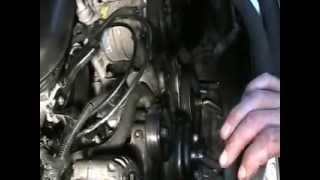
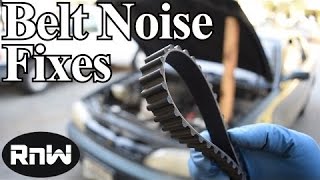
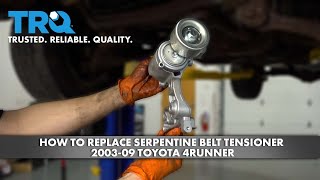
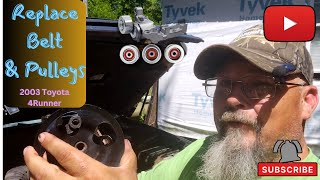
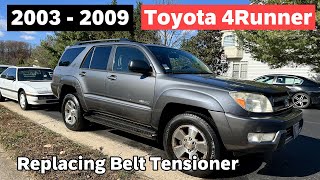
🎬 Watch this guide to diagnose and fix engine squealing noises.What is the difference between the V6 and V8 serpentine belts?
The 4.0L V6 and 4.7L V8 engines use different length serpentine belts and have different pulley layouts. You must purchase the correct belt for your specific engine. The V8 engine also has a separate timing belt that needs periodic replacement, while the V6 has a maintenance-free timing chain.
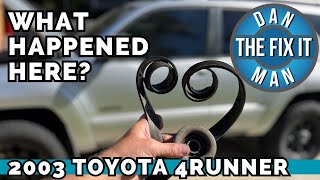
🎬 See a step-by-step serpentine belt replacement for the V6 engine.Can I replace the serpentine belt myself?
Yes, this is a DIY-friendly job for many owners. The process involves using a 14mm wrench or breaker bar to release the automatic tensioner, slipping the old belt off, routing the new one according to the diagram (usually found on a sticker under the hood), and reapplying tension. The main challenge can be weaving the belt around the engine's cooling fan.
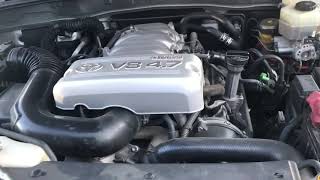
🎬 Watch how to remove the belt and inspect V8 pulleys.Helpful Videos




Technical Specifications
OEM Part Numbers: 90916-A2015 99367H2150 90916-02571 99367-H2120
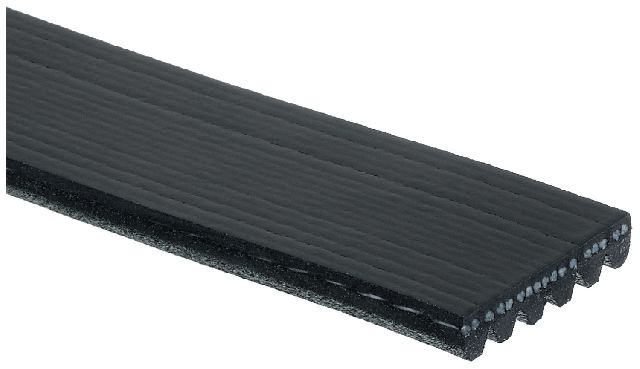
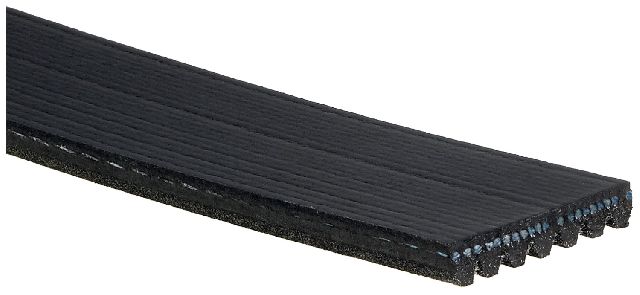
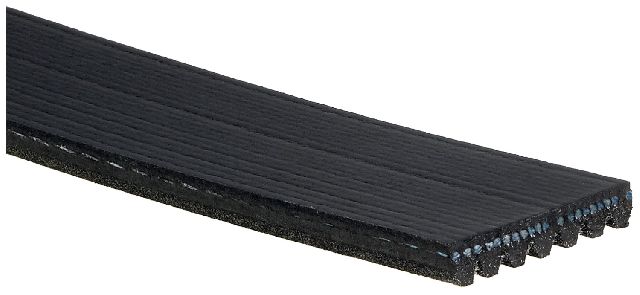
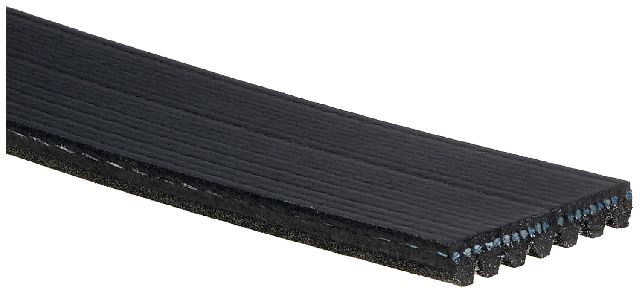
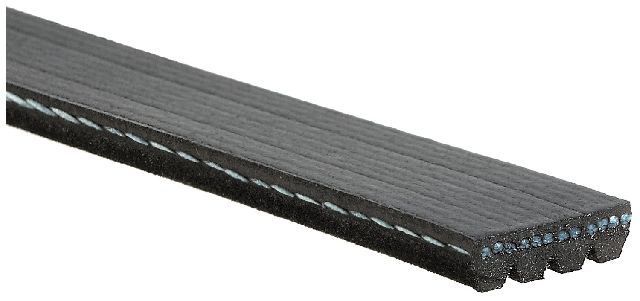
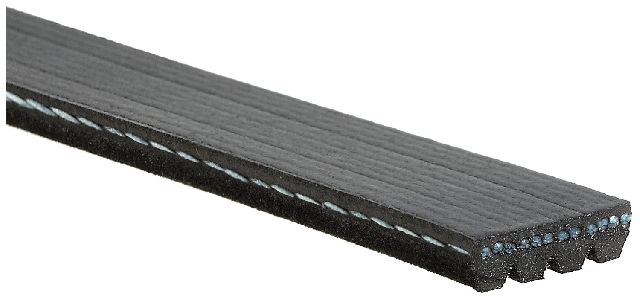
The 4th Gen 4Runner uses a multi-ribbed (poly-v) serpentine belt. The specific length and number of ribs differ between the 4.0L V6 (1GR-FE) and 4.7L V8 (2UZ-FE) engines. Always verify the part number for your specific engine and model year.
We Have This Part in Stock

The information in this article is provided for general reference and educational purposes only. Vehicle specifications, procedures, and part compatibility can vary by production date, trim level, and region. Always consult your vehicle's factory service manual and verify part numbers before purchasing or performing repairs. Safety-critical components such as airbags, seat belts, and braking systems should be installed by a qualified professional.
- Toyota 4Runner: