

Ford Explorer Engine Cylinder Head Temperature (CHT) Sensor: A Vehicle-Specific Guide (2002-2010)
Understand the critical role of the CHT sensor in your 2002-2010 Ford Explorer and how to choose the right replacement part.
- A bad CHT sensor can trigger a P1299 code and put your Explorer in a protective 'limp mode' or shut the engine off completely.
- For this critical part, using an OEM (Motorcraft) or a top-tier aftermarket brand like Standard Ignition is strongly recommended for reliability.
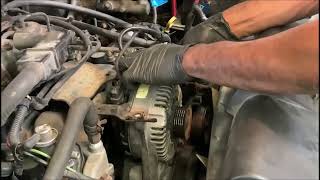
- On 4.6L V8 models, replacing the sensor requires removing the alternator to access it on the cylinder head.
- Before replacing the sensor, confirm your engine isn't actually overheating due to a separate cooling system issue like low coolant or a bad thermostat.
Understanding the CHT Sensor in Your Explorer

Many Ford Explorer owners get confused between an Engine Coolant Temperature (ECT) sensor and a Cylinder Head Temperature (CHT) sensor. While some vehicles have both, the CHT sensor is the primary input for the engine computer on many 2002-2010 models, especially for triggering the protective fail-safe mode. It reads the actual temperature of the head, which is a more direct way to know if the engine is in danger of overheating. A false signal from a bad CHT sensor can trick the computer into thinking the engine is overheating when it's perfectly fine, causing significant performance issues.
Symptoms of a Failing CHT Sensor

A bad CHT sensor can cause a variety of problems, ranging from annoying to severe. Here are the most common signs:
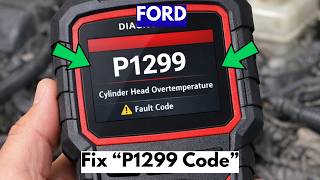
- Check Engine Light: This is often the first sign. Common trouble codes include P1289 (CHT Sensor High Input) and P1299 (Cylinder Head Overtemperature Protection Active). 🎬 Watch: Understanding the P1299 code and its causes
- Engine Overheating or Limp Mode: The engine may actually overheat, or the faulty sensor may trigger the 'Engine Coolant Overtemperature' warning and put the vehicle into a reduced power 'limp mode' even when the engine temperature is normal.
- Erratic Temperature Gauge: The gauge on your dashboard might swing from cold to hot, or not move at all.
- Poor Engine Performance: You may notice reduced power, poor acceleration, and decreased fuel economy as the computer struggles with incorrect temperature data.
- Hard Starting: The engine may take longer to crank and start, especially when cold.
- Cooling Fans Run Incorrectly: The radiator fans might run all the time, or not turn on when they should, leading to overheating in traffic.
Is the Engine Actually Overheating?
Before replacing the sensor, it's crucial to determine if the P1299 code is due to a faulty sensor or a genuine overheating condition. Check your coolant level and look for leaks. If the engine is not physically hot but the gauge says it is, the sensor is the likely culprit. If the engine is truly overheating, you may have a different problem like a bad thermostat, water pump, or clogged radiator.
Choosing the Right Aftermarket CHT Sensor

For a sensor this critical to engine health, part quality matters. While saving money is tempting, a cheap, low-quality sensor can fail prematurely, leaving you stranded or causing the same problems all over again.
- Top Tier (OEM/Premium): The original Motorcraft part is widely recommended by mechanics for reliability. Aftermarket brands like Standard Ignition (SMP) and Walker Products are well-known, but forum discussions indicate that for this specific part, sticking with OEM is often the safest bet to avoid issues.
- Mid & Budget Tier: Brands like Facet, Global Parts, Holstein, and Motorad offer a more affordable option. These can be a viable choice if budget is the primary concern, but be aware that the lifespan and accuracy may not match an OEM part. For a sensor that can shut your engine down, investing in a higher-quality part is a wise decision.
Cost to Replace a 2002-2010 Explorer CHT Sensor

| Part Type | Estimated Cost |
|---|---|
| New Aftermarket Sensor | $14.84 - $38.89 |
| New OEM (Motorcraft) Sensor | $40 - $75 |
| Shop Labor | $120 - $250 |
Cost estimates are approximate and can vary by location and vehicle engine type.
Installation Varies by Engine
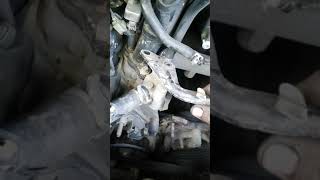
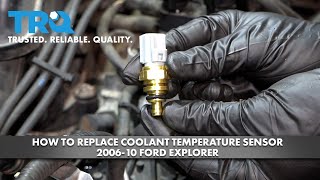
The location and difficulty of this job depend on which engine your Explorer has. On the 4.6L V8, the CHT sensor is located under the intake manifold on the driver's side cylinder head, just behind the alternator. You will need to remove the alternator to gain access, making it a more involved job. On the 4.0L V6, some models have a more accessible sensor on the thermostat housing, which is a much simpler replacement. 🎬 See this step-by-step CHT sensor replacement walkthrough Always confirm the location on your specific engine before beginning work.
Frequently Asked Questions (FAQ)
Can I drive my Explorer with a bad CHT sensor?
It is not recommended. A faulty CHT sensor can cause the engine to shut down unexpectedly while driving or fail to protect it during a real overheating event, leading to severe engine damage.
Where is the CHT sensor located?
On 4.6L V8 engines, it is in the driver's side cylinder head, behind the alternator. On 4.0L V6 engines, it is often located on the thermostat housing at the front of the engine. Always verify for your specific vehicle.
What's the difference between a CHT and an ECT sensor?
A CHT (Cylinder Head Temperature) sensor measures the temperature of the engine's metal head. An ECT (Engine Coolant Temperature) sensor measures the temperature of the coolant fluid. The CHT provides a failsafe reading even if all coolant is lost.
Do I need a special tool to replace the CHT sensor?
Usually, a deep socket (often 19mm or 3/4") or a wrench is all that's needed for the sensor itself. However, accessing it on the V8 engine requires standard mechanic's tools to remove the alternator first.
Helpful Videos


Technical Specifications
OEM Part Numbers: XL3Z-6G004-AA
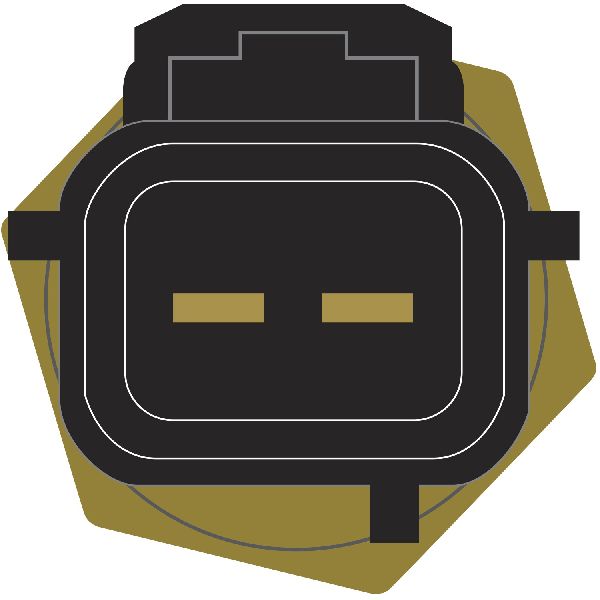
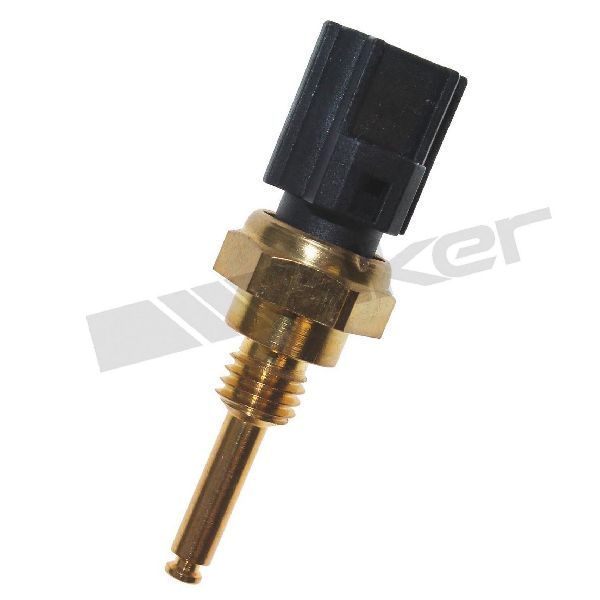
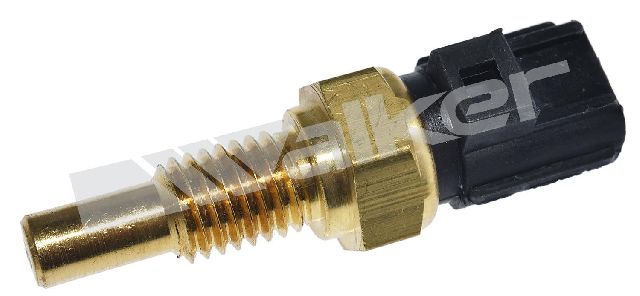
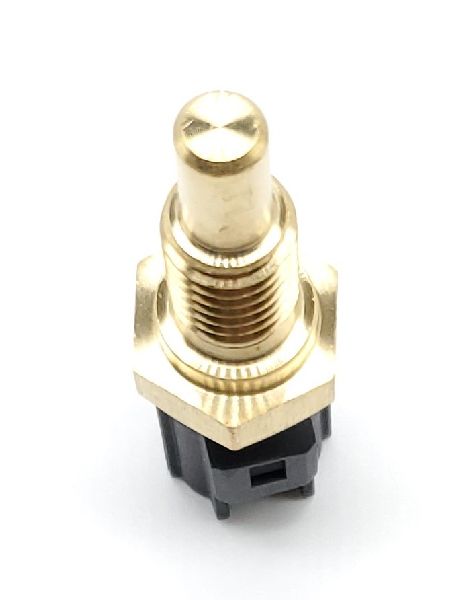
The CHT sensor is a thermistor, which is a resistor that changes its electrical resistance based on temperature. It is installed in a dry port on the cylinder head and typically has a 2-wire electrical connector.
We Have This Part in Stock


The information in this article is provided for general reference and educational purposes only. Vehicle specifications, procedures, and part compatibility can vary by production date, trim level, and region. Always consult your vehicle's factory service manual and verify part numbers before purchasing or performing repairs. Safety-critical components such as airbags, seat belts, and braking systems should be installed by a qualified professional.
- Ford Explorer: